THE QUARTERLY
[ CONVERSATION ]
A slow correspondence on seeing
Welcome
Hello...
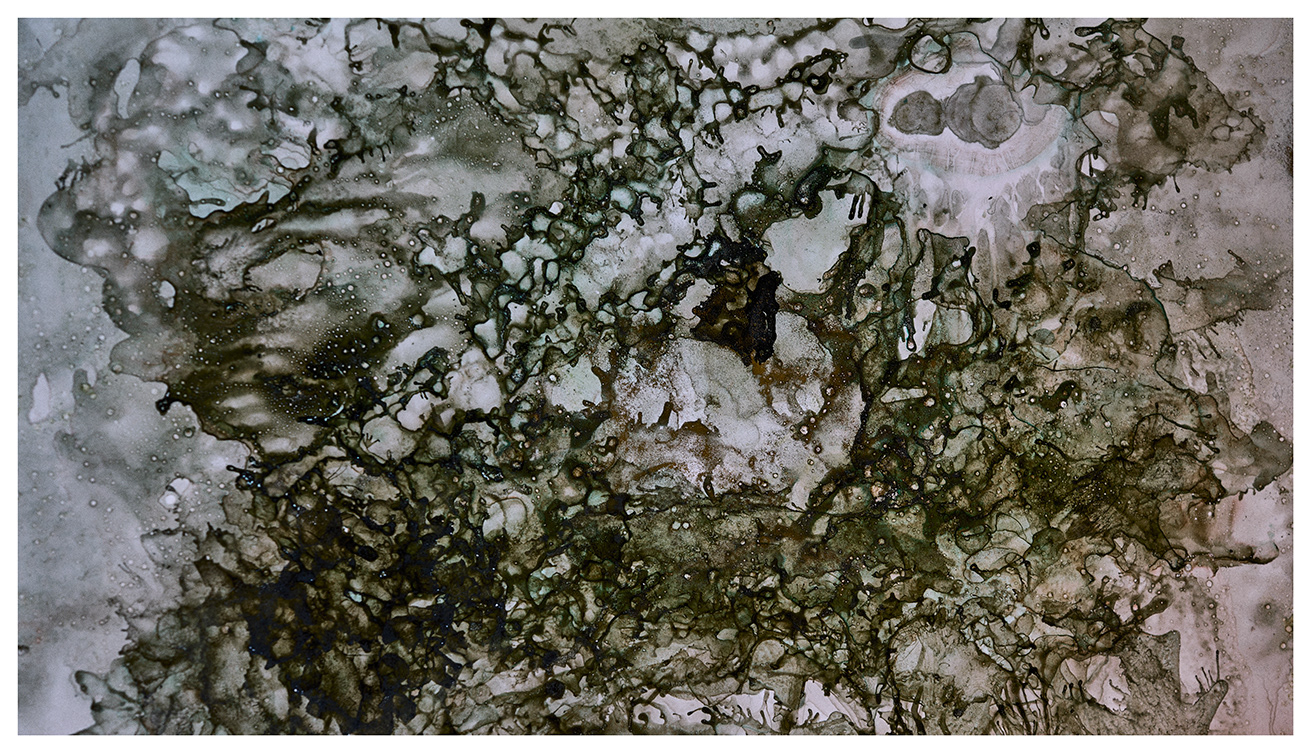
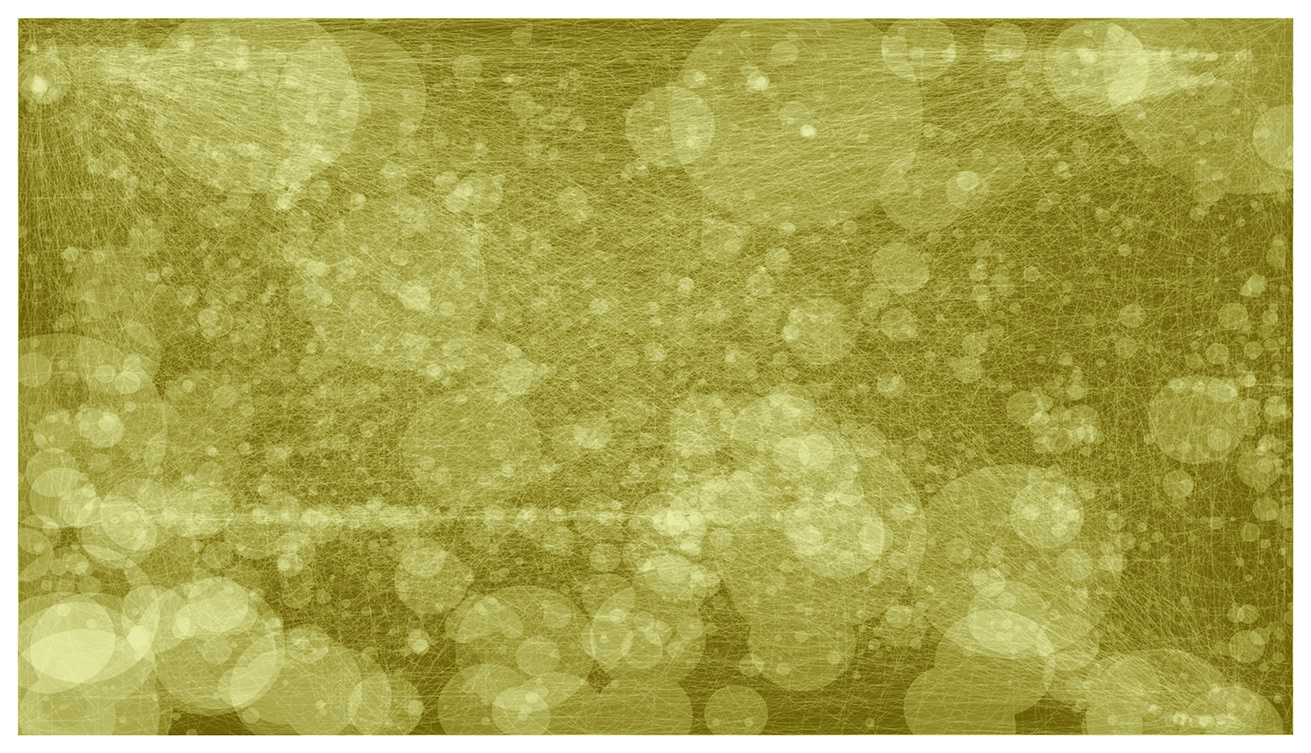
The image above is one I created from JavaScript that mapped my mouse movements as I worked on the computer while chatting online.
We all do it.
I thought it would be a good icebreaker, since I don't know who is reading this, where you are now or what you do.
So, after an age of procrastination, this is my first newsletter. I plan to do this on a quarterly basis, and yes, there may be links to new works that I have made and to my art website, with one or two 'Echoes' about related themes a couple of times between issues.
Mainly though, it's about me letting the world know how I think, what I think about and taking the time to slow down and have a conversation, albeit virtual, about things I think are worth chatting about.
So without further ado, let's have a long chat about some stuff.
Kind Regards, Stephen.
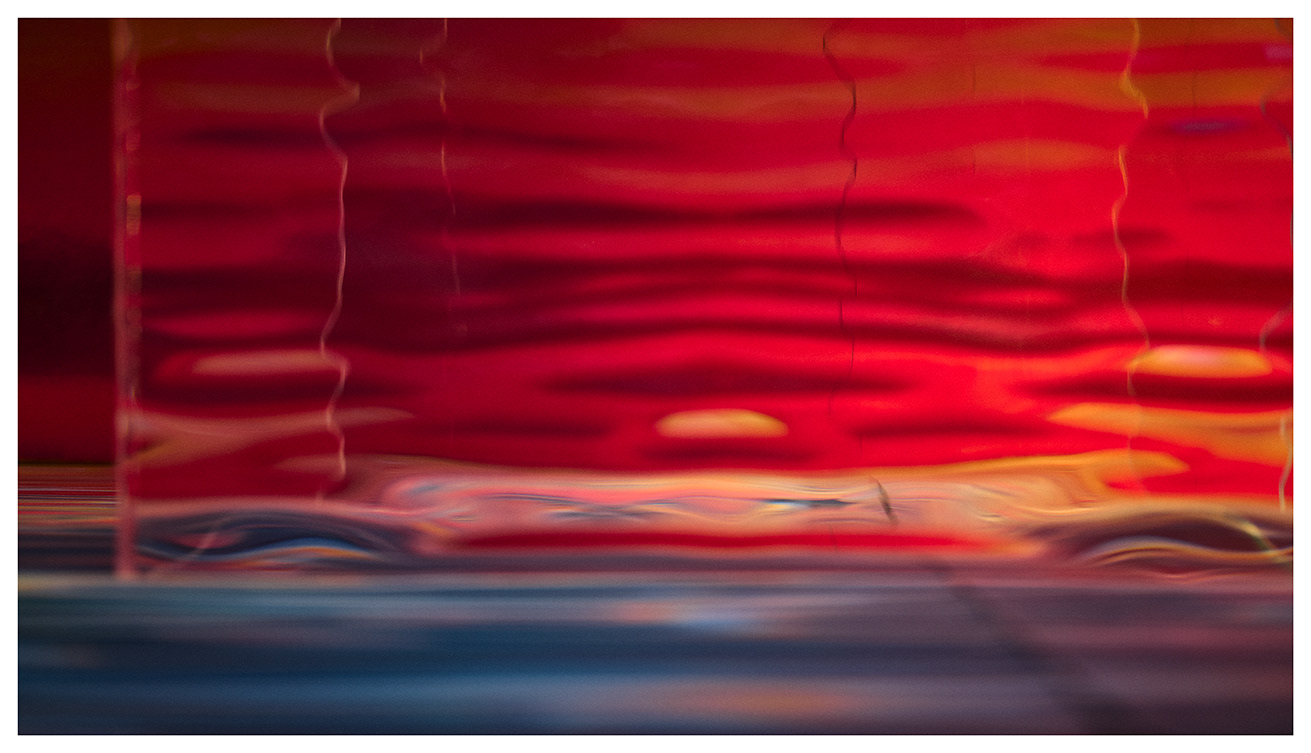
Street Reflections No. 4 (2021) by Stephen Lambeth.
Some Ideas About Glass
Glass fascinates me. From its reflectivity and transparency to its ability to transcend time. Some of the oldest artifacts I own are Roman glass fragments. For nearly 900 years, Chartres Cathedral has glowed with a blue no modern lab can perfectly reproduce. Known as Chartres Blue, this stained glass was created using a lost medieval process involving cobalt, mineral ratios, and precise furnace control and the glass shimmers like liquid sapphires. Scientists understand the ingredients, but not the exact method. It’s a reminder that not all progress moves forward.
It shields and protects while letting us view the world. It provides a sense of wonder when light strikes at just the right angle, casting rainbows on the surfaces it protects. All this from grains of sand. Yet for all its apparent stability, glass moves. If you look at the stained glass windows of Cathedrals, the glass is thicker at the bottom because gravity pulls it down due to its vitreous nature.
As John Mauro, a materials scientist at Penn State, notes in an interview for Live Science,
"It's neither a true liquid nor a true solid — it has properties of both, but it's its own distinct state of matter.... The technical definition is that glass is a nonequilibrium, noncrystalline state of matter that appears solid on a short timescale but continuously relaxes towards the liquid state."
I find this amazing, and for this reason, I thought 'Glass" was a good place to start for 'The Quarterly Conversation'
To start off, I thought I'd introduce photographic works about glass and a photographer who was innovative in how they utilised glass in their images. Jessica Eaton's latest works from her series 'Time on a Bottle' are just stunning. The conceptual thinking behind all her works is brilliant.
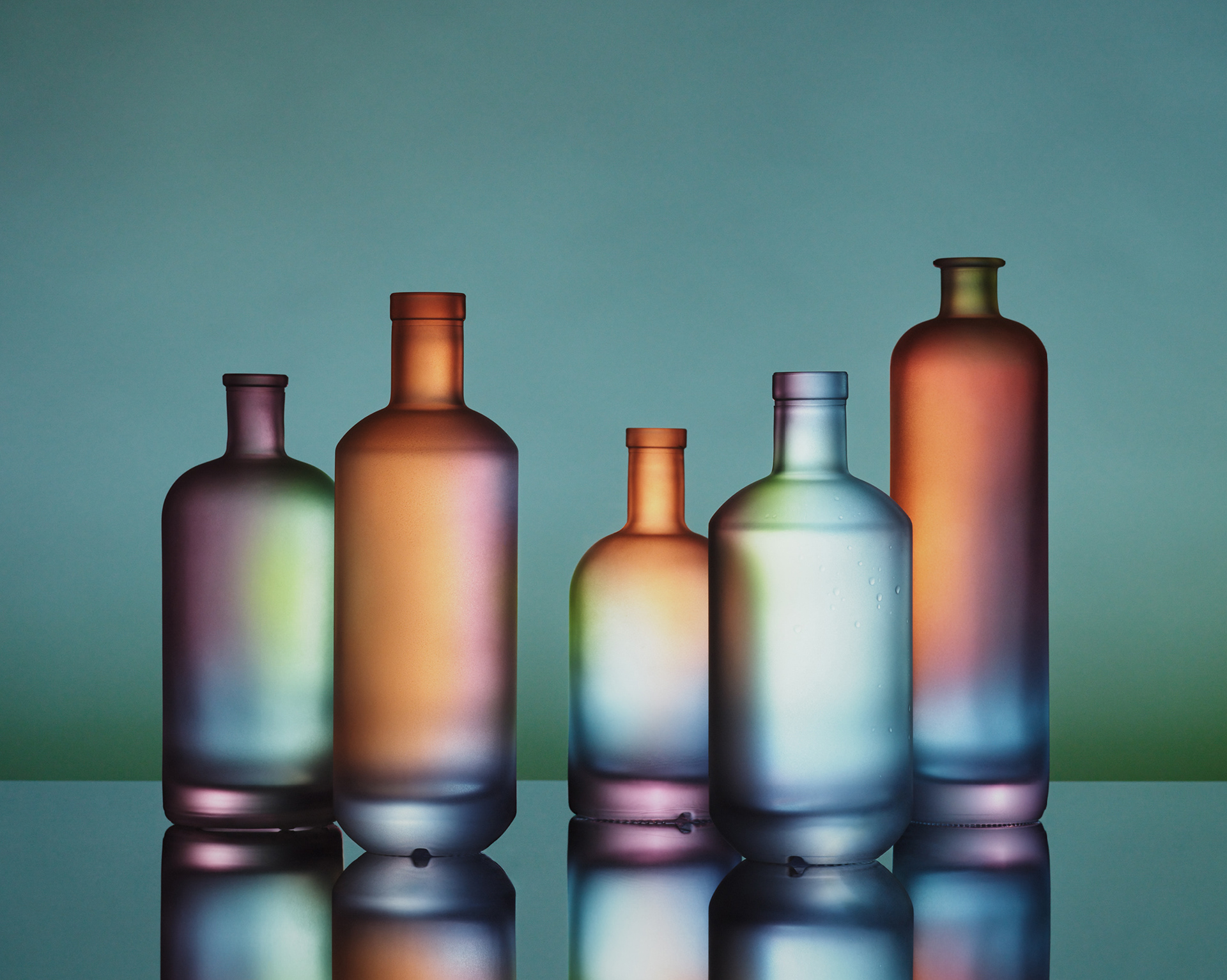
Natura Morta (Luce Danzante) 42, (2022) by Jessica Eaton.
The other artist is Saul Leiter, and his work is very poetic. I would be honoured to be half as talented as he was in shooting and capturing the world around him. Leiter's work significantly impacted the field of photography by pioneering the use of colour in a medium that was predominantly black-and-white at the time, influencing future generations of photographers. His unique approach to capturing everyday scenes with painterly qualities has inspired artists and filmmakers and contributed to a broader appreciation of colour photography as an art form.
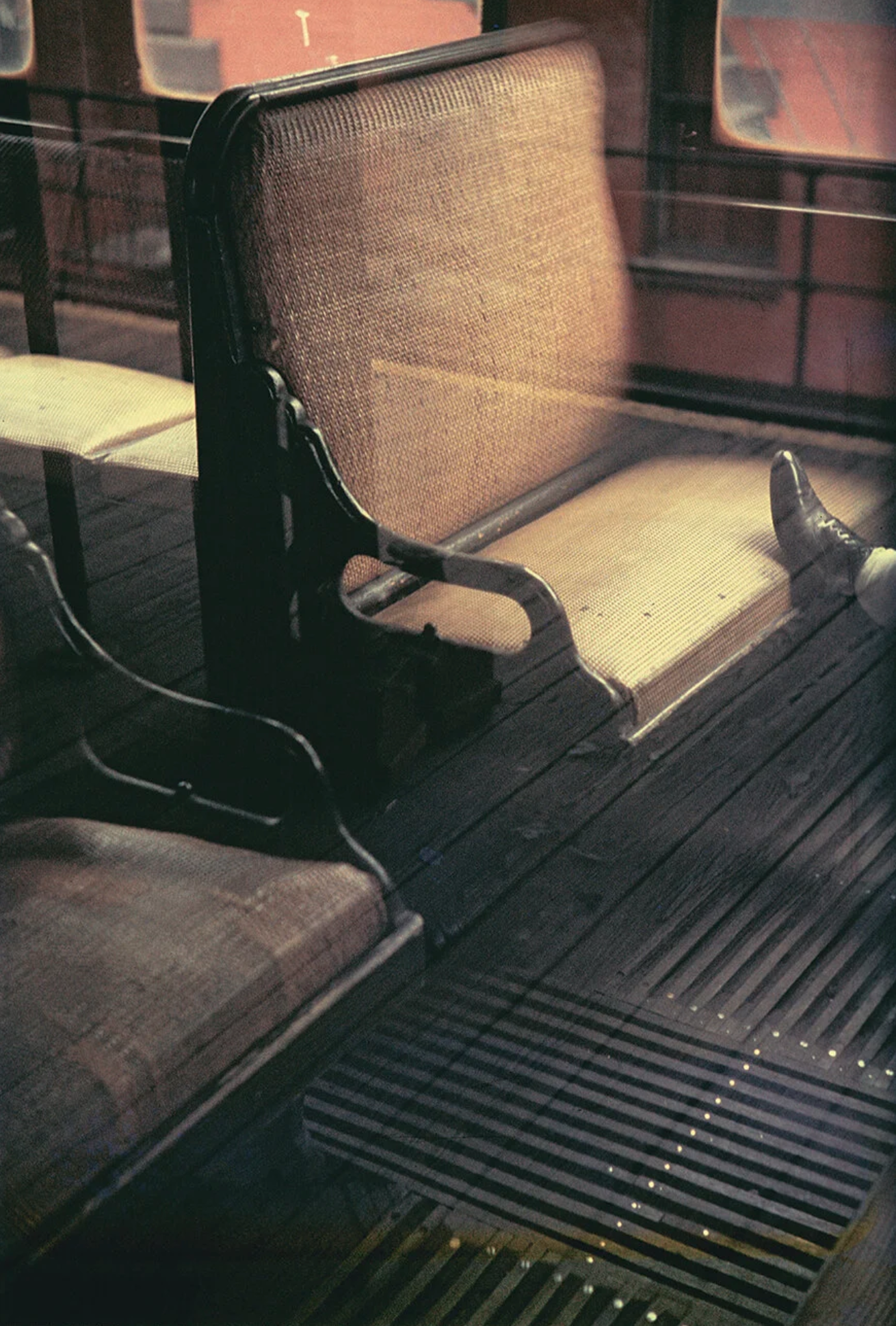
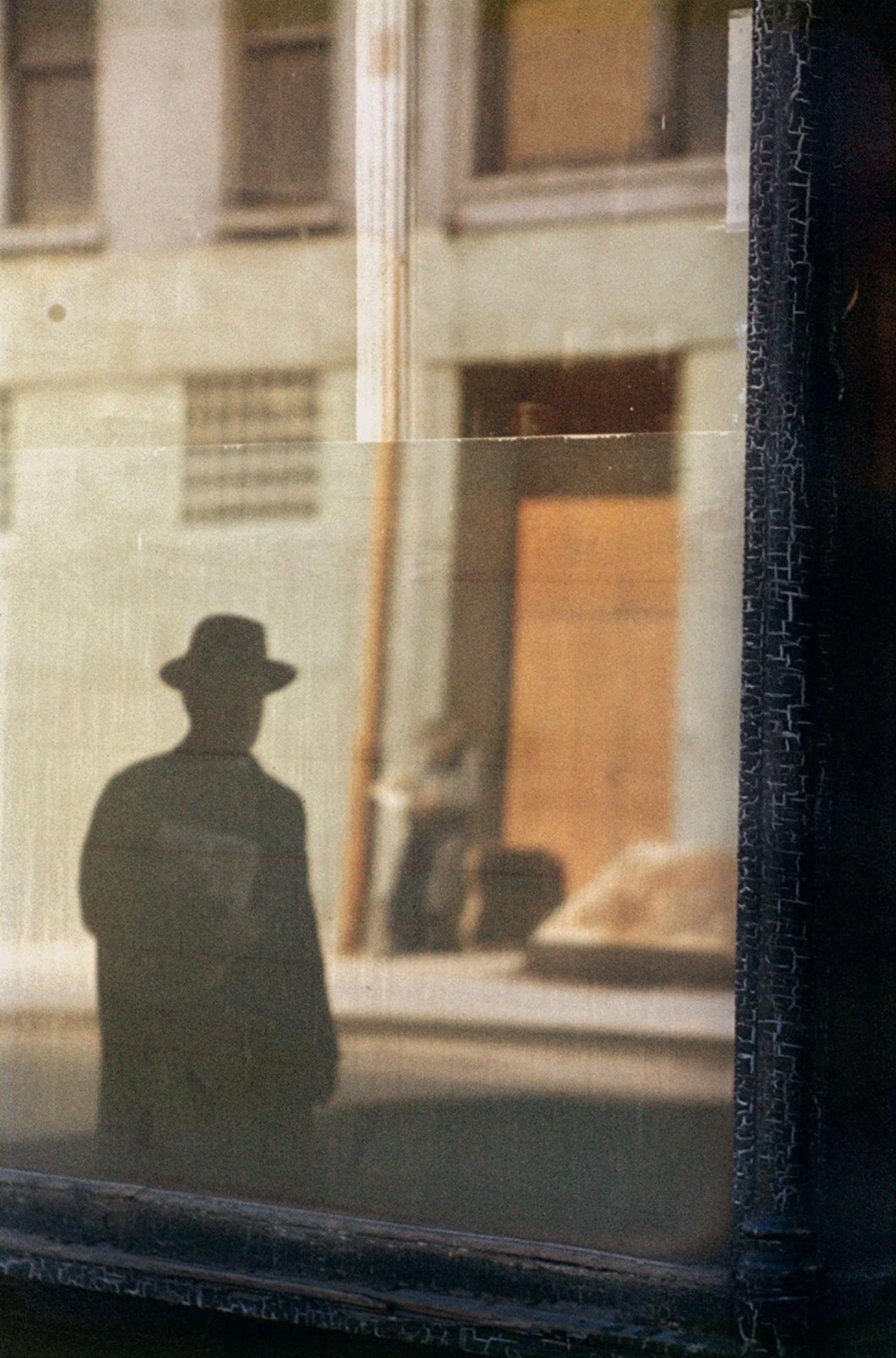
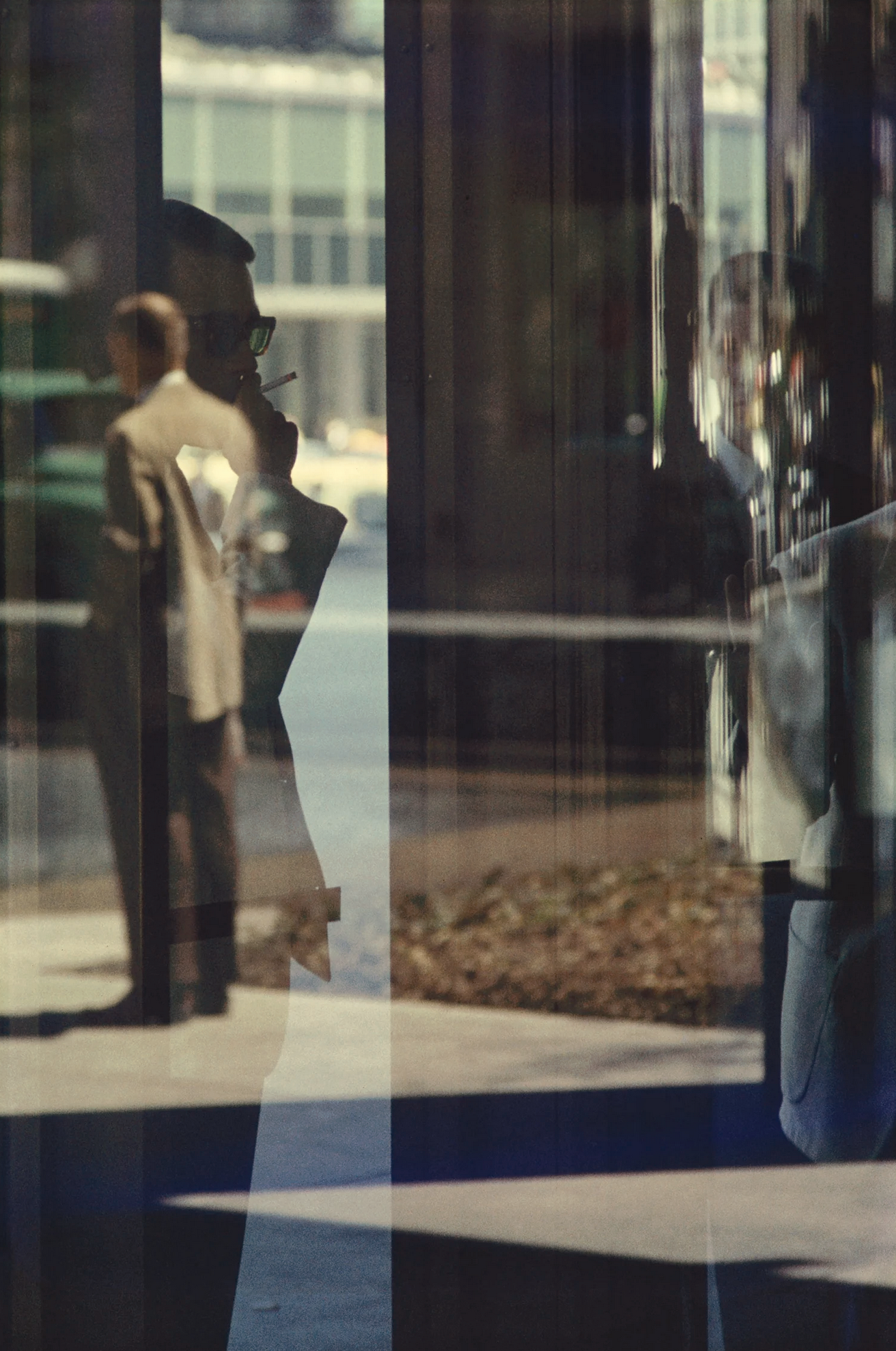
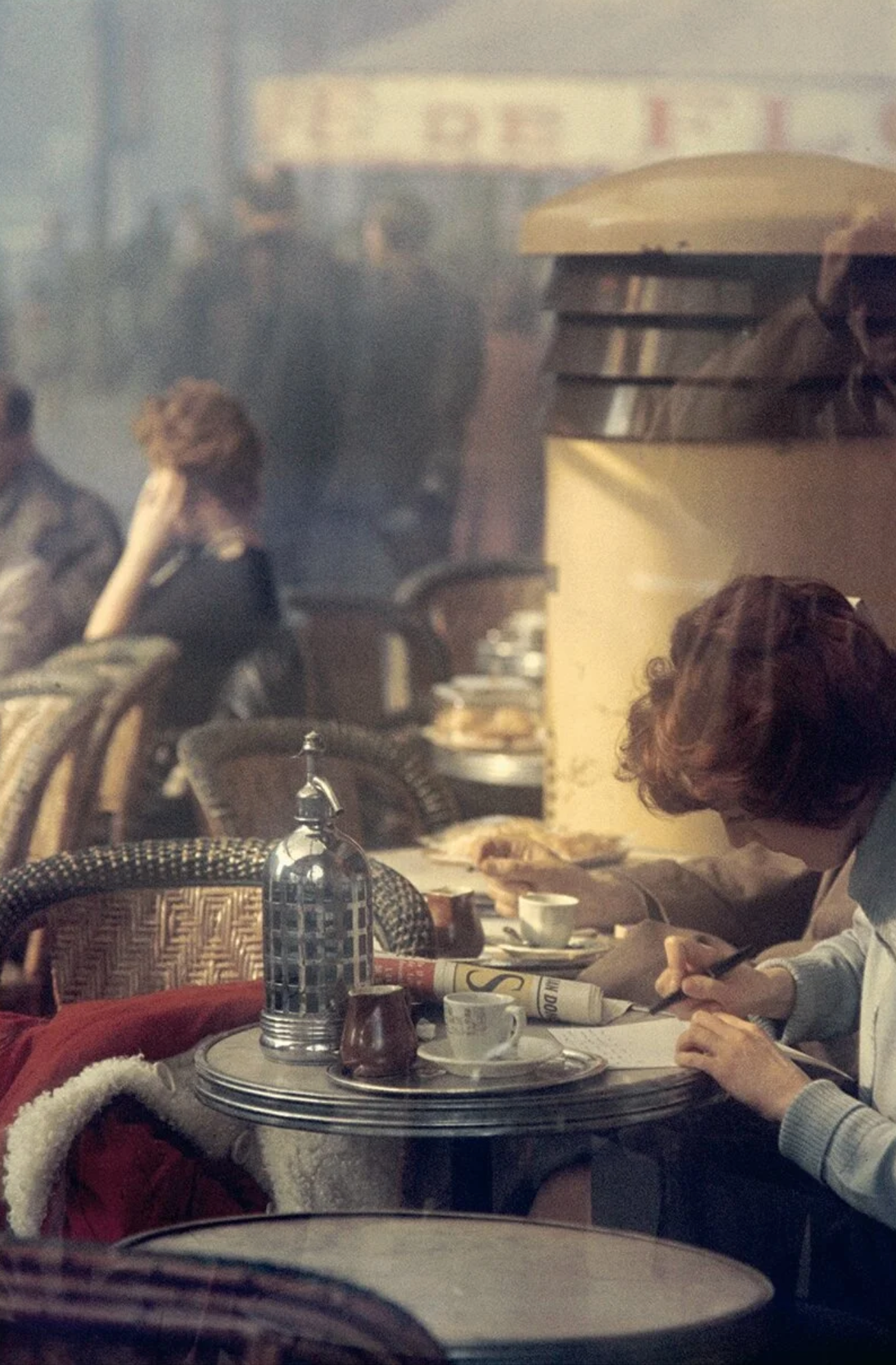
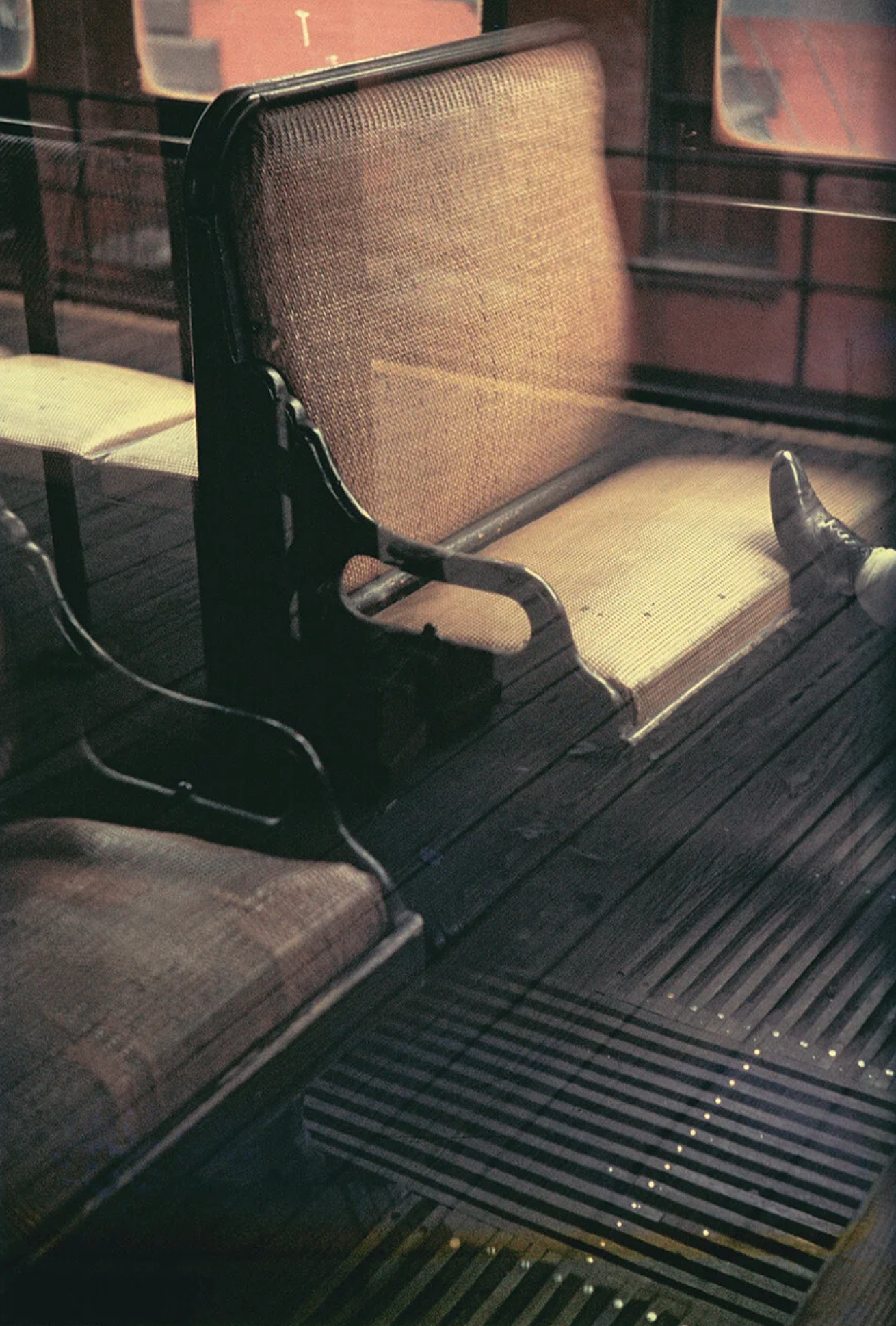
Foot on El (1954)
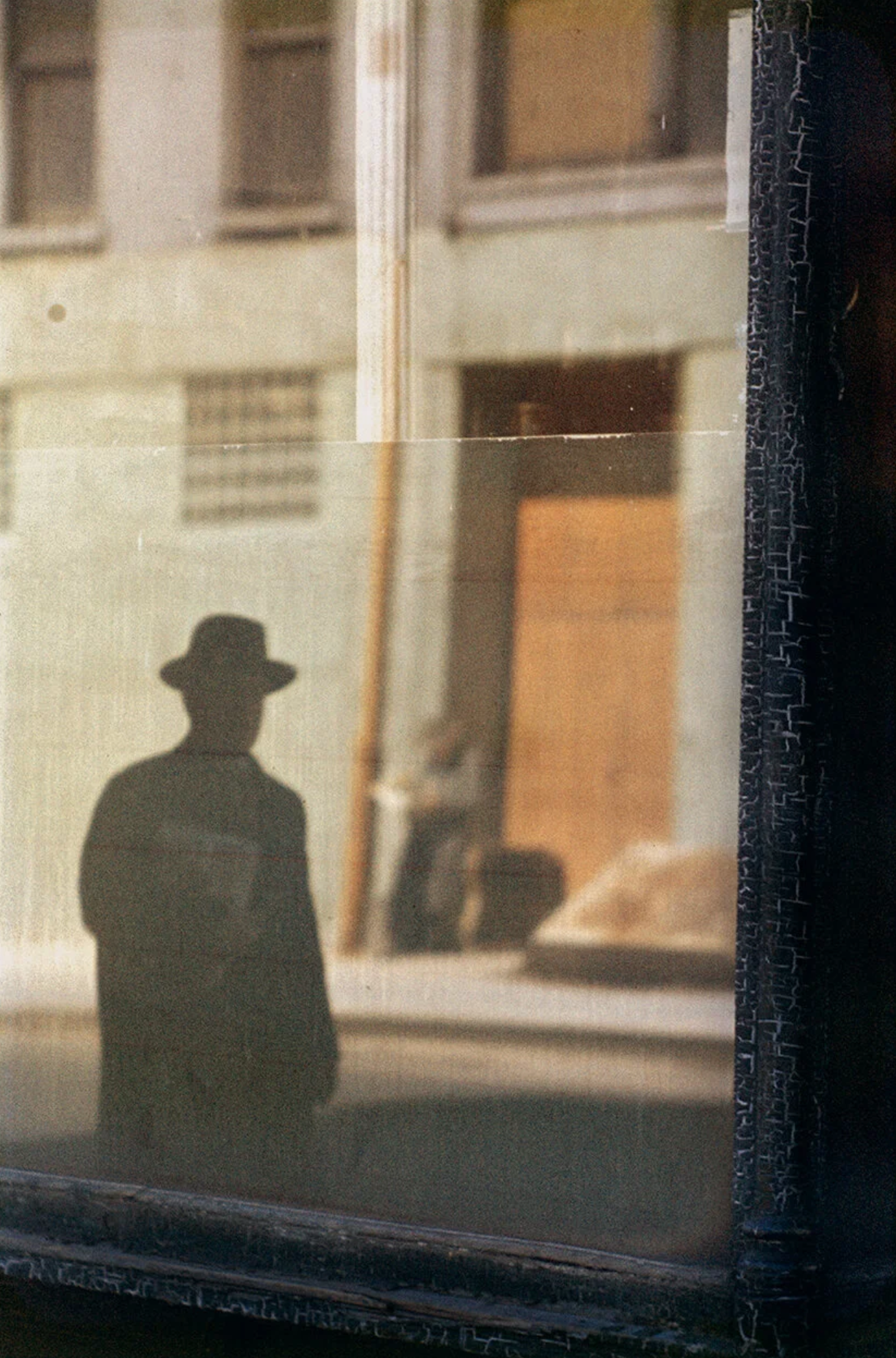
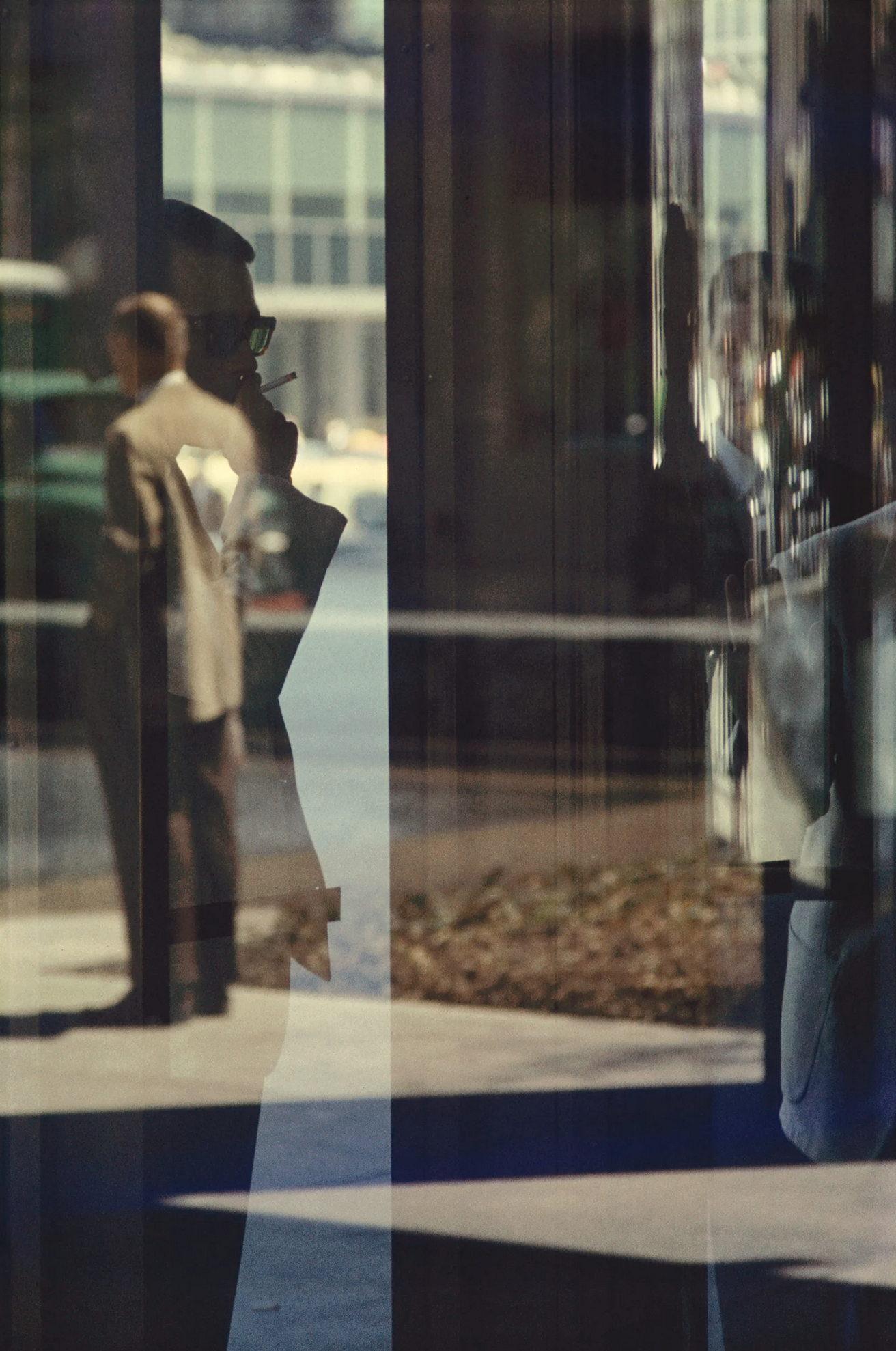
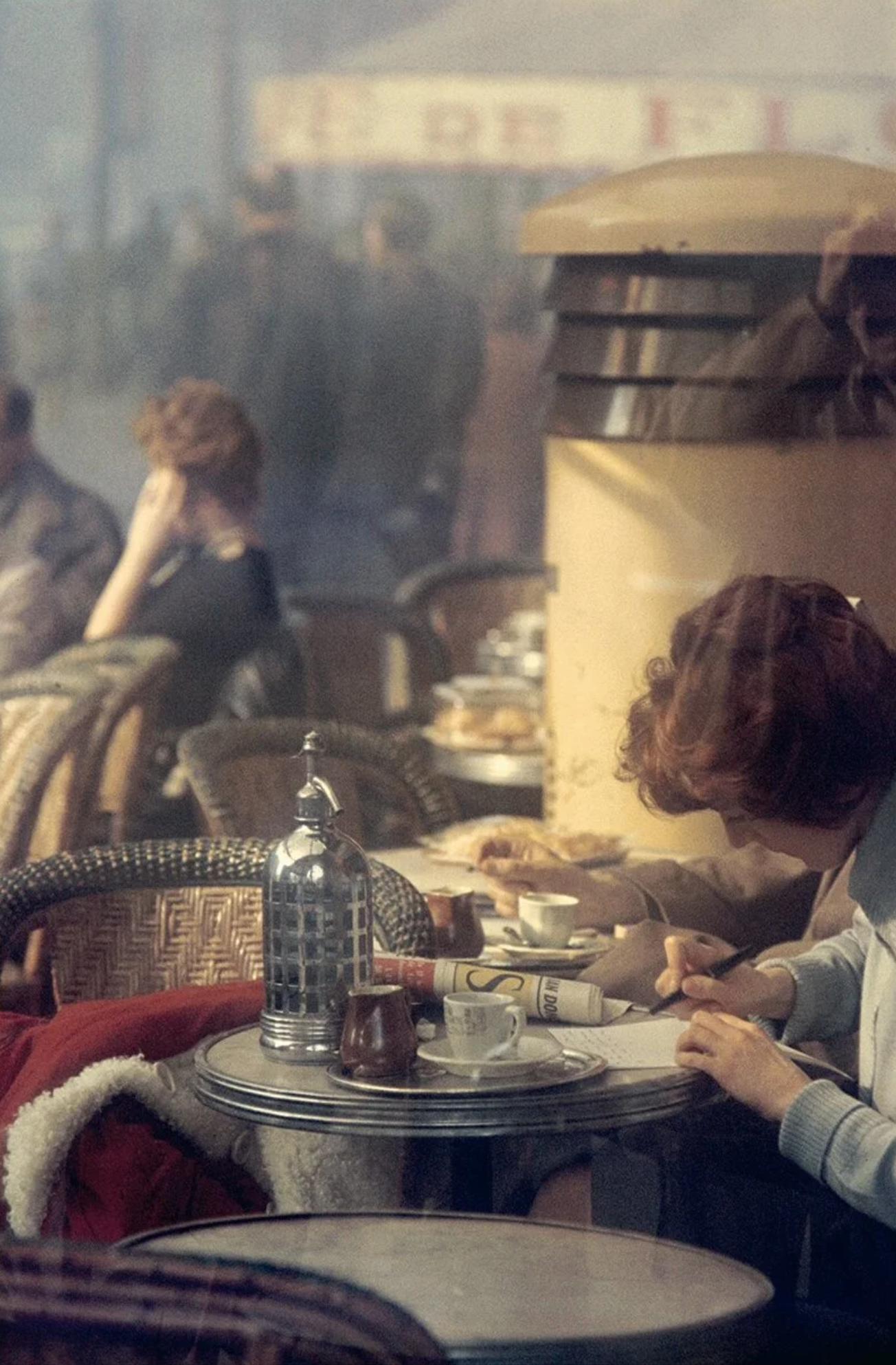
From left to right: Foot on El (1954), Near the Tanager (1954), Untitled & Undated and Paris (1959) by Saul Leiter.
Some of my street photography that captures the essence of Leiter follows the main article below, but my main interest in glass stems from a desire to fuse images/negatives between sheets of glass and cause a reduction burnout, leaving only residual elements, as a way of mapping impermanence. Still researching that!
The result of my research and reading into the philosophical and cultural aspects of glass led to the following conversation...
Glass: A Conversation
Glass as a Cultural Technology: Trust and Distortion
Glass occupies a rare position in human culture. It is one of the most trusted materials, precisely because it appears not to act at all. Transparency has long been confused with truth. To see through something is to believe one has access to what is real, unmediated, and uncorrupted. Yet glass has never been neutral. From its earliest uses, it has fashioned not only what we see, but also how we come to believe.
Historically, glass enabled revolutions in knowledge. Lenses extended human perception beyond the limits of the naked eye. Microscopes revealed cellular worlds. Telescopes displaced humanity from the centre of the heavens. Hans Blumenberg and later Bruno Latour suggest that modernity is inseparable from its instruments of seeing. Knowledge is always produced through an apparatus. Glass was among the first materials to make this apparatus appear invisible. The medium effaced itself from consciousness, even as it profoundly altered our perception.
The invisibility of glass is where trust begins. We learn to believe in it because it does not announce itself. Windows promise access without interference. Vitrines promise protection without distortion. Spectacles promise correction rather than transformation. But glass always bends light. It refracts, filters, thickens, and thins. Even the clearest pane imposes a viewpoint, a boundary, and a framing. What passes through glass is already interpreted.
Walter Benjamin’s reflections on mechanical reproduction resonate here. Just as photography claims objectivity while quietly transforming aura, glass promises immediacy while structuring the experience. Both operate as technologies of belief. We trust what they show us because we are taught not to notice them.
In modern society, this trust has metastasised. Screens, the descendants of glass, mediate nearly every social, political, and emotional exchange. Smartphones and tablets have become ubiquitous. The architectural façades of glass-clad corporate towers now dominate skylines. Transparency has become an aesthetic and ethical value. Governments promise transparency. Corporations design glass headquarters to signal openness. Yet this visual openness often masks opacity. One can see everything and understand very little.
Philosopher Byung-Chul Han critiques this as the “transparency society.” Here, visibility replaces truth and exposure substitutes for understanding. Glass has become a moral metaphor rather than a material reality. The more transparent something appears, the less we question its construction. Distortion is not eliminated. It is merely normalised.
Glass, therefore, acts as a cultural lie we accept, not out of malice, but because it fulfils our wish for an easy truth. Glass, like photography, does not create falsehoods; instead, it filters, conditions and frames reality. Its influence is in how thoroughly this mediation fades from conscious awareness.
Decanters, Bottles, and Ornamental Glass: Slowing Truth Down
If glass broadly structures belief, then decanters and bottles work at a more intimate scale. They shape how we comprehend time, quality, and authenticity. Unlike windows or screens, they do not promise immediacy. Instead, they require us to wait.
The decanter is a device of patience. Its historical purpose was to separate wine from sediment and allow for controlled oxidation. This reveals a meaningful cultural assumption: truth is not always best accessed directly. Wine poured straight from the bottle is complete, yet incomplete. It has not yet been given time to speak.
As detailed in the history of wine decanting, this ritual arose not merely from necessity but from a taste culture. Decanting transforms wine by exposing it to air, softening tannins, releasing aromatics, and altering its flavour. It does not preserve wine; it risks it. To decant wine is to accept that value emerges through vulnerability.
This resonates philosophically. Unlike modern culture’s obsession with immediacy. With instant news, images, and judgments. The decanter favours waiting. It contends that understanding takes time; that clarity grows, and is not seized.
Old glass bottles extend this logic into memory. Bottles retain traces: stains, clouding, uneven thickness, and the marks of manufacture. They are vessels that once carried both meaning and substance - wine, medicine, poison, or sustenance. Now they hold residues. They function as mnemonic objects, what Pierre Nora might call lieux de mémoire: sites where memory crystallises when lived experience has vanished.
Importantly, these bottles often outlive their contents and the people who used them... survivorship bias made material. We inherit the vessel, not the life it contained. The object becomes authoritative simply by remaining. Like photographs, old bottles are believed because they persist.
Ornamental glass, particularly oversized or skewed forms like a purple brandy balloon, pushes this further. Such objects exaggerate glass’s contradictions: fragility and permanence, utility and excess, symmetry and flaw. Purple glass, often the result of manganese added to “clarify” glass, is especially telling. Intended to neutralise impurities, it slowly turns violet when exposed to sunlight. Time reveals the correction as a transformation.
Truth is not uncovered instantly. It is disclosed gradually, even against intention. The object becomes an unwitting archive of duration. Its colour is not decorative alone; it is historical.
In contemporary culture, authenticity is often equated with rawness or immediacy. These objects feel almost subversive. They tell us that some truths require mediation, ritual, and time. Meaning is not always intensified by speed; often destroyed by it.
Glass, Photography, and the Ethics of Mediation.
When we look at them together, glass and photography are both instruments that shape culture. They promise access while influencing belief. Both depend on trust. Both distort things while appearing neutral. Both preserve fragments of reality while erasing the bigger picture context.
Decanters and bottles introduce a critical complication: they slow down the act of knowing. They do not offer instant clarity. They demand attention, patience, and care. In doing so, they expose the myth that transparency equals truth.
Today, images circulate faster than understanding. Visibility is mistaken for knowledge. Slowing becomes political as well as poetic. To photograph glass vessels and then reproduce those photographs in resin (another idea I had) is not simply aesthetic. It is a thoughtful reflection on how we experience and process reality. It asks:
What do we trust, and why?
What survives, and what is lost?
How much time does truth require?
Glass is not just a window to the world. It shapes how we think and what we believe about what we see. Decanters remind us that belief, like wine, needs time, space, and a readiness to accept transformation...
My Glass Images
Observations of light as it interacts with glass on the streets of Sydney (2020-25)
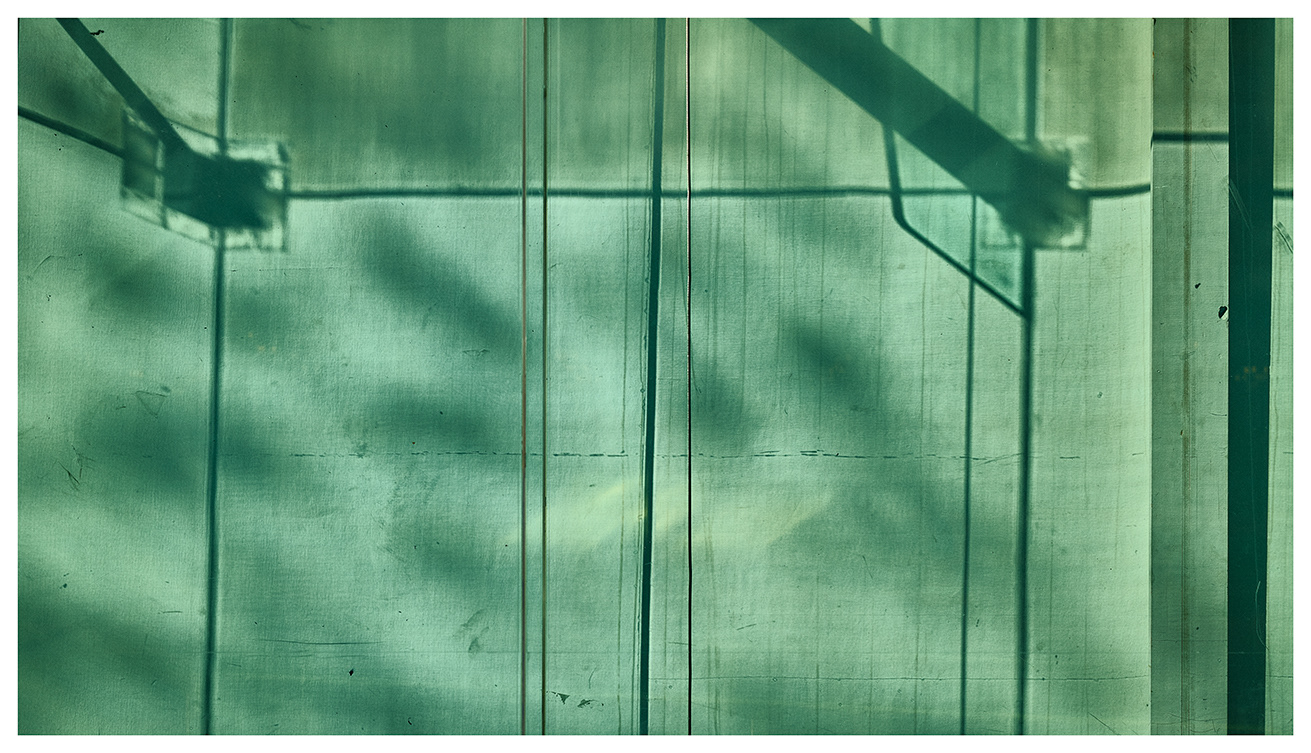
Street Reflections No. 5 (2021) by Stephen Lambeth.
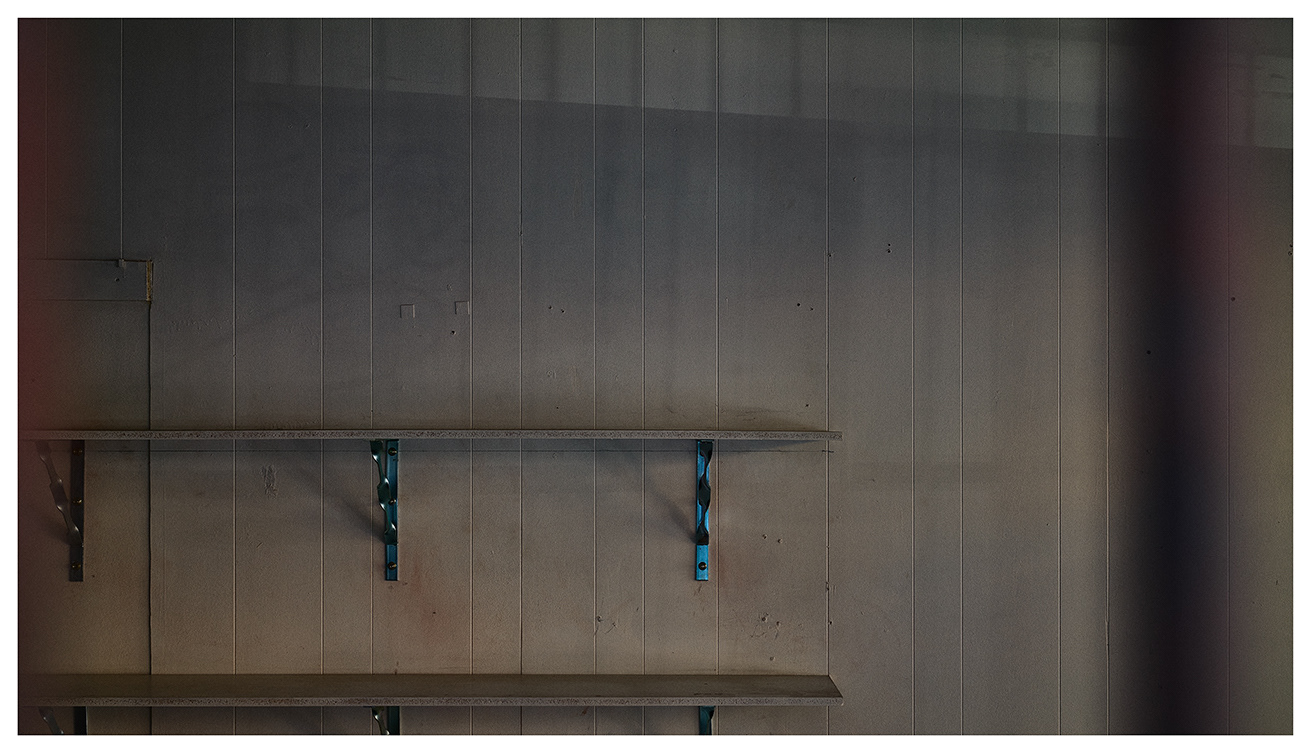
Street Reflections No. 8 (2023) by Stephen Lambeth.
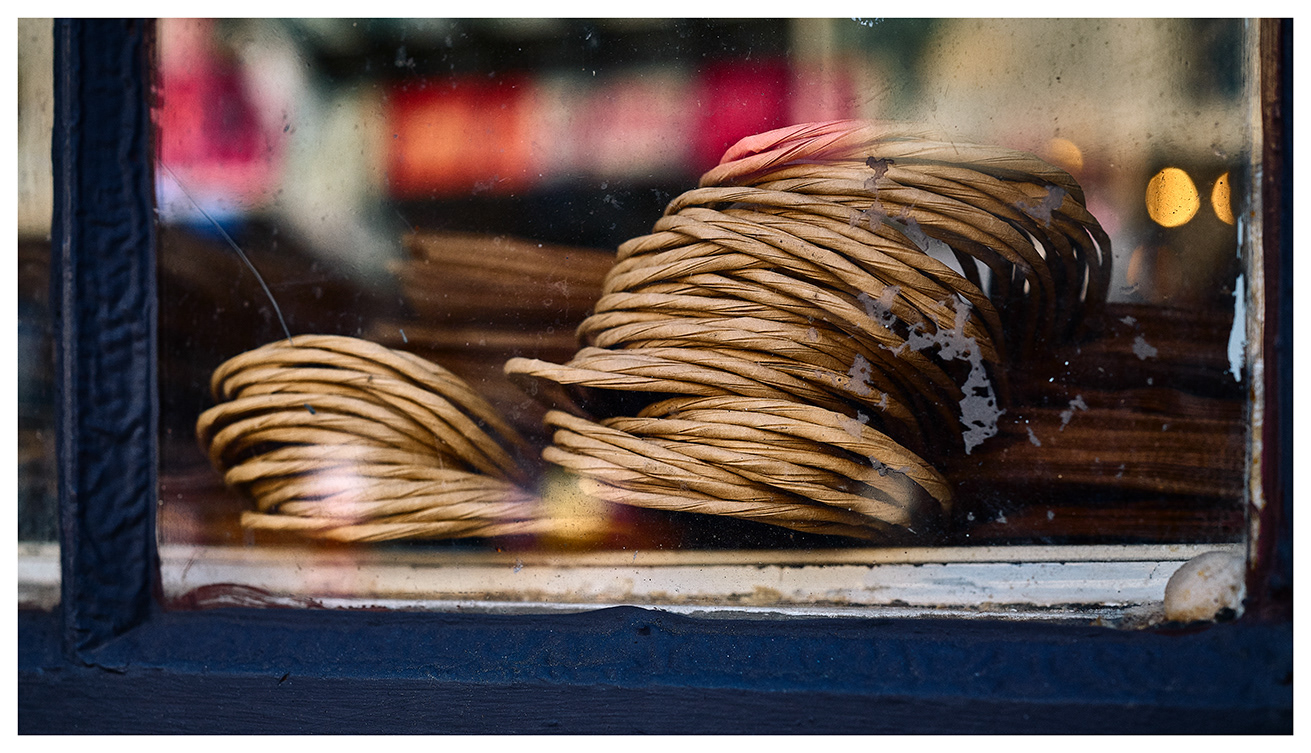
Street Reflections No. 7 (2023) by Stephen Lambeth.
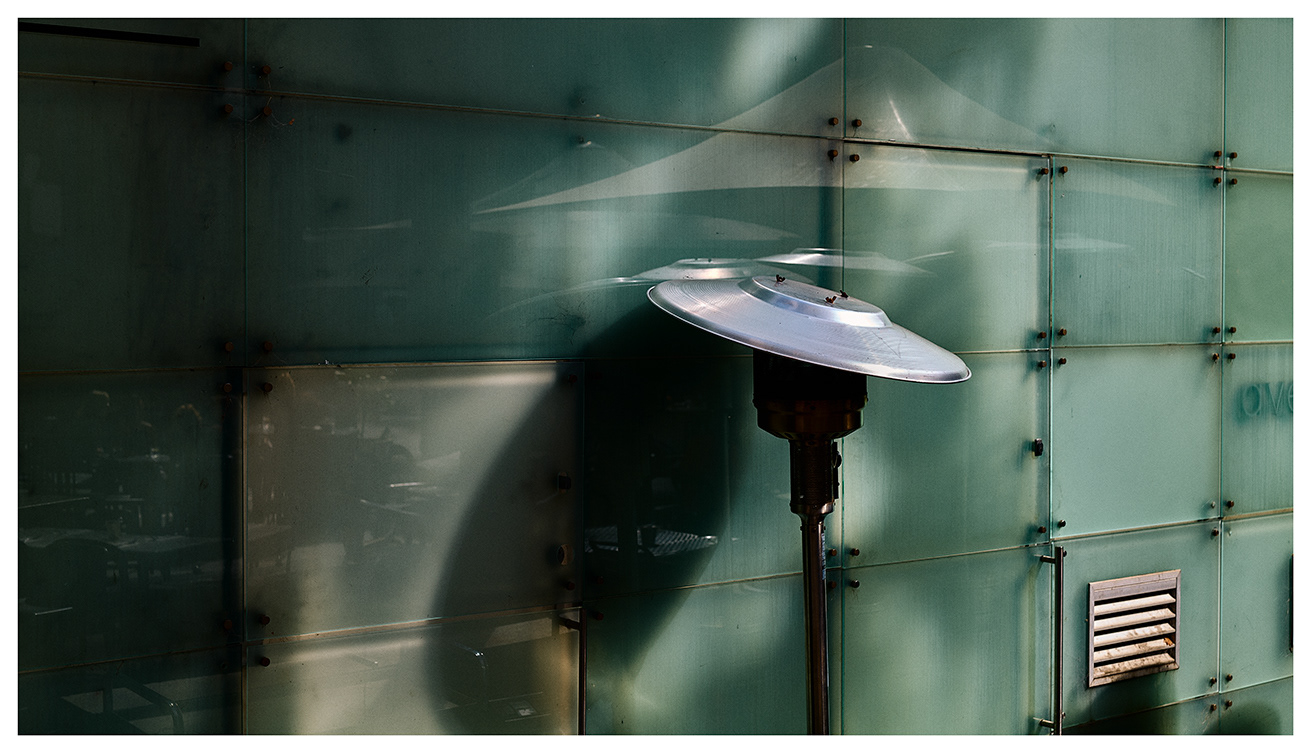
Street Reflections No. 3 (2021) by Stephen Lambeth.
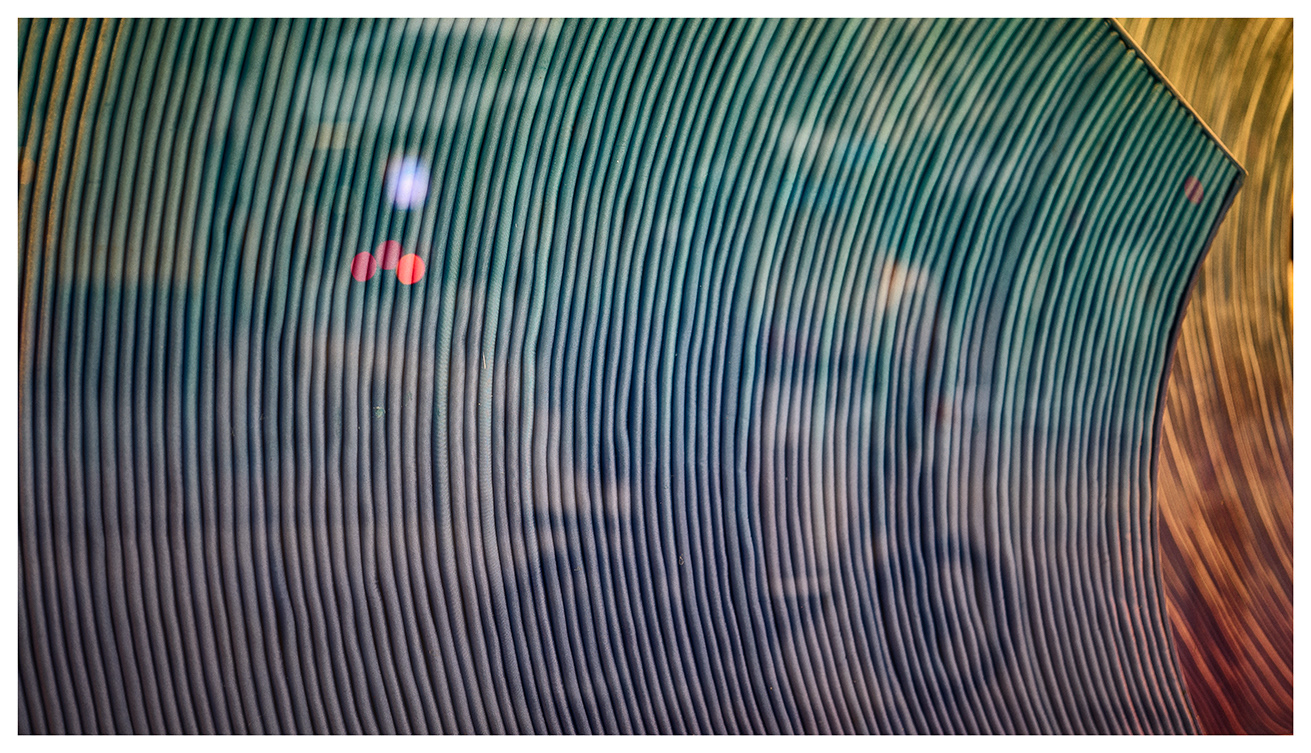
Street Reflections No. 1 (2020) by Stephen Lambeth.
The Latest Release of Works
This series considers landscape not as fixed scenery, but as an ongoing act of formation. The images trace the quiet influence of wind, water, heat, and time. Forces that sculpted the terrain long before a camera arrived to record it. Photographs do not simply reveal places; they interpret them.
My New
Website
My site has had an over hall. Some conversations are written and need to be posted and some series still to be finish, but all in all its better than what was, so enjoy!
The site is somewhere the chill, reflect and slow down and is alot like a tree. It has many branches and those branches, branch out as well. So treat like you are climbing a tree. You know you have reached as far as you can go when you get to the leaves, or in this case a bunch of images...
Stephen Lambeth Photography
11/88 St Georges Cres, Drummoyne
Australia
Australia
You received this email because you signed up on our website or made a purchase from us.