Issue 02 : Winter 2026

THE QUARTERLY
[  CONVERSATION  ]


A slow correspondence on seeing
Welcome

Hello...
The image above can be found on many streets in Sydney's CBD. They are echoes of a time past...
Introduced in the late nineteenth century to carry natural light across the boundary between street and vault, pavement lights (sidewalk prisms, vault lights, or pavement vaults) survive in the footpaths of Sydney, London and Melbourne. Functional and largely unnoticed. Walked over daily by people who have no reason to look down. They are a solution to a threshold problem that, over time, became simply the floor. The light they carry has been passing through them for a hundred and fifty years. The people above do not need to think about it. The spaces below depend on it. 
This is a different kind of survival than the one this essay traces. Not a fossil, not a framework, not a word carrying a dead cosmology inside it. A working thing that persisted by becoming invisible. A boundary that held. 
It is also not the essay I had planned to write when I published the first issue. I have thought of following it up with an essay on The Paradox of Photographic Truth: Between Deception and Necessity... or why photographs lie and why we need them to keep lying. 
But the fractiousness of the global stage and the intractability of parties to hold genuine conversations led me to look at how we got here. And oddly enough, it started with one of the sources of division. The Bible. 
So without further ado, let's have a long chat about some stuff. 
Kind Regards, Stephen.

p.s. - the reading time is probably about 40 minutes 


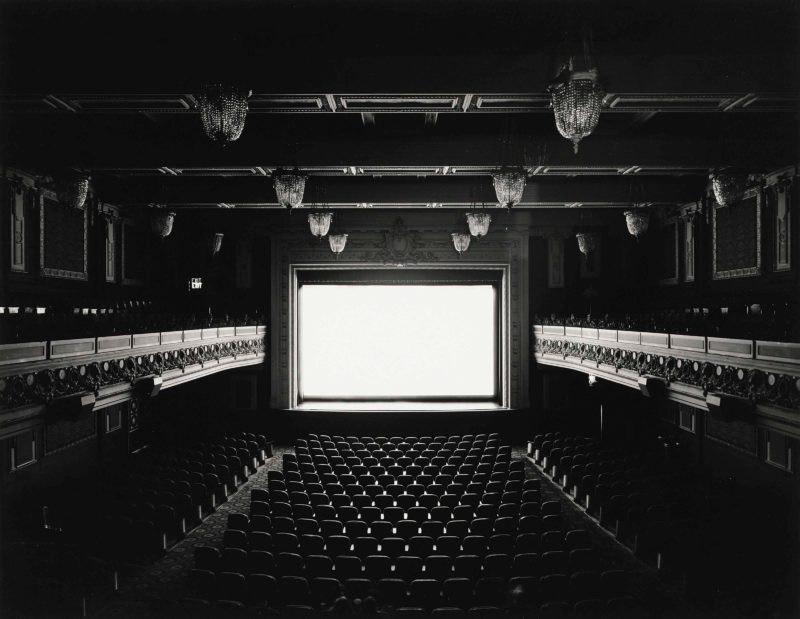
Theatres... Regency, San Francisco, (1992) by Hiroshi Sugimoto

The entire duration of a film collapsed into a single exposure. What the photograph records is not a moment but an accumulation of every frame of light that passed through the projector, held until only the brightness remained. What the film contained has gone. What persists is the fact of its passing.

What Survives, What Disappears: 
Frameworks, Perception, and the Limits of What We Can Imagine

 
There are tears in things. These words are evidence that someone, somewhere,
once looked closely enough to need a word for what they saw.
There are eighty-one books in the Ethiopian Orthodox Tewahedo Bible. Most Christians text have sixty-six. 
The difference is not a footnote. It is the beginning of a question. 
A question that once asked, does not stay in theology. It spreads into language, music, and mathematics. Into the darkness above our cities; into the colours we can and cannot name; into the bodies we inhabit and the desires we have been taught to receive or refuse. 
The question is this: what happens to a mind formed entirely within a framework that was itself formed by exclusion? Not a framework that is wrong, necessarily. The sixty-six-book canon built a tradition of extraordinary depth and endurance. But a framework that has forgotten it is one. That has smoothed away the seams of its own construction until the selected feels inevitable, the chosen feels given, and what was not carried forward feels not like a loss but as if it was never there.
The Ethiopian Church kept the Book of Enoch. It kept a cosmos that is stratified and strange, populated by different orders of being, architecturally complex in ways that the canon most of us inherited quietly discontinued. A mind formed on those texts develops a different flexibility than one formed without them. A different tolerance for layers, for paradox, for a reality that refuses to resolve into a single coherent picture. The loss of those texts was not only a theological event. It was a cognitive one. It changed what kinds of minds were possible.
That observation, followed long enough, becomes this essay. 
Because the same operation runs through every domain this essay moves through. A notation wins and trains a generation to think about change as difference rather than flow. A tuning system standardises and collapses two distinct pitches, each with its own harmonic direction, its own gravitational intention, into a single black key. A language loses a word, and a perception that word made transmissible becomes fugitive, felt but unable to accumulate. A city fills its sky with light and extinguishes not the stars but the practice of attention that once made certain kinds of smallness, and certain kinds of care, available every cloudless night to anyone who looked up. 
In each case, the loss does not present itself as loss. It presents itself as a simplification. As progress. As the natural shape of things. And that is precisely the problem. Not that something was lost, but that the losing was absorbed so completely into the new arrangement that the framework which caused it also shapes the terms in which loss can be recognised. We cannot feel the shape of the absence. The canon that remains becomes the measure of what was possible. 
What we inherit shapes not just what we think, but what we are capable of thinking. And what we cannot think, we cannot mourn. And what we cannot mourn, we cannot begin to recover. 
This essay does not offer recovery. It does not know, with any confidence, what full recovery would look like, or whether the word applies. What it offers instead is the prior work. An attempt to feel, across enough different domains, the mechanism itself. To make it visible by accumulation. To arrive, by the end, not at answers but at better questions. Questions capacious enough to hold what the available frameworks have been too small to receive. 
The Ethiopian Bible has eighty-one books. 
That number is not a curiosity. It is an invitation to ask what else we were not handed, and what kinds of minds the not-handing produced. 
We are those minds. This is us, trying to see past the edges of what we were given.
────
I. The Archive and the Flame
There are always more texts than we inherit.
This is the first thing to understand, and perhaps the hardest. We tend to imagine that what we have received is what existed; that the library we were handed is more or less the library that was written. But preservation is never passive. Every archive is also a bonfire. Every canon is a selection, which means it is also, necessarily, an exclusion. The question is not whether something was lost. The question is what kind of loss it was, and what kind of minds that loss produced.
The Ethiopian Orthodox Tewahedo Church preserves a biblical canon far larger than that used across most of Europe. Books like the Book of Enoch remain alive there: dense with angels, layered heavens, and a cosmos that is not singular but stratified, breathing, and strange. The heavens in Enoch are not one place but many; tiered realms inhabited by different orders of being, a universe far more architecturally complex than the one Western Christianity eventually settled into. In Europe, those texts fell away. Not all at once, and not without contest. There were arguments, councils, political pressures, and moments where the outcome could have gone differently. But the canon narrowed. Theology clarified. The world, in a sense, became flatter.
What was lost was not only text. What was lost were ways of imagining.
That phrase deserves to be pressed on, because it carries the whole argument of what follows. We tend to think of imagination as a private faculty, something interior, innate, reliably our own. But imagination is also trained. It is shaped by the materials it is given to work with, the forms it is asked to inhabit, and the symbolic languages it is taught to speak. Give a mind texts that think in layers — texts comfortable with paradox, with multiple simultaneous meanings, with a cosmos that refuses to resolve into a single coherent picture — and that mind develops a certain flexibility. A tolerance for complexity. An ability to hold contradictory truths without the urgent need to choose between them.
Remove those texts. Replace them with ones that insist on clarity, coherence, and singular meaning, and that same mind learns a different lesson. It learns that ambiguity is a problem to be solved rather than a condition to be inhabited. It learns that the world has a correct interpretation, and that the task of thinking is to find it.
Both modes have genuine value. The second built cathedrals and legal systems, and laid the foundations of the scientific method. But when it dominates completely. When it becomes not one of the available modes, but the only available mode, then something is quietly lost. Not a specific belief, but a capacity. The ability to remain present in uncertainty. To find a thing strange and interesting rather than threatening. To encounter difference without the reflexive need to resolve it into something familiar, or expel it from view entirely. 
Here is the deeper problem that survivorship bias poses. It is not simply that we lost certain books, certain practices, certain ways of understanding the body or the cosmos. It is that we lost the ability to know what we lost. The canon that remains becomes the measure of what was possible. The frameworks that survived become the boundaries of what can be imagined. The loss does not present itself as loss at all. It presents itself as the natural shape of things; the obvious limit of the real. 
What we inherit shapes not just what we think, but what we are capable of thinking. And what we cannot think, we cannot mourn. And what we cannot mourn, we cannot begin to recover. 
The clearest evidence of this is not in theology or cosmology, where the losses are ancient, and the distance makes them bearable. It is in the words we use every day. Those words still in circulation, still doing ordinary work, carrying inside them the intact remains of worlds the dictionary's own apparatus can no longer reach.
────
II. The Words We Lost
Every forty days, a language dies.
With it goes not merely a system of sounds and grammar, but an entire way of cutting the world into pieces. A particular set of distinctions between colours, weathers, emotions, and relations that no other language makes in quite the same way. The loss is not metaphorical. When a language dies, certain perceptions literally become unspeakable, and in time, unthought.
Consider what a word actually is. Not a label attached to a pre-existing thing, but a cut; a decision, made collectively and over time, that this distinction matters enough to name. The word creates the perception it names, to a degree that still makes cognitive scientists uncomfortable. Without the cut, the distinction does not disappear from the world. It disappears from the accessible range of human attention.
The English word disaster is a fossil. Still in use, still doing daily work, but carrying within it the perfect, intact remains of a world-view that no longer exists. Dis-aster: a bad star alignment. The word encodes a cosmos in which celestial bodies stream influence into human affairs, in which catastrophe is literally a heavenly misarrangement. We use the word every day without feeling the cosmology it preserves. Influenza is the same: the influence of stars on human health, the word surviving its own explanatory framework by several centuries. Companion: someone with whom you break bread. Consider: to read the stars carefully. The vocabulary of ordinary English is a graveyard of superseded world-views, each word a fossil preserving the shape of a vanished way of understanding the world.
This matters because it shows us two different modes of loss. The Book of Enoch was removed from the canon. A deliberate exclusion. A decision made at a specific moment that can, in principle, be traced. But disaster was never removed from anything. It simply continued, its cosmological content gradually becoming invisible, absorbed into ordinary usage until the word functioned normally while the understanding that had generated it became inaccessible. Both are forms of the same loss. One was a bonfire. The other was a slow, imperceptible fading; the kind that presents itself not as loss but as simply how things are. 
Some words died more completely. The English language once contained groke: to stare at someone eating in the hope they might share. Sgiomlaireachd: the Scottish Gaelic word for the habit of interrupting someone at mealtimes. Mamihlapinatapai: a Yaghan word for the wordless look shared between two people who both want something neither will initiate. These words did not describe rare or exotic experiences. They described experiences so common, so recognisable, that a community felt the need to name them precisely. Their loss is not the loss of a label. It is the gradual erosion of the shared attention that made the naming possible in the first place. 
And here the argument becomes most precise. It is not only that we can no longer name these experiences. It is that without the name, the experience becomes harder to hold, harder to share, harder to build on. The perception that mamihlapinatapai names is still available to any two people in a room, but without the word, it remains fugitive; felt perhaps, only to dissolve back into the surrounding silence, unconfirmed, unavailable for conversation, unable to serve as the foundation for anything further. The word was not merely a convenience. It was the infrastructure that made a particular quality of human attention transmissible. 
A language, then, is not merely a communication system. It is an inherited framework of attention. A set of decisions made by countless people over centuries about what is worth noticing, what distinctions are real, and what experiences are common enough to name. When a language dies, that framework dies with it. And what dies with the framework is not just a set of words but the particular perceptual world those words made possible. 
We inherit language the way we inherit the canon. As though it arrived complete, inevitable, the natural shape of how things are named. We rarely feel it as a selection. We rarely ask what it excludes. 
Music asked the same question, in the same way, with the same result. Not in the words of a song, in its pitches. In what a note was understood to mean before meaning was standardised into something more portable and less alive.

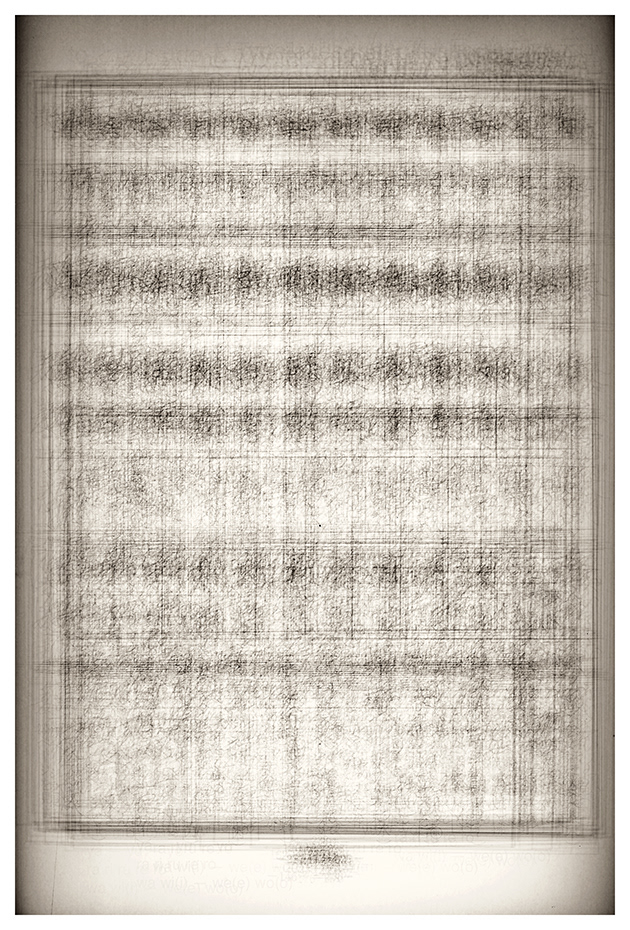
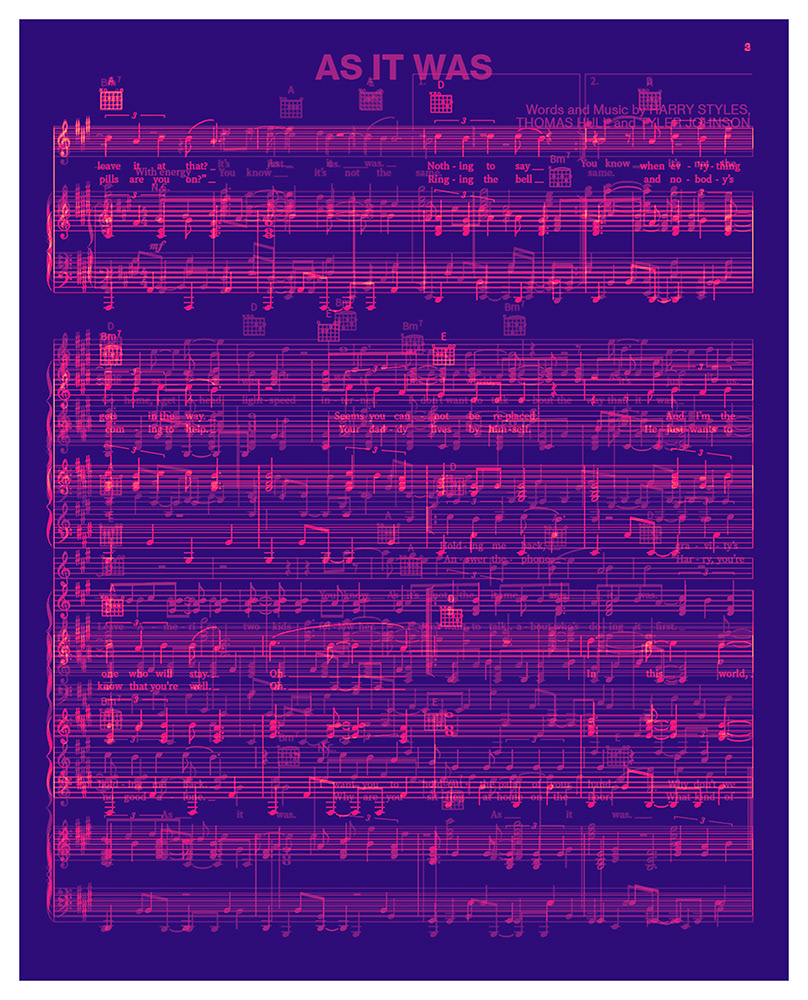
From left to right:  'Tōyō kanji no santai' (kaisho-gyosho-sōsho), an old book on Kanji 三体 and As It Was, Sheet Music by Harry Styles. 
Two notations, each layered beyond legibility. What accumulates is not meaning but the evidence of meaning. The residue of a system that once transmitted something precise, now held in the shape of its own repetition.

III. The Note That Disappeared 
In the tuning systems that preceded equal temperament, C♯ and D♭ were not the same pitch.
This is not a historical curiosity or a matter of technical precision available only to specialists. It is evidence of something fundamental about how music once understood the relationship between a note and its meaning. A sharp was not simply an enharmonic equivalent of a flat with a different name. It carried a different harmonic function, a different gravitational direction, a different intention within the key. The sharp tended upward;  it was a note in the process of resolving toward something higher. The flat tended downward; it was a note dipping toward a resolution below. The pitch was not merely a frequency. It was a relationship, and a relationship with somewhere it wanted to go.
Equal temperament abolished this distinction. It divided the octave into twelve exactly equal semitones, collapsing C♯ and D♭ into a single black key, allowing keyboard instruments to play in all keys with what the theorists called manageable compromise. The word compromise was always honest, even if what it conceded was not always fully acknowledged. What was gained was genuine and significant: the ability to modulate freely between keys, to play in all twenty-four without retuning, to produce the kind of harmonic range that Bach celebrated in the Well-Tempered Clavier and that Western classical music subsequently built an entire tradition upon. 
What was lost was the grammar of harmonic intention. 
In the older systems, a melody didn't merely move between pitches. It moved between relationships, each note carrying within it a directional pull, a sense of where it was tending, what it was expecting, what it would mean to arrive or to withhold arrival. The listener didn't just hear where the music was. They felt where it was going, at the level of individual pitches, in a way that equal temperament can approximate but not quite replicate. The compromise flattened a topology; a landscape of pulls and resistances and directions, into a grid of equal intervals, efficient and portable and subtly less alive.
This loss was then absorbed so completely into the new system that most Western listeners now experience equal temperament not as a compromise but as simply how pitch works. The black key between C and D is one thing, not two. The idea that it might carry different meanings depending on its direction. That C♯ in a key moving upward and D♭ in a key moving downward might be genuinely distinct pitches expressing genuinely distinct intentions has become not merely unfamiliar but almost unthinkable. The framework presents itself as acoustics. As nature. As the way sound simply is.
The nursery rhyme extends this argument in a different register. Traditional children's songs were not primarily vehicles for their words. They were vehicles for a musical grammar. Modal scales, rhythmic patterns, and melodic conventions that encoded social knowledge in a form that survived because it was memorable, communal, and endlessly repeated. The minor third that falls at the end of a counting rhyme carries information about finality, warning, and consequence that the words alone do not carry. The Dorian mode that runs through certain working songs encodes a relationship between labour and resolution that equal-tempered major keys cannot quite replicate. The specific tuning of a regional folk melody via the slight sharpening or flattening of individual notes that fall outside the equal-tempered grid was not imprecision. It was an expression specific to place, community, and the emotional register the song was meant to inhabit.
As standardised tuning spread, as music education moved toward the keyboard and away from the voice singing in community, as regional traditions were absorbed into national ones and national ones into global ones, that tonal grammar simplified. The songs survived in many cases. What they knew did not travel with them. The words of Oranges and Lemons are still sung. The specific melodic inflections that once gave those words their particular social weight, that encoded, in the shape of the tune, something about the city and its bells and the relationships between parishes, that the words only gesture at. Those are all but gone. What remains is a melody in equal temperament that carries the outline of something whose full meaning it can no longer transmit.
The same operation that flattened the pitch flattened the mathematics of change. In the same broad era, through the same logic of portability over precision, another grammar was simplified into another compromise, and the loss presented itself, as it always does, as an improvement.
────
IV. The Notation That Won
In 1687, Isaac Newton completed his Principia Mathematica using a method of calculation he had developed over the previous two decades, which he called the method of fluxions. A quantity that changed position, velocity, the curve of a path through space, Newton called a fluent. He called its instantaneous rate of change its fluxion. The notation he developed to express this placed a dot above the variable: ẋ for velocity, ẍ for acceleration. The image was of something flowing. A quantity not merely varying but moving through time, generating its values the way a river generates its surface.
Eleven years earlier, Gottfried Wilhelm Leibniz had published a different calculus. Where Newton thought in flows, Leibniz thought in differences. His notation, dy/dx, the ratio of an infinitesimal change in y to an infinitesimal change in x, expresses change as a comparison between neighbouring states rather than as a current running through time. It was abstract, portable, and almost infinitely extensible. Where Newton's dot notation silently assumed that time was the axis of change, Leibniz's notation could express the rate of change of anything with respect to anything. It was a more general tool.
Leibniz's notation became the international mathematical language. Newton's survived in physics, where time is often the relevant axis and the dot notation remains elegant and economical. But as a broader imaginative framework, as a way of teaching minds to think about change, Newton's approach was eclipsed. We learn calculus in the Leibnizian tradition. We learn to think about change in terms of difference, ratio, and relation. We learn dy/dx before we learn, if we ever learn, that another grammar once existed in which change was flow, becoming, the intensity of a quantity's motion through time.
This matters beyond mathematics because notation trains imagination. The form of a symbol quietly teaches a way of seeing. Leibniz's notation teaches a world of relations and comparisons: here is one quantity, here is another, here is the ratio of their changes. It is a world of differences. Newton's notation taught a world of processes: here is something moving, here is how fast it is moving, here is how its speed itself is changing. It is a world of flows.
A mind trained deeply in Newton's imagination of change might have developed a different instinct about time, process, and becoming. Not a mystical instinct. Newton was as rigorous as Leibniz, but a different one. More inclined to ask not what the relationship is between these two quantities, but what is this becoming, and at what rate, and what forces are shaping its motion. That is very close to an artist's question. It is the question a photographer asks about light. It is the question a musician asks about a phrase. It is, perhaps, a question that a culture steeped in fluxional thinking might have asked more naturally and more often about the things it was watching change.
We needed Leibniz to build modern mathematics, engineering, and computation. The abstraction was necessary. But we may have given up, in fulfilling that need, a way of feeling change as something alive,  directional, accumulating, tending, which is precisely what equal temperament gave up in music, and precisely what the loss of C♯ and D♭ as distinct pitches gave up harmonically. In each case, a richer, more directional grammar was simplified into a more portable one. In each case, the simplification was genuinely necessary and genuinely costly, and the cost was absorbed so completely that it stopped presenting itself as cost at all.
By now, the pattern is visible enough to name. Something is gained. Something is lost. The gain is real, and the loss is real, but only the gain presents itself as such. The loss becomes simply how things are… The natural acoustics of pitch, the natural grammar of change, the natural vocabulary of the possible. What was there before settles into invisibility.
The same thing happened to the sky.

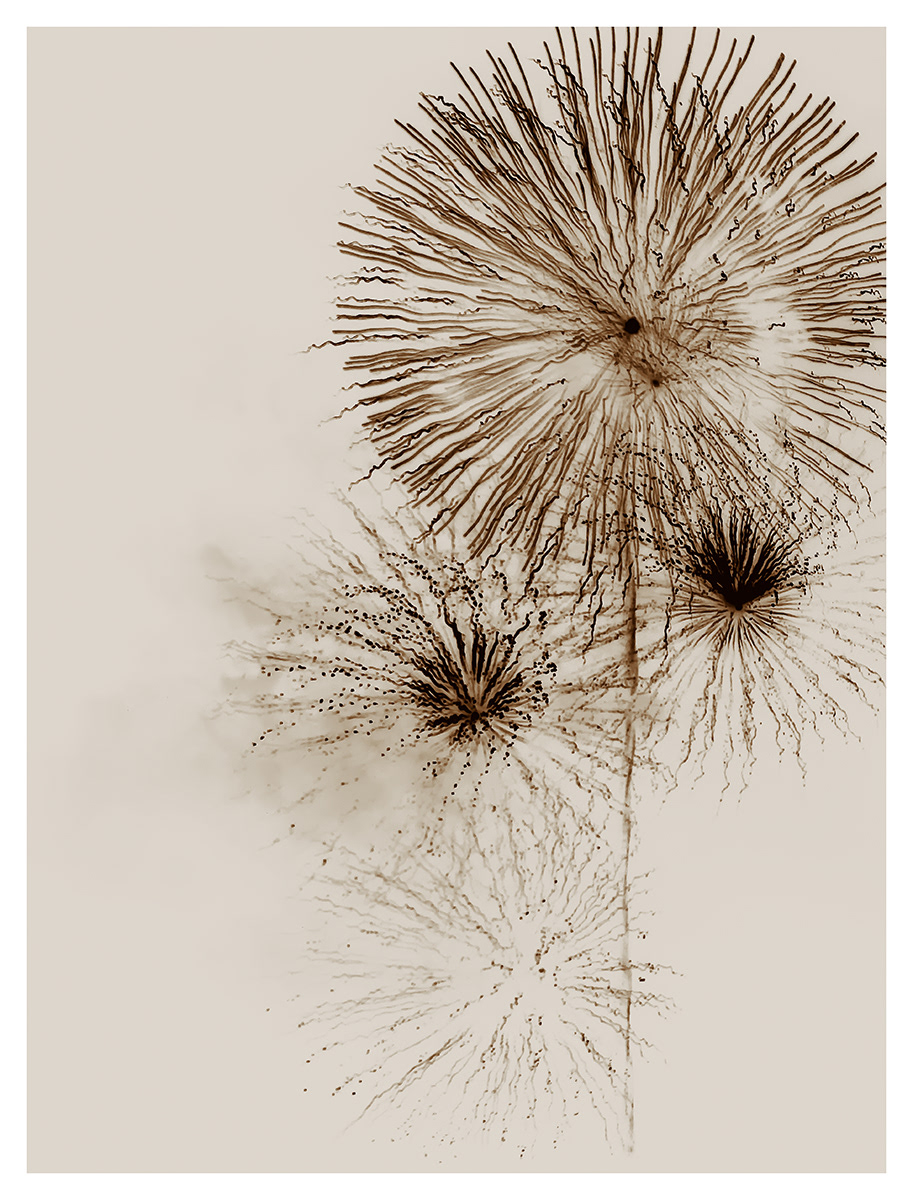
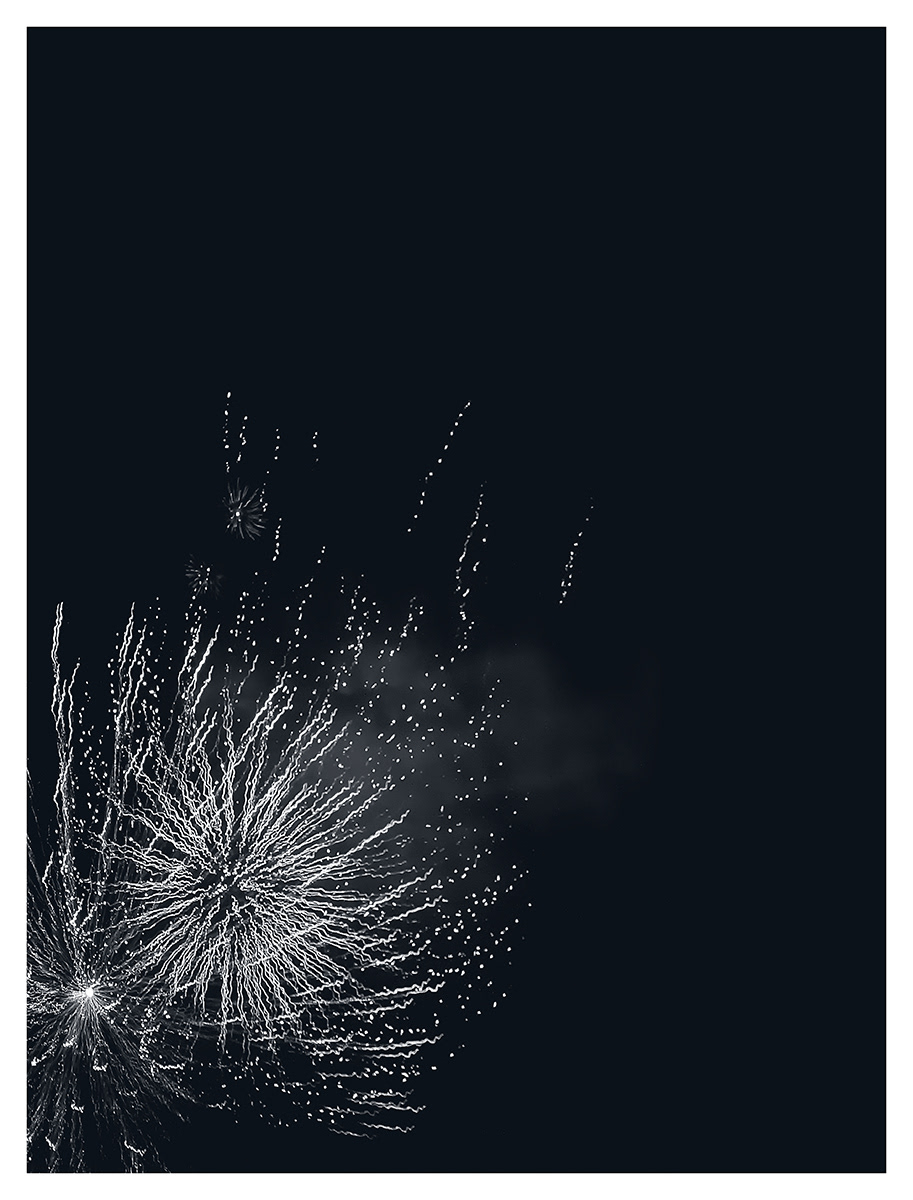
From the 'Mapping Time' Series 
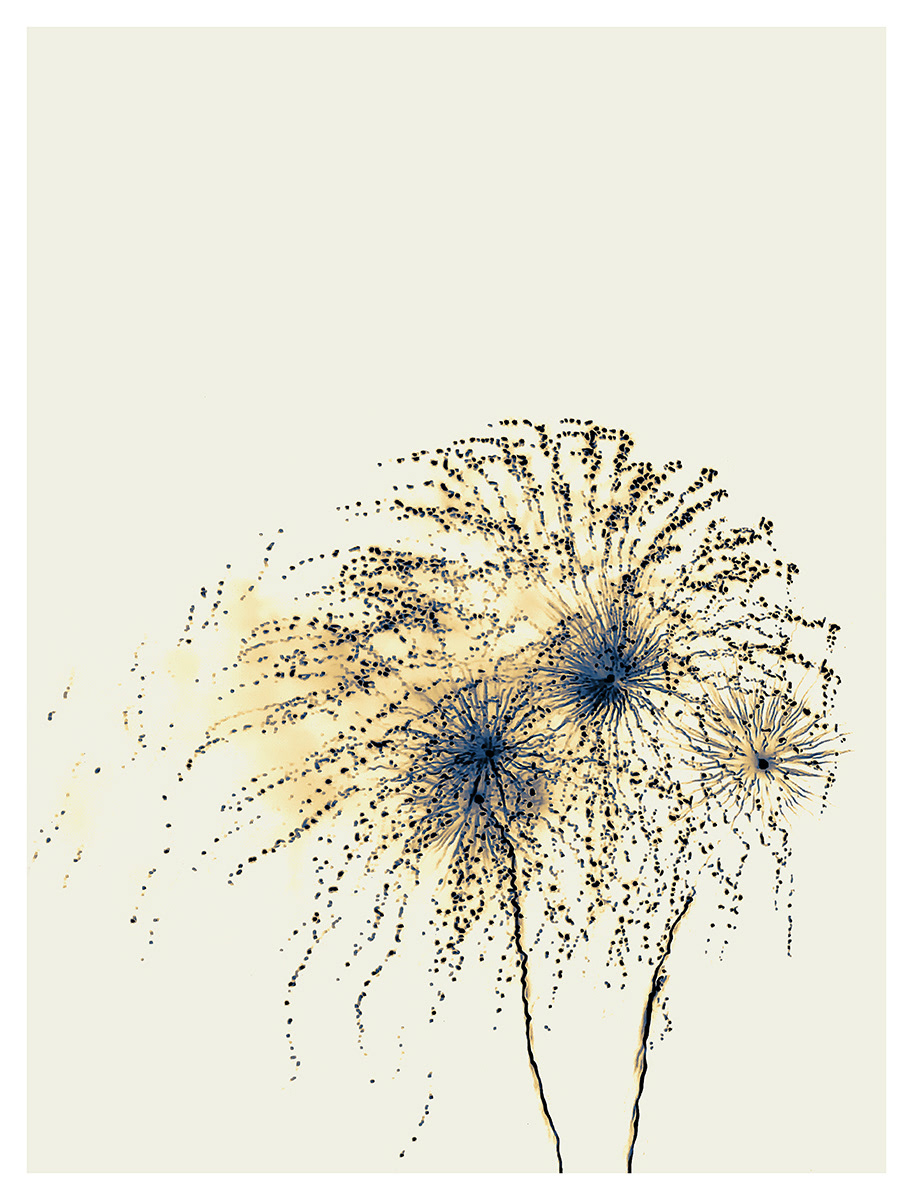
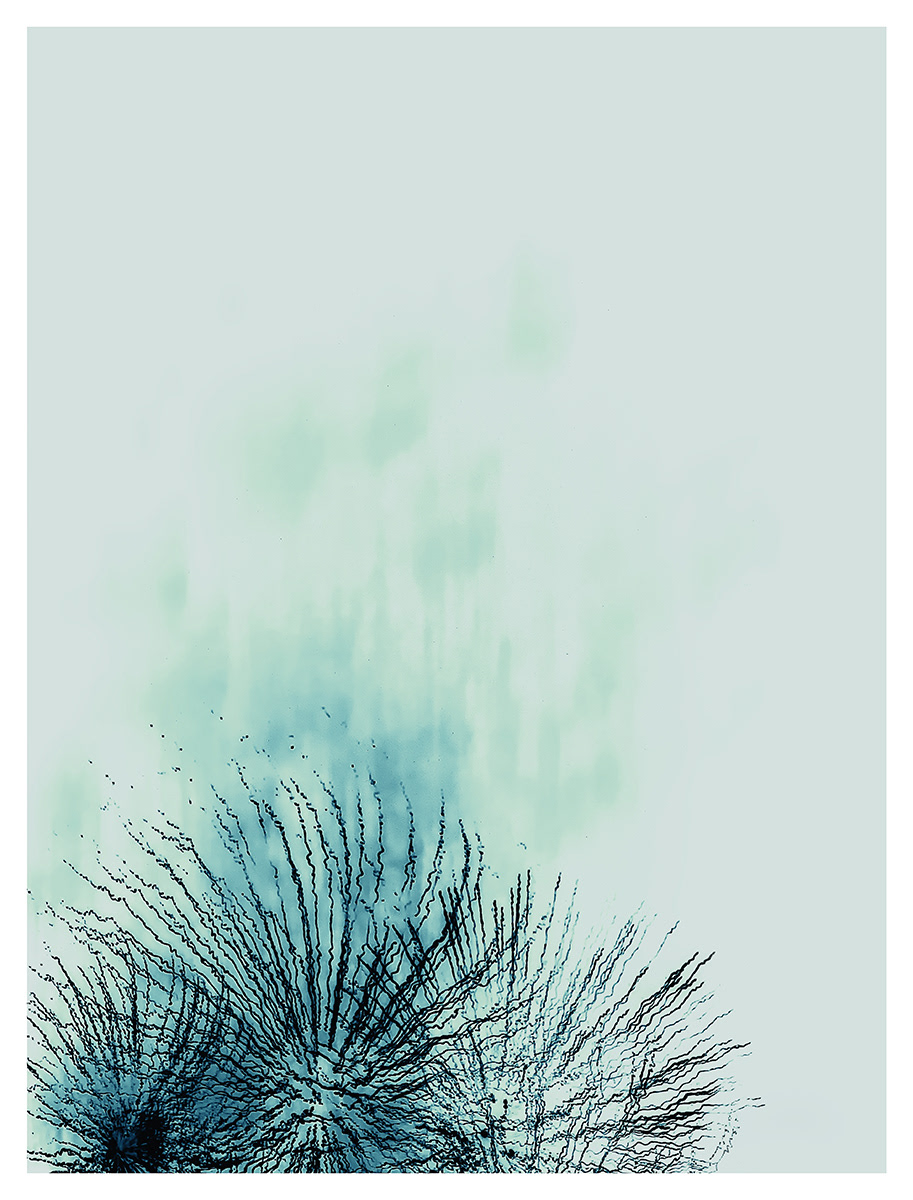
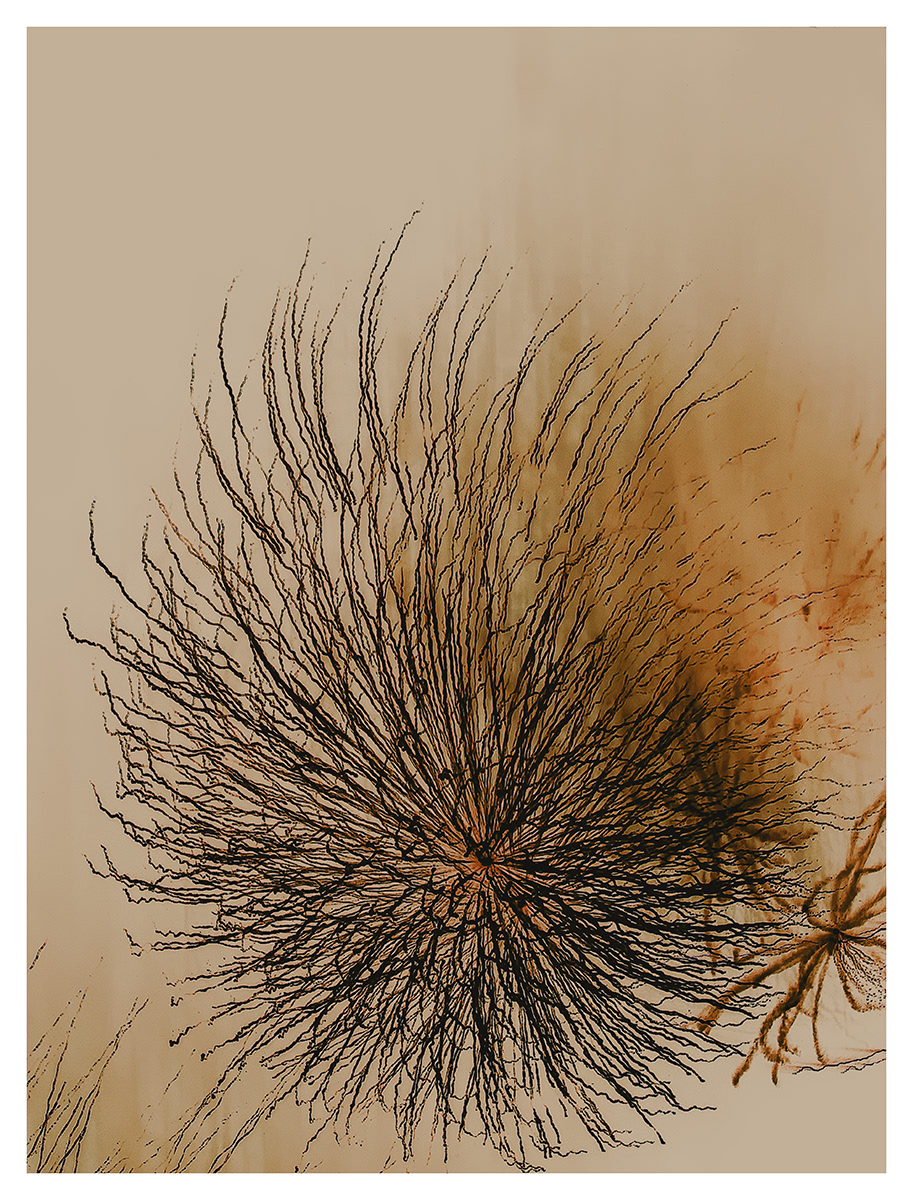
Five exposures of the same event; abstracted and processed through different tonal systems. The NYE firework bursts that lasted seconds become something else across each translation... Sepia, inversion, platinum. The event was the same. What survives it depends entirely on how the recording was treated.

V. The Sky We Made Ourselves 
The stars did not leave. They are not the kind of thing that leaves. 
What departed, gradually and slowly, in ten thousand small and reasonable decisions made by people who wanted only to see a little more clearly, was the darkness that made them visible. Lamps replaced torches. Towers replaced lamps. The glow above the rooftops thickened imperceptibly, the way a language loses a word: not all at once, but through gradual disuse, until one day a child asks what the word meant and no one can quite remember. 
The stars became theoretical. Known to exist the way the deep ocean is known to exist, as a fact one accepts without experience, without the particular vertigo that only experience can produce. For most of human history, that vertigo was available every cloudless night to anyone who stepped outside and looked up. The sensation of being a brief, small creature on a brief, small world, suspended in something without edges, was not a philosophical conclusion to be reached by argument. It was a physical experience, regular, accessible, and free, built into the rhythm of the day by the simple fact that the day ended.
What that experience produced is difficult to recover precisely because it was not a belief or a doctrine but a felt orientation. A recurring recalibration of the self against something genuinely incomprehensibly larger than it. It made people, in a word, careful. Not as a virtue chosen but as a response to a physical fact encountered nightly. The universe was unimaginably larger than whatever a person was worried about. This was not a metaphor. It was visible.
The indigenous peoples of Australia read the night sky differently from Europeans. And the difference is itself evidence of what is lost when the capacity for deep attention is extinguished. Where European astronomy mapped figures drawn between stars. The Hunter, the Swan, the Bear, certain Australian indigenous traditions mapped a different set of figures entirely. The Emu in the Sky is drawn not with stars but with the dark rivers of dust running through the Milky Way. The figure is outlined by absence, by the darkness between the stars, not the stars themselves. To see the emu, you must know the darkness well enough to see its shapes. You must stand in it long enough to stop being afraid of it. You must have developed, over generations of patient attention, the capacity to read not only what is luminous but what is not.
This is not a different answer to the same question. It is evidence that a different question was being asked. One that required a different quality of attention to generate, and a different quality of darkness to sustain. Light pollution did not merely dim the stars. It extinguished the practice of attention that made that kind of seeing possible. And with it went not only the emu in the sky but the particular human orientation toward smallness, toward patience, toward the 'genuinely other' that regular encounters with genuine darkness had quietly produced.
We built a sky we could control. Reliable, bright, always on. It tells us nothing we did not already know. 
What the sky lost, language had already been losing for centuries. The capacity to name distinctions the dominant system had no use for, and therefore could not see.

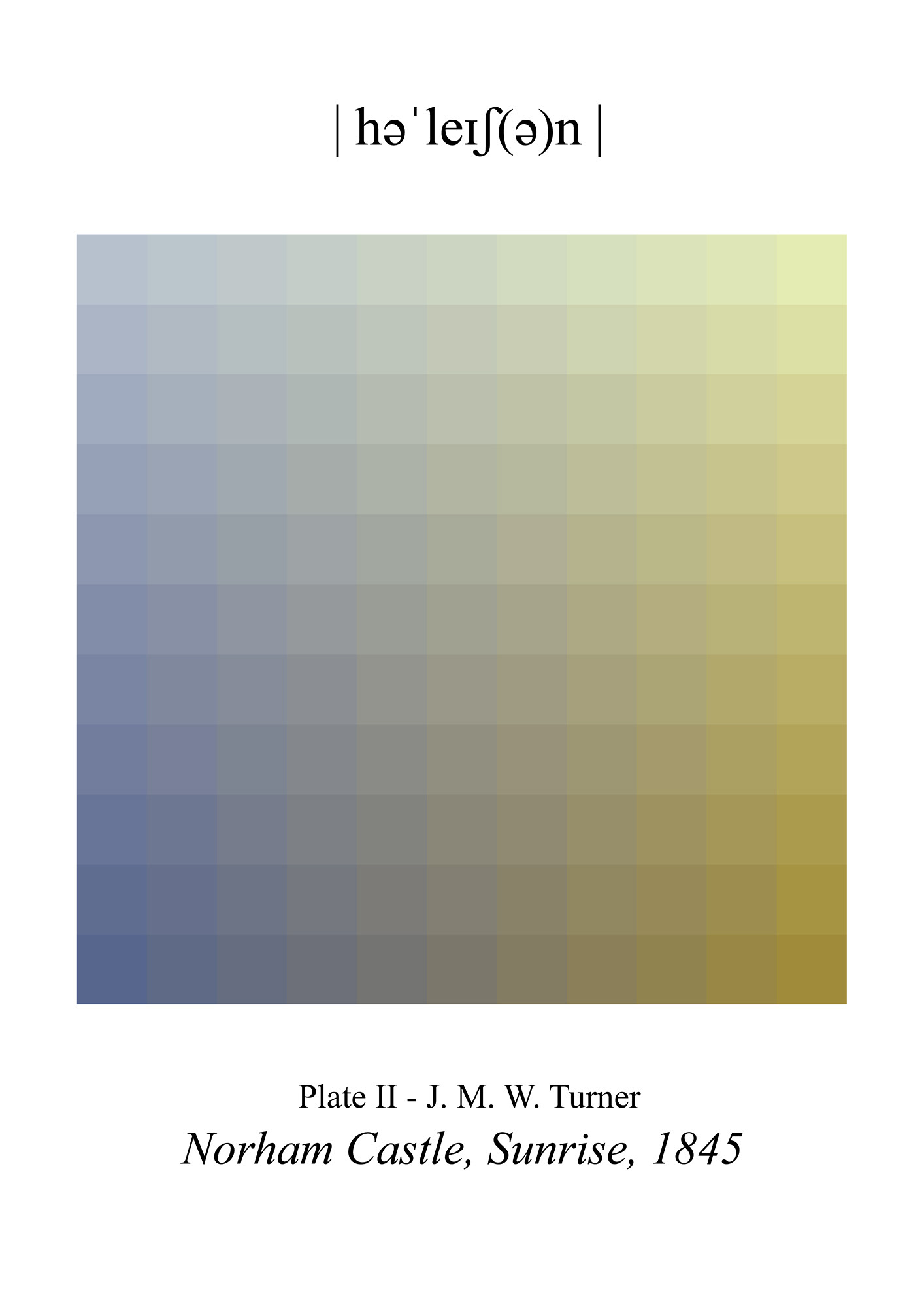
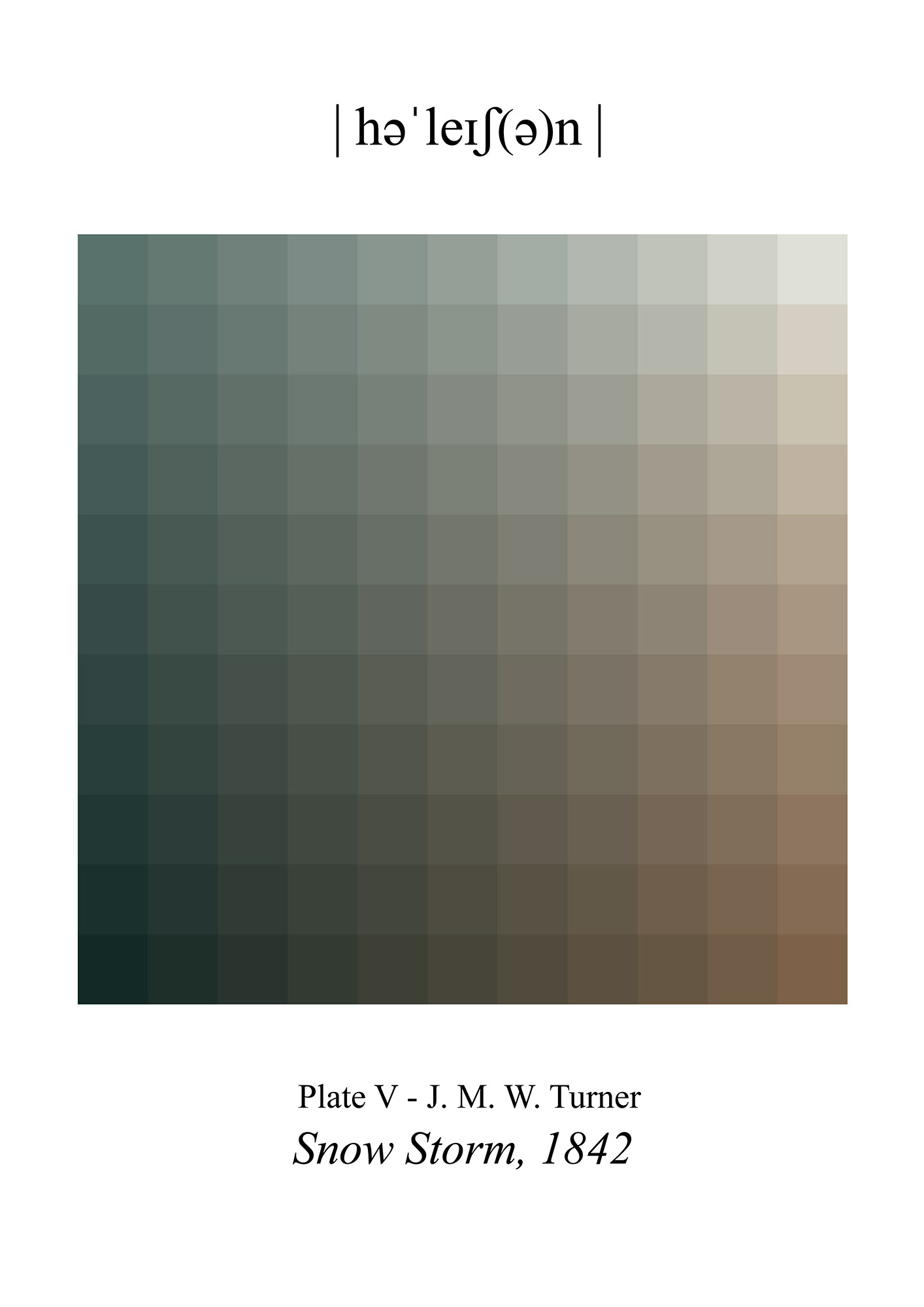
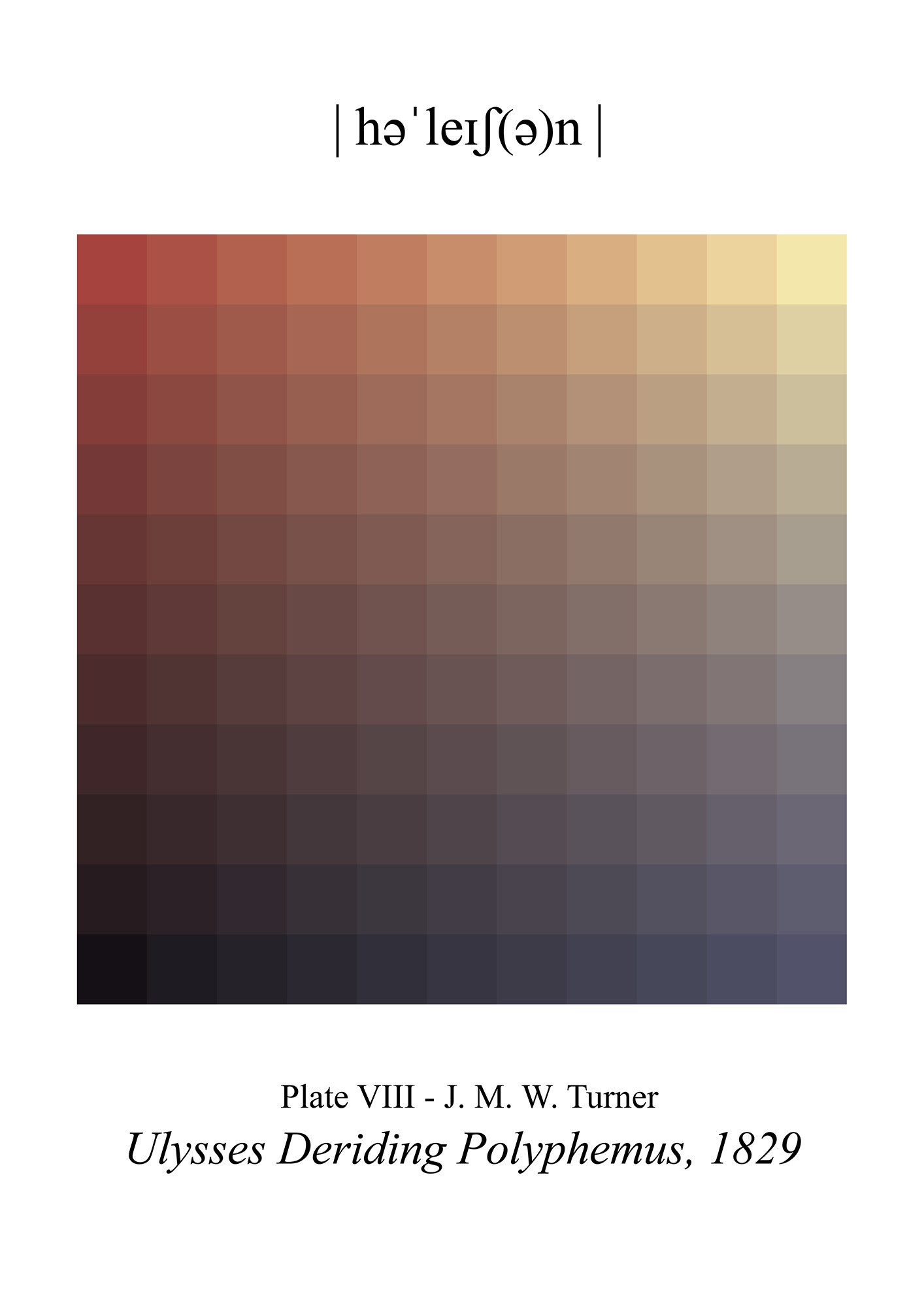
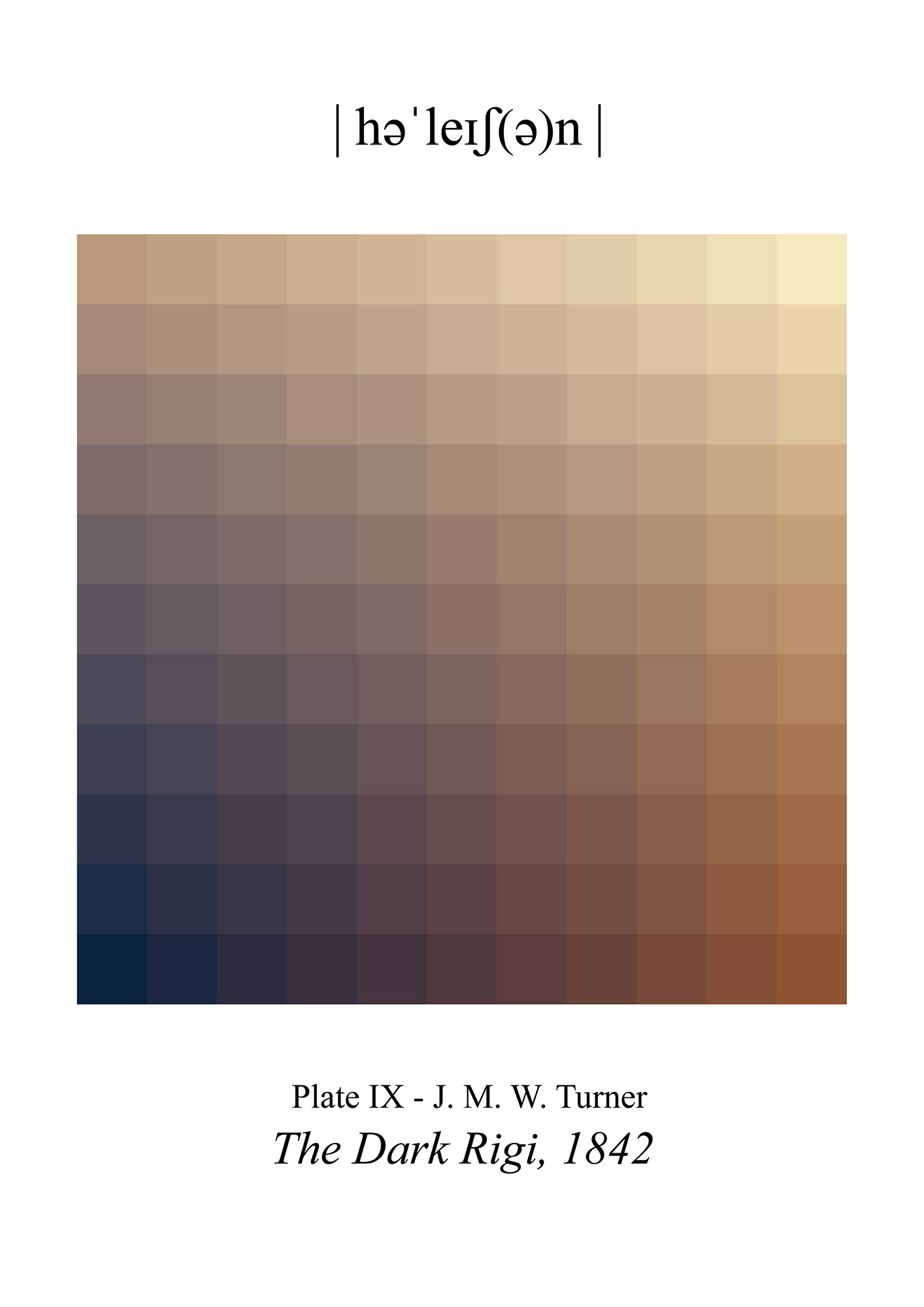
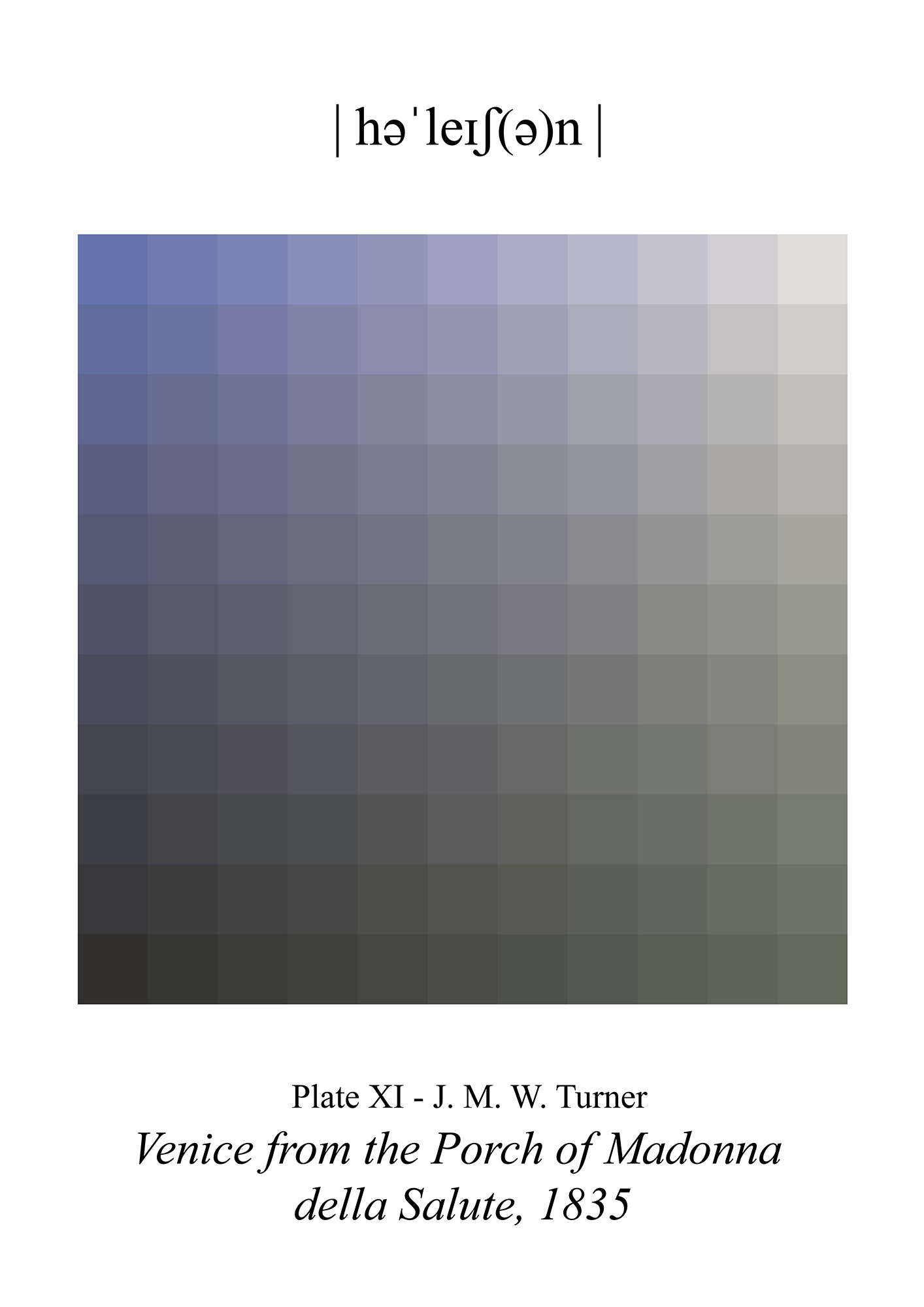
From the 'Halation Series' - J. M. W. Turner Sequence
Five paintings reduced to their chromatic signature and the image dissolved until only the colour field remains. What Turner knew about light, atmosphere, and the sky that we can no longer see is still held here, at the level below representation, in the particular temperament of each plate's luminance.

VI. The Colour the Word Made
In 1858, William Gladstone, between stints as the UK Prime Minister, occupied himself with a study of Homer. He noticed something strange in the Iliad and the Odyssey. Colour terms were almost entirely absent. The sea was wine-dark. Sheep were violet. Honey was green. The sky, across thousands of lines of verse, was never described as blue.
Gladstone concluded that the ancient Greeks were partially colour-blind. A mass physiological deficit that he acknowledged was difficult to explain. The actual conclusion, which took another century of linguistics and cognitive science to articulate fully, is more interesting and more unsettling. The Greeks were not colour-blind. They had not yet made, in their language, the cut between blue and green that modern European languages take for granted. Without a word that distinguished blue from green as separate categories, the boundary between them was genuinely less distinct in perception. The sky was not blue to Homer, not because he could not see it, but because his language had not yet decided that the distinction was worth naming.
This is not a trivial observation about vocabulary. It is evidence that the words we inherit shape what we are capable of perceiving. That the cut a language makes in the spectrum of experience is not merely a label applied to a pre-existing distinction but a determination of whether the distinction is perceived as real at all. The Pirahã language of the Amazon has no words for numbers above two, no grammatical recursion, and no creation myth. Its speakers experience quantity and time in ways that challenge the assumption that these are simply features of reality rather than features of the frameworks through which reality is processed. The Yupik languages of the Arctic make distinctions between types of snow and ice that English cannot approach, not because English speakers are less observant, but because English never needed to make those cuts. The category creates the perception it names.
What follows from this is vertiginous if you allow it to be. The inherited lexicon of any language is not a neutral map of reality. It is a record of the distinctions a community decided, over centuries, were worth maintaining. Which means it is also a record of the distinctions that were not maintained. The perceptions that almost got a word, the experiences that were felt but not named, the cuts that were made and then abandoned as the language simplified, standardised, and merged the adjacent into the identical.
The fossil words carry this history on their surfaces for anyone who looks. Disaster carries a cosmos. Companion carries a social world in which breaking bread together creates a specific category of bond. Saudade, the Portuguese word for a melancholic longing for something loved and lost, combined with the knowledge that it may never return. It marks a distinction that English has never needed to make, or has never been willing to make, or has always found easier to dissolve into the generic longing and leave at that. Whether the distinction saudade names is a real feature of emotional experience or a feature that the word itself calls into existence is, at this point, probably the wrong question. The word exists. The perception it names is available, with precision and transmissibility, to those who have it. To those who don't, the experience remains, but as a fugitive, approximate. Unable to accumulate into anything that can be shared.
Every forty days, a language dies. With it goes not merely a system of sounds but an entire set of decisions about what is worth noticing. The loss does not announce itself. It presents itself, as all such losses do, as simplification. As the natural convergence of human communication toward its most useful forms. As progress is made in the direction of mutual intelligibility.
What we cannot say, we will eventually stop needing to say. And what we stop needing to say, we will in time stop being able to think. 
The same pressure, toward the useful, the portable, the mutually intelligible, has operated on our understanding of nature itself. What could not be filed under the available categories was not left unclassified. It was reclassified, smoothed into the nearest acceptable form, and the original data was quietly discarded.


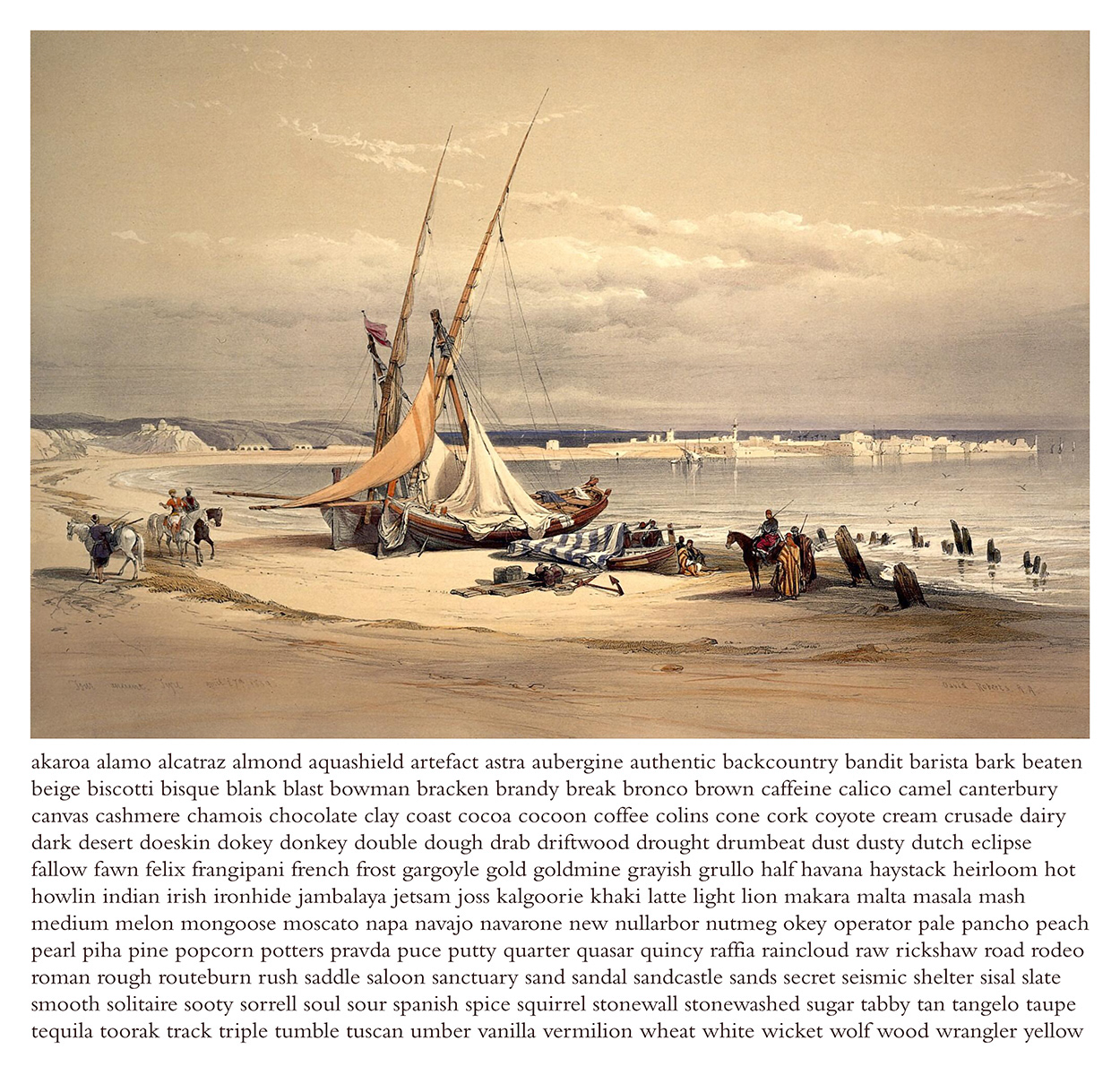
The shore at Sur, ancient Tyre, Lebanon. Coloured lithograph by Louis Haghe after David Roberts, 1843

A nineteenth-century image of ancient Tyre, made by a lithographer working from a painter's sketch of a place neither had been born to. Beneath it, all names of the colours that an AI system recognised as colours within the image that exist in the human language. Three layers of translation, each one certain that it is describing something real.


VII. The Quiet Persistence of Nature
Across the full sweep of the animal kingdom, same-sex behaviour appears with a kind of quiet, almost stubborn regularity. It does not announce itself. It does not constitute a manifesto. It simply persists. Recurring across time, geography, species, and ecological context with the unhurried consistency of something that belongs to nature rather than to any particular historical arrangement.
In over 1,500 documented species, same-sex behaviour has been observed. In Bonobos, where it functions as a means of social bonding and conflict resolution. In Dolphins, where it persists across species and outside any reproductive context; present simply because the capacity is there. In Elephants, who form long and tender same-sex companionships. And in albatross couples. Perhaps the most quietly instructive example of all.
On the islands where albatrosses breed, the ratio runs at roughly four males to every female. A significant demographic imbalance, likely caused by the differential pressures that environmental disruption places on each sex. In response, male albatrosses form same-sex partnerships: long-term bonds, stable and functional, oriented toward the full repertoire of albatross pair behaviour. A recent documentary captured this and, almost in passing, framed it. 
Same-sex pairing, the narrator offered, was preferable to being alone.
Notice what that framing does. In a situation where heterosexual pairing is mathematically unavailable to most males, the same-sex bond is interpreted not as what it plainly resembles, a capacity for pair bonding that does not require the gender binary to be intact, but as a response to deficit. The bond is acknowledged and immediately re-contained. The heterosexual pairing remains the implicit standard. The same-sex bond becomes what you settle for when the real thing is unavailable.
But the data requires no such reading. What it shows is that the capacity was present and that, when circumstances called it forth, it functioned. The bond formed. The partnership held. And the framework, rather than updating itself in response to what it observed, reached for the interpretation that left the observer's assumptions most intact. 
This is the mechanism we have been tracing. Operating not only on texts, notation or vocabulary but on perception itself. The assumption ran too deep to be visible as an assumption. The data that might have opened a question instead closed one: filed under the existing category, the existing story, the existing limit of what nature was permitted to mean. 
Bruce Bagemihl's compendium, Biological Exuberance, documents this across species after species. The assumption of heterosexual normativity shaped not only social science but biology itself. What gets studied, how behaviour gets classified, and what counts as significant data. Behaviours that didn't fit the expected pattern were routinely coded as dominance displays, mistaken identity, or simply left unrecorded. The science was doing what equal temperament did to music, and what the dominant language does to perception: smoothing the anomalous into the available categories, filing the strange under the familiar, and then reading the result back as confirmation of what was always the case.
In human cultures, what changes across time and place is not desire. What changes is the framework that receives it. 
In Polynesian cultures, Fa'afafine, individuals assigned male at birth who embody both masculine and feminine qualities, occupy a recognised, valued social role with its own name and a history as long as the culture itself. The Bissu of Sulawesi are ritual priests understood to embody all aspects of gender simultaneously, their spiritual authority rooted precisely in that wholeness. The Hijra of South Asia, with a documented history dating back to the Kama Sutra and formally recognised in law across the subcontinent in the second decade of this century, represents perhaps the most populous and historically continuous third-gender tradition in the world.
These are not primitive precursors to a more enlightened present. They are different solutions to the enduring human problem of making meaning out of the body. The evidence, accumulated across continents and centuries, that the range of possible answers is wider, far wider, than any single tradition tends to acknowledge. In each case, the difference was not merely tolerated. It was given a name, a role, a social function. It was made legible within the culture's symbolic system. It was, in the most precise sense, preserved.
The question ‘survivorship bias’ opens here is not whether these traditions existed. They did. The question is, what was lost when they were suppressed? What ways of understanding the body and the self disappeared along with the name, the role, and the social space that had held them? We do not fully know. That is precisely the problem. What was foreclosed was not only a set of practices but a set of questions. And without the questions, we cannot begin to imagine what the answers might have been.
The body continues. The interpretation shifts. And the interpretation, over time, begins to feel like nature itself. Until another culture, or another century, or a colony of albatrosses on a windswept Pacific island, quietly declines to confirm the story we have been telling.
────
VIII. Myth, or: When History Forgets Itself
This is where Roland Barthes becomes not just useful but necessary. 
In Mythologies, Barthes describes a process so pervasive it is almost invisible: the transformation of history into nature. Culture takes something contingent. Something built, chosen, contested, arrived at through events that could have gone otherwise, and smooths away the seams. Removes the fingerprints. Makes the constructed feel inevitable, the artificial feel given, and the historical feel eternal.
Myth is not a lie. It operates through something more subtle than falsification: depoliticisation. It takes a statement about what is the case and quietly removes the question of how it came to be that way, and who benefited from it being so. It naturalises. And in doing so, it forecloses, not through argument, but through the far more efficient mechanism of making the alternative literally unimaginable. 
The trimmed biblical canon becomes simply the Bible, as though it arrived whole, as though the councils and political pressures that shaped it were not human events but a kind of divine editing. Equal temperament becomes simply how pitch works. The Leibnizian notation becomes simply calculus. The surviving vocabulary becomes simply language. The light-flooded sky becomes simply night. 
In each case, the operation is identical. A selection presents itself as a given. A choice presents itself as nature. And the thing that was not selected... the Book of Enoch, the directional pitch, the fluxional imagination, the word that named what the dominant language couldn't hold, the darkness in which other figures were visible, disappears not into oblivion but into invisibility, which is more complete.
Nowhere is this more precisely illustrated than in the story of Alfred Kinsey. 
When Kinsey published his findings in the late 1940s, which stated that human sexual behaviour was distributed across a spectrum rather than into binary categories, and that a significant majority of his male sample reported some degree of same-sex experience across their lives, the response was not primarily scientific refutation. It was a political and institutional dismantling. His funding was targeted. His institute was investigated. After his death, the work was systematically marginalised. Not because it had been disproven, but because it was intolerable. It made visible, with the uncomfortable authority of data, the gap between what the culture insisted was natural and what human beings were actually doing in the privacy of their lives.
This is mythologising in action: not the suppression of a false idea, but the suppression of an accurate one. The data didn't fit the story. So the data was made to disappear. And with it disappeared a set of questions that might, had they been permitted to develop, have opened a genuinely different conversation. One grounded in what people actually experience rather than in what the available framework could afford to acknowledge.
The same operation ran through biology itself. For decades, same-sex behaviour in animals was unrecorded, classified as dominance display, or described as an error. The heterosexual assumption was so deeply embedded in the observational framework that contradictory data was rendered invisible before they could challenge the conclusion. Nature had not been confirming the norm. The norm had been written onto nature, and nature had been read back as confirmation. A closed loop, self-reinforcing, impervious to what it was quietly discarding.
What is lost in each of these cases is not only knowledge. What is lost is the question that knowledge might have generated. And questions, once lost, do not automatically return. They require someone to notice their absence, which is difficult, perhaps impossible, when the framework that foreclosed them has successfully presented itself as complete.

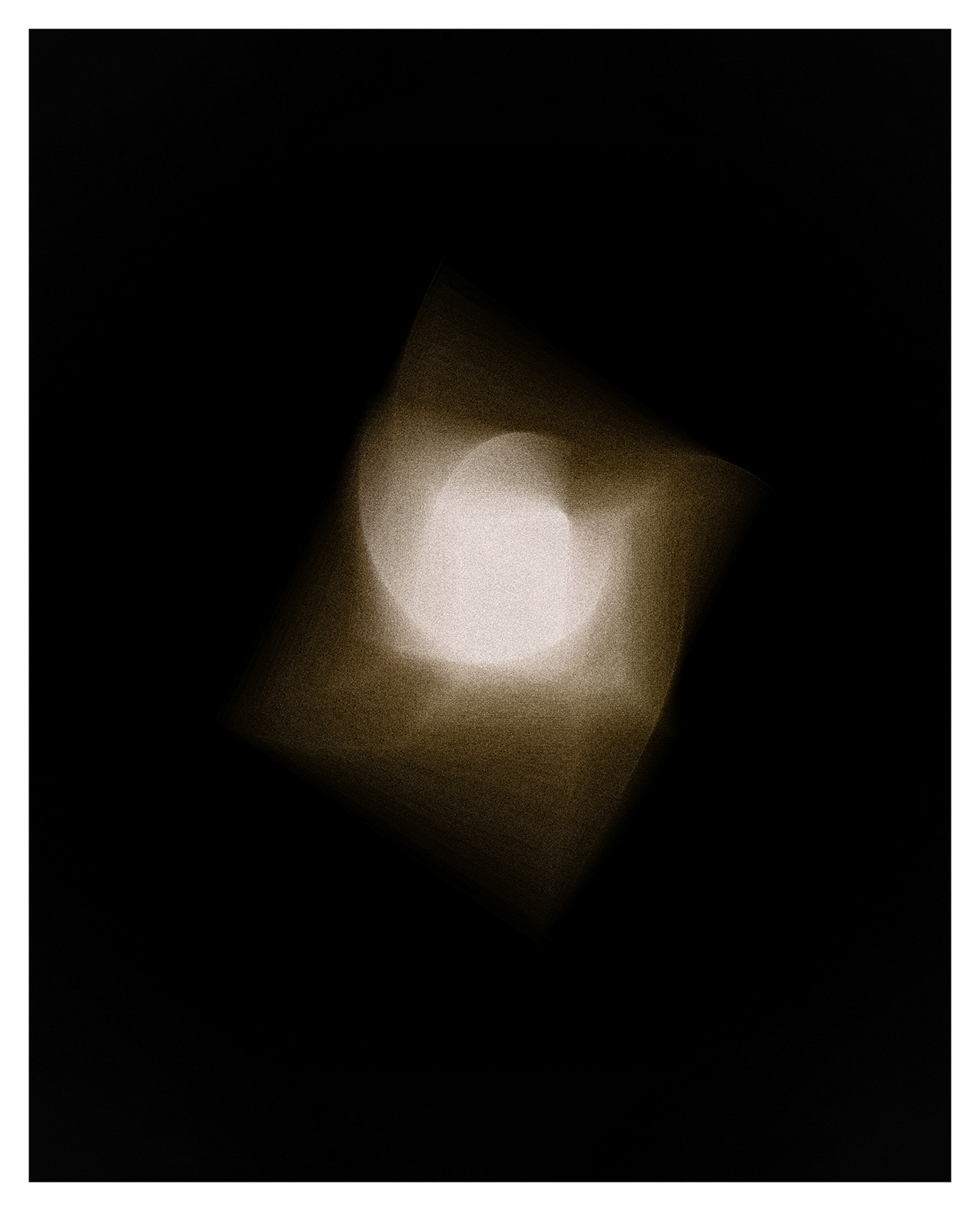
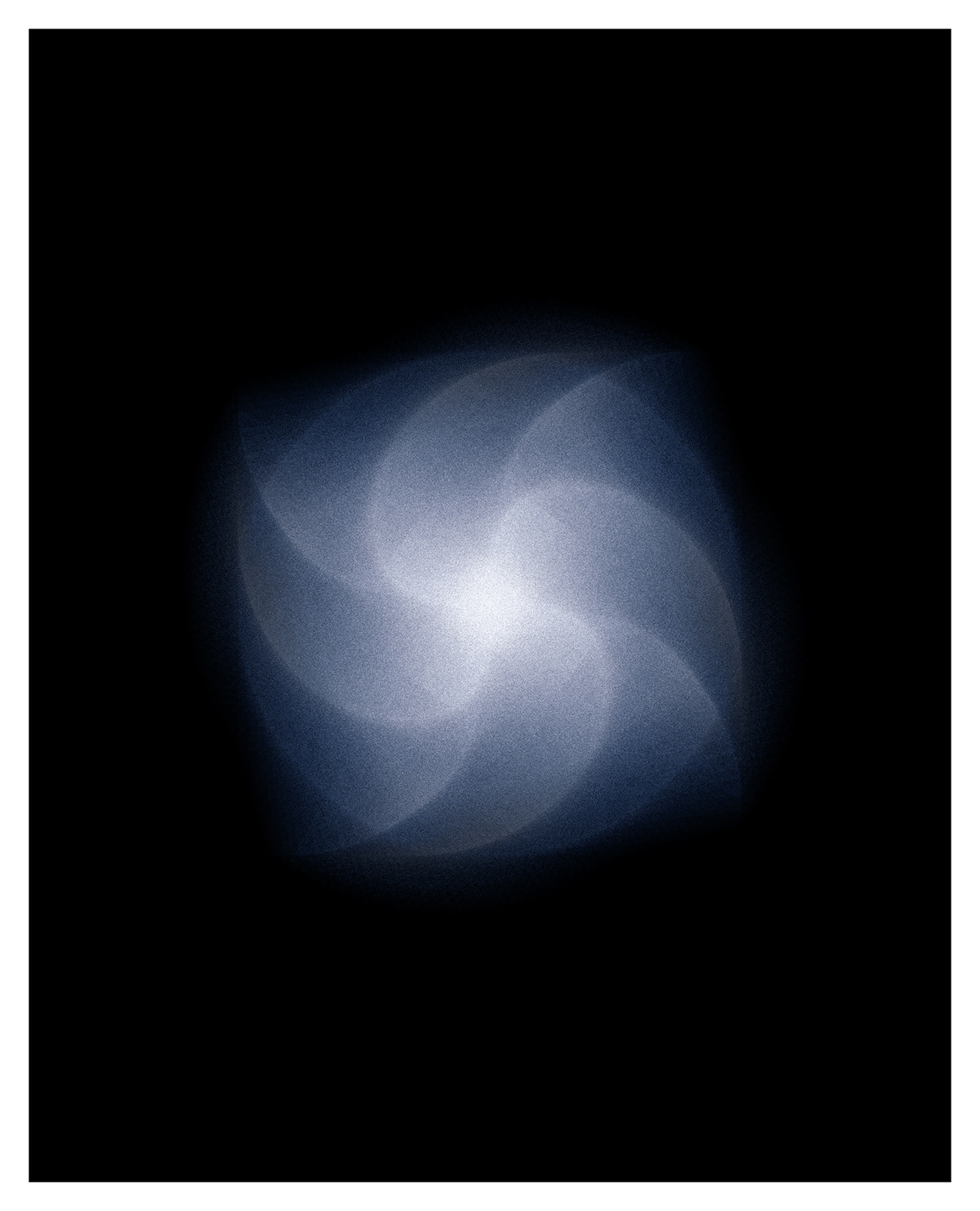
From the 'Thought Form' Series
From left to right: Back to Square One; Harmony; Helter Skelter; Spiral Decay, and The Beyond. Five studies on what happens when a form loses its orientation. The light is still present in each, but the path back to it is no longer clear.

IX. The Wound That Travelled
The narrowing of the Western imagination was not only an internal story. It was an export and, in many places, an imposition enforced by law.
Across the cultures where Fa'afafine, Bissu, Hijra, and Two-Spirit identities had existed for centuries. Integrated, named, socially functional and in many cases spiritually significant. Then colonial administrations arrived with a different framework and the institutional power to enforce it. What had been a recognised human type became a criminal category. What had been a social role became a target of missionary correction. The British Raj's Section 377, criminalising what it called carnal intercourse against the order of nature, was imposed across the subcontinent and carried into dozens of other colonial territories. Victorian English sexual anxiety was written into the legal codes of cultures that had no such category, and no such anxiety, before their arrival. 
This is Barthes's argument, at its sharpest edge. The mythologising of a historically particular framework as natural law was not merely conceptual. It was implemented by force, its consequences borne by people in specific bodies in specific places. And because the framework that caused the loss also shaped the terms in which loss could be recognised, we are still, in many cases, without the language to name what is missing. 
The same dynamic operated, less violently but no less completely, wherever colonial languages displaced indigenous ones. When a community's language was replaced. Be it through missionary education, through administrative requirements, or through the simple economic pressure of needing to speak the dominant tongue, what was lost was not only vocabulary. What was lost was the entire perceptual framework the language had encoded: the cuts it made in colour and weather and kinship and time, the distinctions it had preserved across centuries of attention, the fossil words that carried whole cosmologies inside their syllables. 
The knowledge lost here was not lost to time, drift, or the ordinary entropy of history. It was specifically, deliberately suppressed. The accumulated understanding, embedded in centuries of practice, language and song and the particular way a community had learned to read its sky, was not permitted to survive. And what replaced it presented itself, as it always does, as the natural shape of things.

What survived was what power stabilised. What was lost was what power found inconvenient to preserve. 
That operation, at its most external, required law and institutions. At its most intimate, it required neither. It required only shame.
────
X. Shame as the Mechanism

If myth is the operation by which historical contingency presents itself as natural necessity, shame is the instrument by which that operation is enforced inside the individual body. 
Silvan Tomkins understood shame not as a simple moral emotion but as a fundamental regulatory mechanism: the affect that fires when connection is interrupted, when recognition is withdrawn, when the self reaches toward the world and finds its reaching refused. Shame does not merely respond to transgression. It produces the categories of transgression in the first place. It teaches the body what it is not permitted to want... Not by argument, but by making certain wants feel intrinsically, organically wrong. As though the problem were inside the wanting rather than inside the framework that refuses it.
This is canon narrowing at its most intimate and most efficient. Every other form of exclusion we have traced: the biblical council, the theorist's notation, the colonial law and the documentary narrator's framing required an institution to initiate it and sustain it. Shame requires no such maintenance. Once internalised, it enforces itself. What the shamed body learns not to reach for, not to name. That knowledge disappears as quietly and as completely as any language that was never written down, any word that lost its last speaker, any pitch distinction that was collapsed into a single key and forgotten.
Eve Kosofsky Sedgwick extended this insight to its structural conclusions. The closet, she argued, is not a private arrangement that some people make with themselves. It is a social institution, maintained by and for the majority, that organises what can be known about whom, and under what conditions. It is the epistemology of the Leibnizian notation applied to the self: here is the permitted grammar, here are the variables it can accommodate, here is the range of expressions the system will receive.
José Muñoz called the response to this disidentification: the practice of working on and against dominant scripts simultaneously, finding meaning in the gaps, making liveable space in the cracks of a framework that will not acknowledge you. It is creative and resilient, and it produces remarkable things. But it extracts a cost that should not be romanticised. The energy required to live between who you are and what the framework can receive is energy not available for anything else. And the knowledge generated in those gaps: how to hold complexity, how to maintain integrity under institutional pressure and how to love under conditions designed to make love invisible, rarely makes it into the canon. It lives in the person. It does not get handed on.
The body, meanwhile, continues to need what it has always needed. The Touch Research Institute's comparative studies found that French parents and children engaged in spontaneous physical contact at rates dramatically higher than their American counterparts. American adolescents showed correspondingly higher rates of aggression. The Adverse Childhood Experiences studies found dose-response relationships between childhood disconnection and adult physiological outcomes. Not metaphorical outcomes, but measurable ones: immune function, cardiovascular health, and life expectancy. The body keeps the score. What cannot be processed symbolically, what has no language, no framework, no permission to exist, does not disappear. It is held in the tissue. It expresses itself in the only language remaining when the cultural one has been withdrawn.
Touch is the oldest language. We had it before words. We have withdrawn from it for reasons that seemed, at the time, to be about order and clarity. What they produced was loneliness at the frequency where loneliness is hardest to name, because the deprivation has been coded as strength, the hunger as weakness, and the asking as a risk not worth taking.
────
XI. The Case for the Knot
It would be a mistake, intellectually dishonest, and, finally, too easy, to read all of this only as loss.
The consolidation of frameworks, the standardisation of notation, the simplification of tuning systems, and the development of shared linguistic and moral codes produced something genuinely valuable. Equal temperament made Bach's modulations possible. The Leibnizian calculus built the mathematical infrastructure of the modern world. The narrowing of the canon produced a tradition coherent enough to transmit, to build on, to argue with. Shared meaning. Predictability. The institutional coherence that allows trust to extend beyond the immediate circle of the known. These are not trivial achievements.
There is also a stronger argument, one that deserves to be held rather than merely acknowledged. Some structures of constraint are not simply imposed on human experience but arise from it. From the accumulated understanding of what happens when there is no shared grammar, when every distinction is equally valid, when the self is asked to constitute itself entirely without the support of inherited meaning. The conservative intuition that certain frameworks exist not to diminish human life but to make it liveable, to give it the shared form without which it cannot be communicated or built upon, is not simply wrong. It is sometimes right.
Umberto Eco provides the necessary counterweight to the Barthesian critique. In The Limits of Interpretation, Eco mounts a careful case against the opposite error. Meaning is unstable, yes. Every reading is an interpretation. Every notation reshapes what it encodes. All of this is true. But it does not follow that all interpretations are equal. Texts have structures that resist certain readings. Systems have internal logic that is not simply overridden by the interpreter's desires. Saying that meaning is not fixed is not the same as saying meaning is whatever we wish it to be. 
The tension Eco identifies cannot be dissolved without cost in either direction. A culture that insists on singular meanings becomes brittle and exclusionary, ultimately incapable of accommodating the full range of its own experience. But a culture that abandons shared meaning altogether, treating all frameworks as merely personal, distinctions as arbitrary, all canons as disguised power, loses the connective tissue through which people can understand one another at all. Both are forms of impoverishment. The question is not whether limits have value. It is whether the particular limits we have inherited are the right ones, or whether they have calcified around the anxieties of a specific historical moment and mistaken those anxieties for permanent truth.
A culture that knows what it has chosen, and what it has thereby excluded, is in a fundamentally different position from one that has mistaken its choices for nature. The first can choose differently when different choices are needed. The second cannot. It doesn't know there are any.

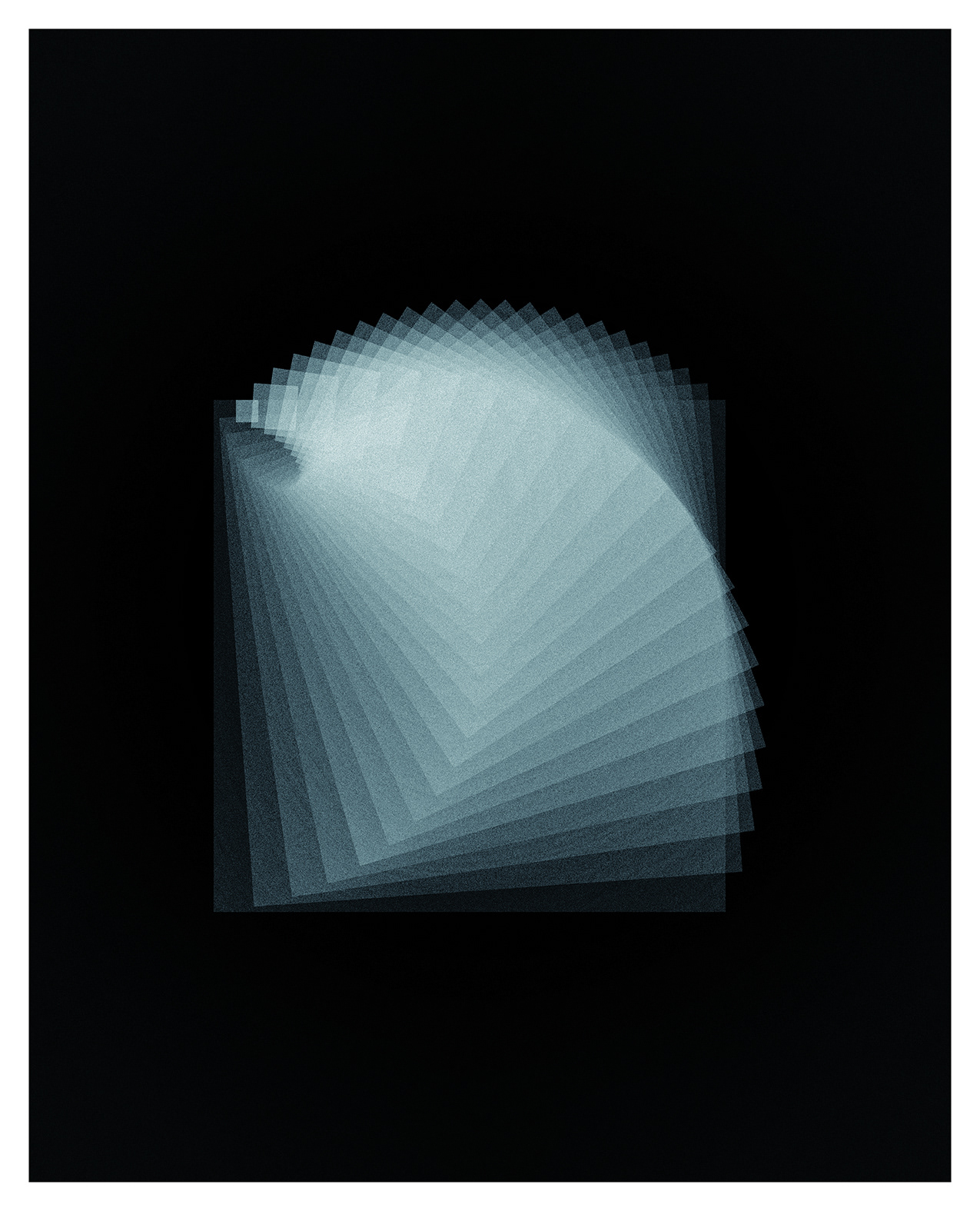
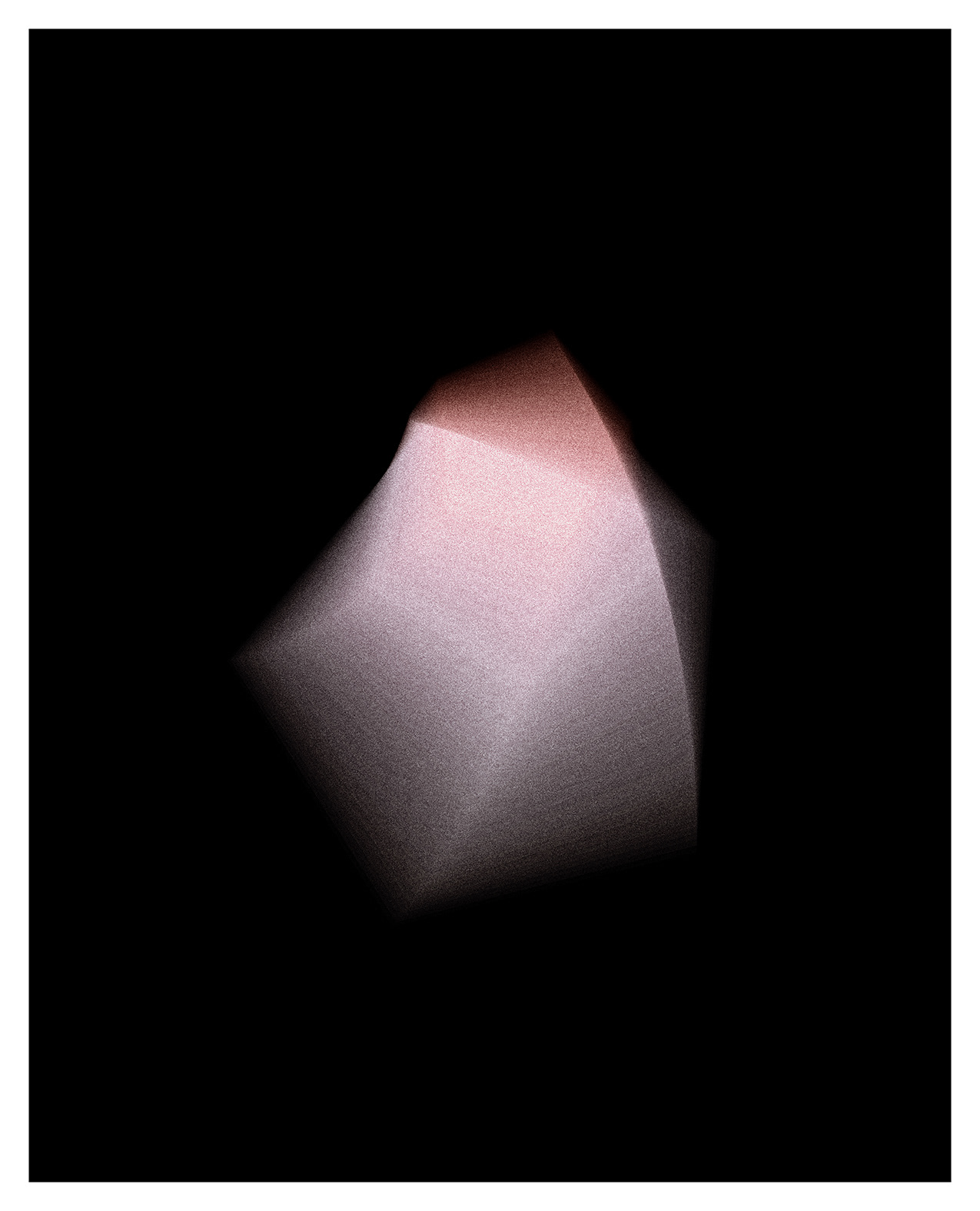
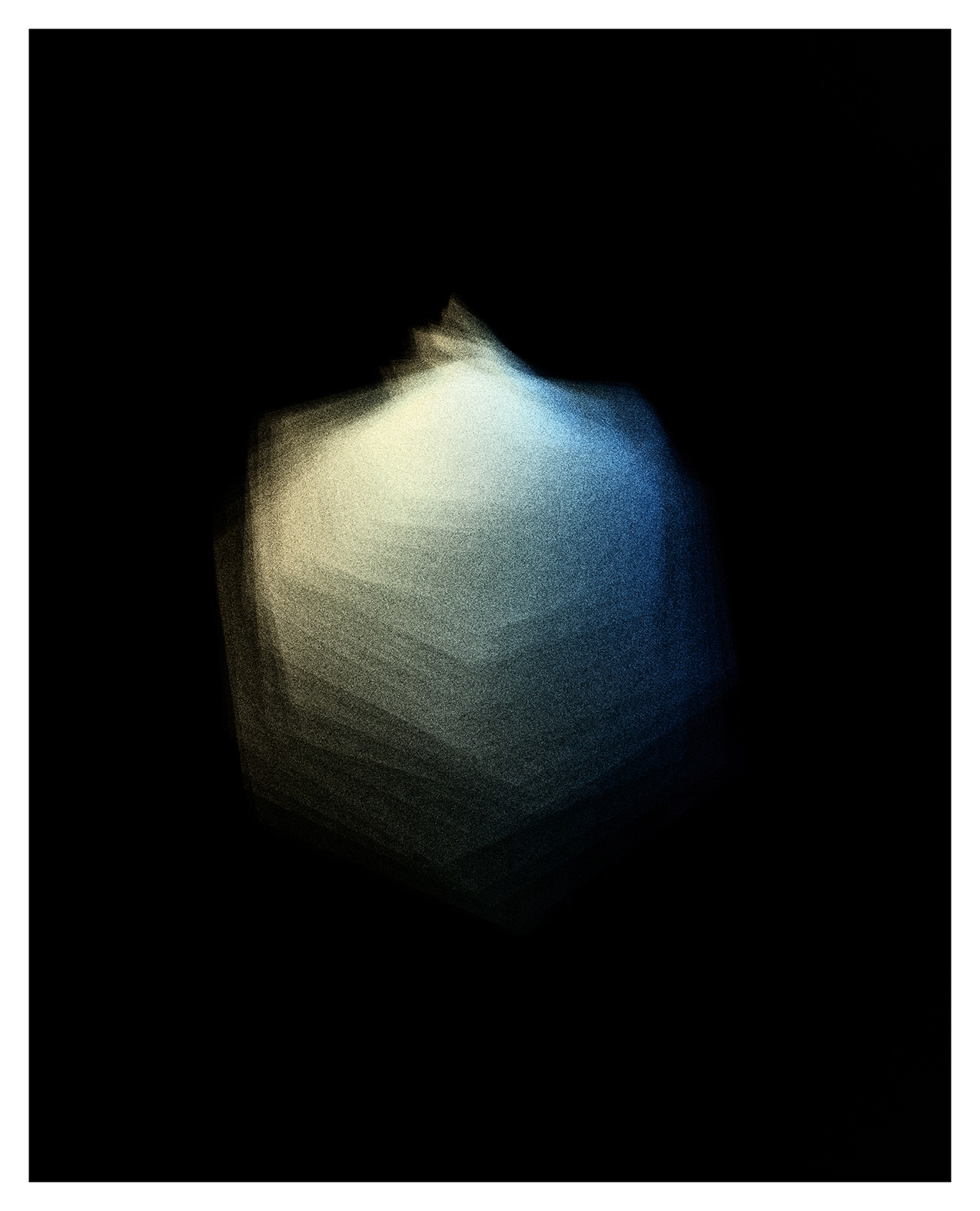
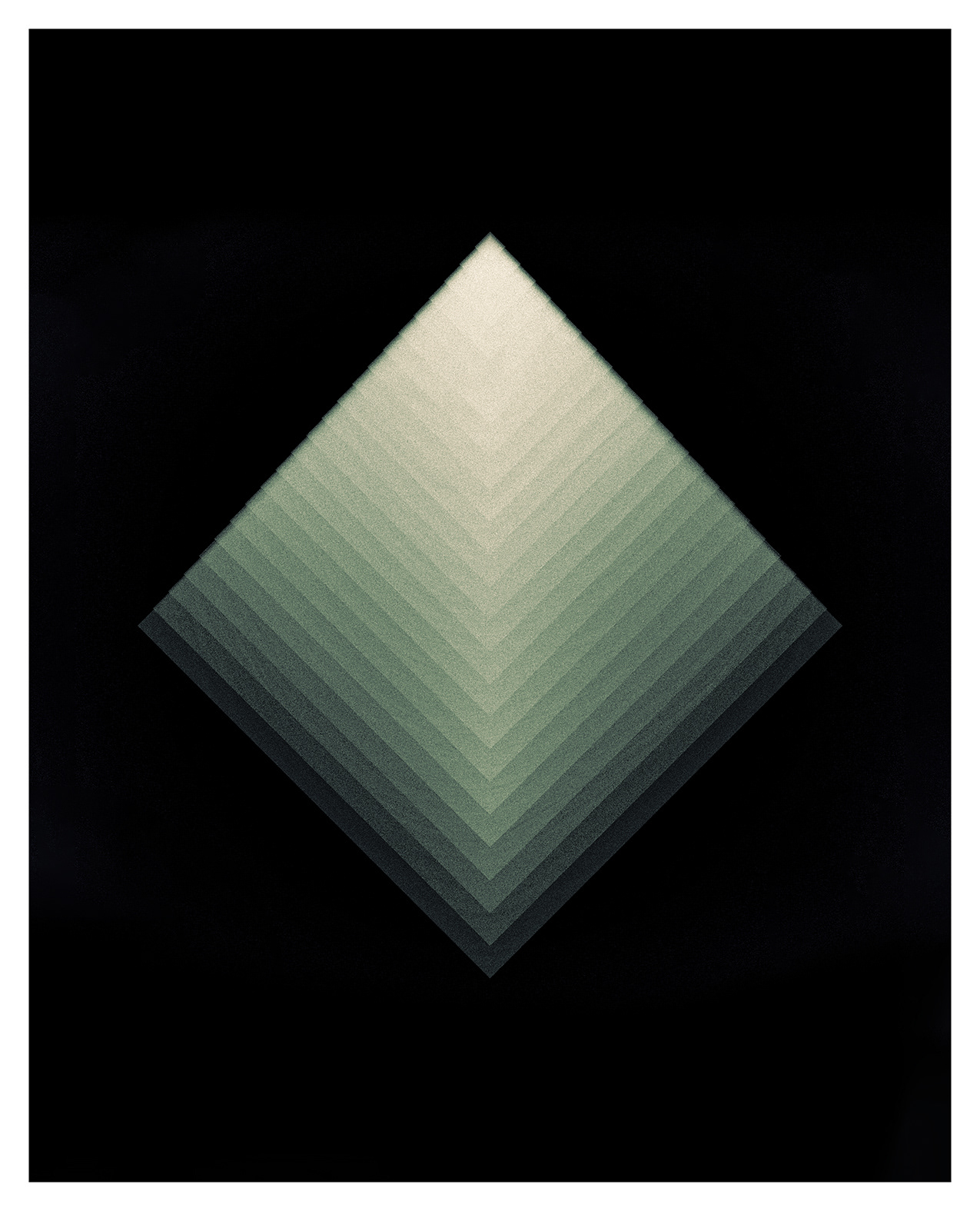
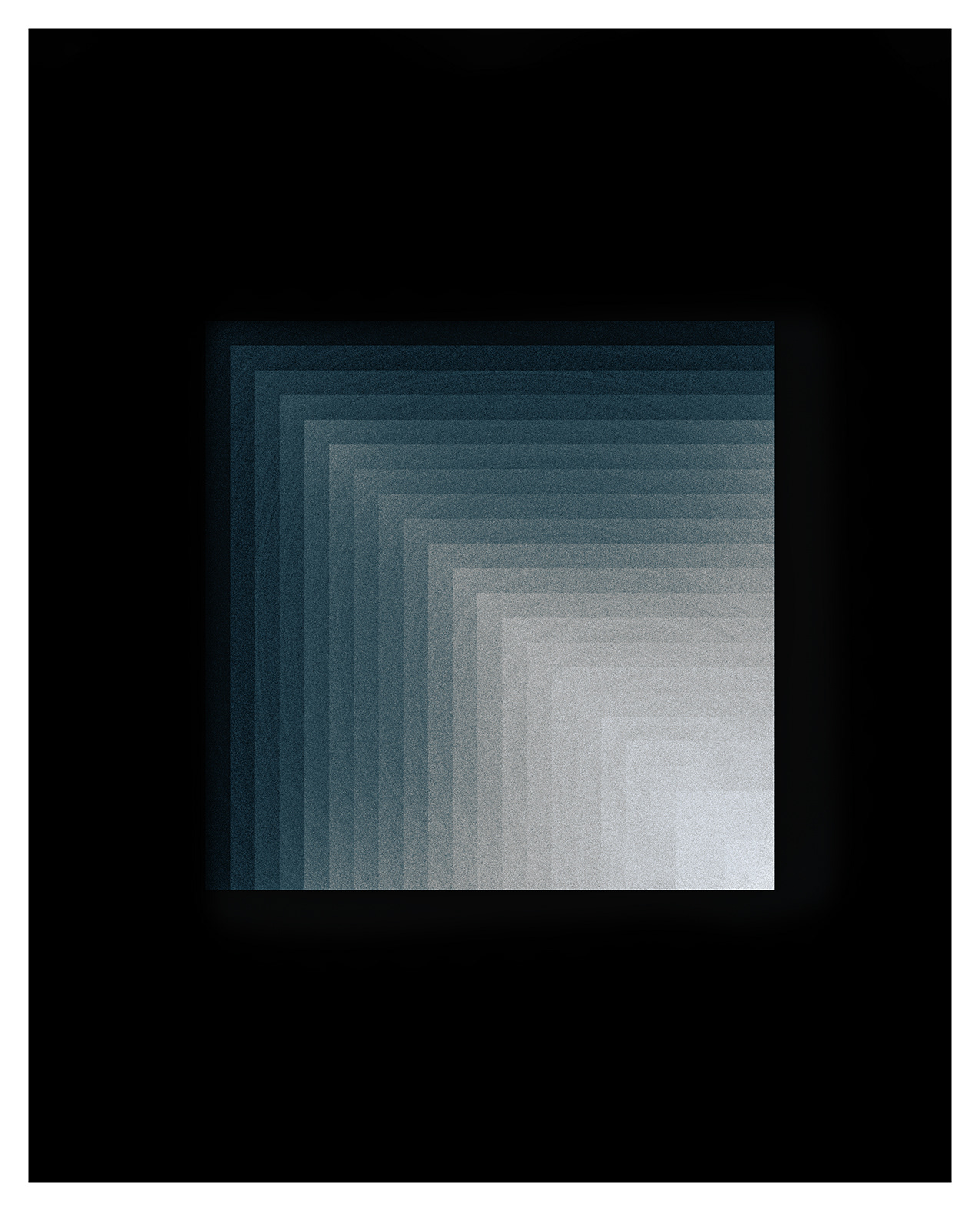
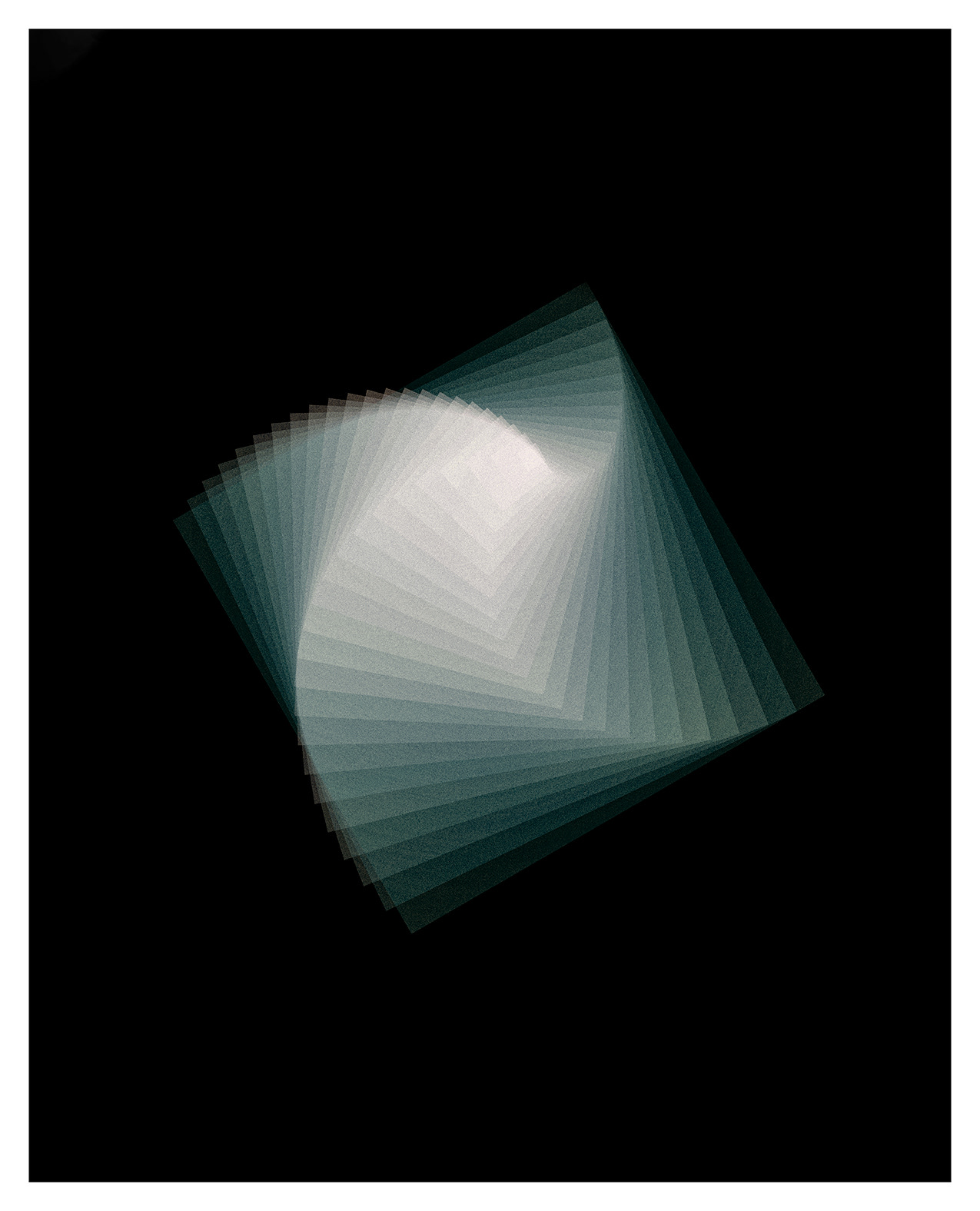
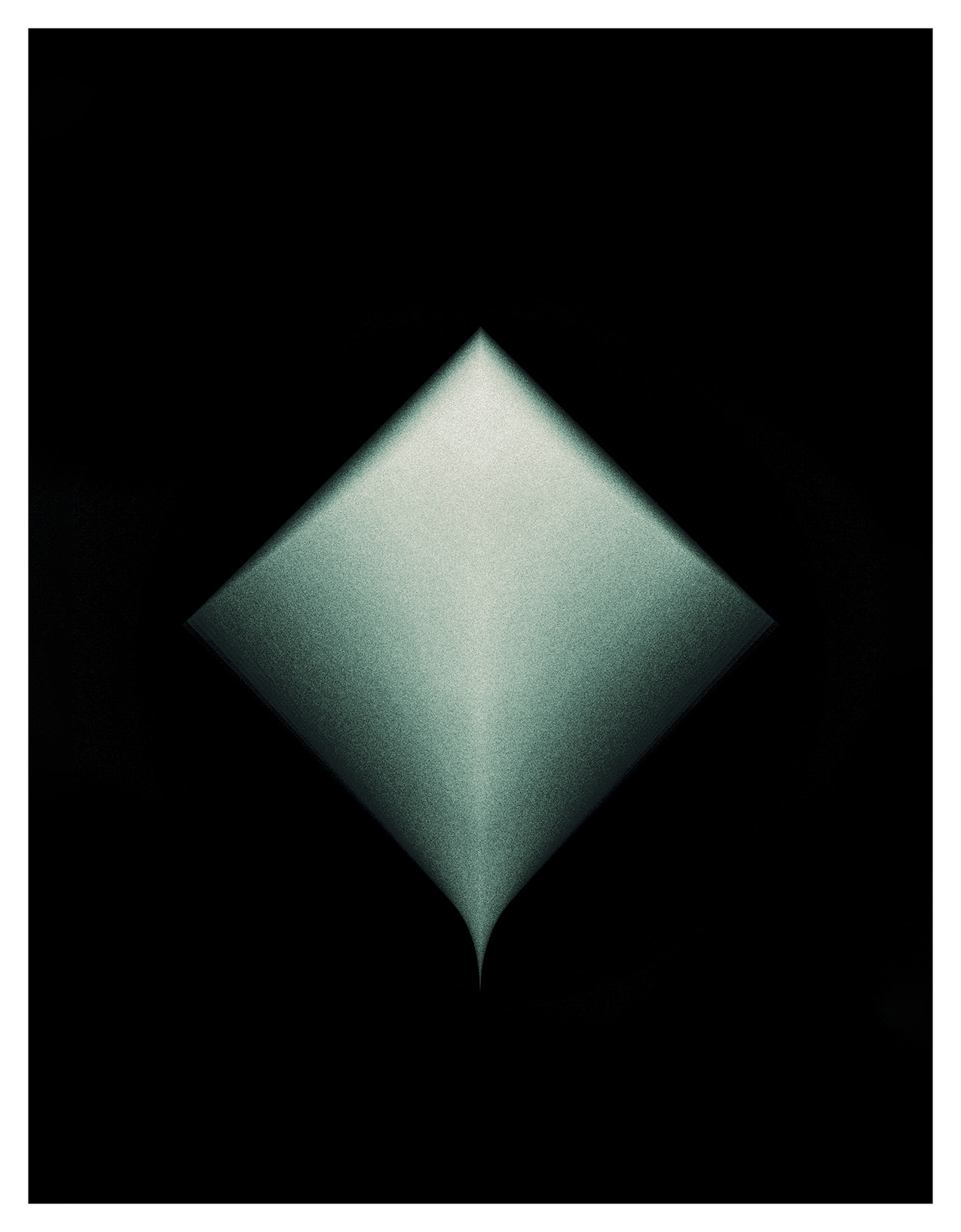
From the 'Thought Form' Series
From left to right: Armadillo Rising; Diminishing Returns; Steps of Growth; Stingray; and The Heart of Things. Geometric forms emerging from black through graduated steps. Each layer, a small addition to what preceded it. The structure is legible. What it is building toward remains, deliberately, just out of reach.

XII. What Survives
A pattern runs through all of this, and it is worth naming plainly. 
What survives is not always what is most true, most good, or most beautiful. It is what is most stabilised... What found institutional support, political patronage, the inertia of repetition, and the self-reinforcing logic of the canonical. The Book of Enoch survived in Ethiopia because the Ethiopian Church chose to preserve it, made the argument, held the ground, and maintained the strange layered cosmos against the pressure toward simplicity. Equal temperament survived because keyboard manufacturers needed it, music publishers standardised around it, and conservatories taught it until it became the only tuning most musicians had ever heard. Leibniz's notation survived because it was more portable, more teachable, and more useful across a wider range of domains than Newton's fluxional alternative.
The power here is not a conspiracy. It is the force that determines what gets copied, what gets carried forward, and what gets handed to the next generation as the shape of the real. It operates through economics, institutions, and the accumulated weight of what has already been chosen. And what it produces, reliably, is a world that presents itself as inevitable, in which the surviving notation feels like mathematics itself, the surviving tuning feels like acoustics itself, the surviving vocabulary feels like language itself, and the surviving frameworks for understanding nature, the body, and desire feel like nature itself.
This is the part that contains whatever hope this essay offers. What disappears is not always gone. When what has been made difficult to say, uncomfortable to name, invisible within the available frameworks. When something no longer has a name, it disappears from the collective consciousness.
But the thing itself persists beneath the silence...
The harmonic direction that equal temperament collapsed into a single key remains audible to trained ears in traditions that never adopted the compromise. The perceptions that dying languages name are still available to anyone who encounters the experience they describe. They simply become harder to hold and share, and they cannot accumulate. The darkness in which the emu was visible is still there, in the places where the light has not yet reached. The stars are still burning. The albatrosses are still pairing. The body still needs what it has always needed.
What changes, across centuries and domains, is not the depth of these capacities. What changes is whether a given culture has developed the capacity to receive them. To give them form, to make space for what persists without being destabilised by the acknowledgement of it. 
We are not there yet. We do not fully know what was lost. We are still working with frameworks too narrow to let us feel the shape of the absence. The naturalist's framing of the albatross bond prompts a question she does not quite ask. The fossil word disaster sits in the dictionary, carrying a cosmos that the dictionary's own apparatus cannot accommodate. The black key on the piano is one thing where it was once two, and the single key cannot feel its own flatness. 
These are not answers. They are the first signs of a question beginning to form.
────
XIII. The Work of Better Questions
Keats called it negative capability: the capacity to remain in uncertainty and doubt without an irritable reaching after fact and reason. He meant it as a description of the poetic imagination. But it is equally a description of a civic and personal maturity... The ability to stay present in complexity without the compulsion to resolve it prematurely into something more comfortable. To sit with what is not yet known, and let that sitting be productive rather than merely anxious.
This capacity has a lineage. It runs through Keats' letters, through Wilfred Bion's psychoanalytic insight that the ability to tolerate not-knowing is the precondition of genuine thought rather than its obstacle, through Martha Nussbaum's patient argument that the emotions are not noise in the system of reason but a form of it:- that genuine attention to the particular, compassion that does not flatten what it touches, is a cognitive achievement as rigorous as any other. It runs through James Baldwin, who did all of this. The canon, the body, desire, the politics of who is permitted to be fully human, in the essay form, at the highest level, without flinching and without simplifying. Who understood, better than almost anyone, that the questions a society refuses to ask are the most important evidence of what it has lost.
The prior work has direction, and it begins simply. With the willingness to notice when a framework presents itself as nature. To ask, when something feels inevitable, who chose it, and when, and what was displaced by the choosing. To hear the narrator say that it is preferable to being alone, and then feel the question that the words are quietly avoiding. To look at the single black key and try to hear the two pitches it replaced. To read the word disaster and feel, however faintly, the stars moving behind it.
It begins with better questions, not with answers. The demand for premature answers is itself one of the ways the narrowing perpetuates itself. But with questions capacious enough to hold what the available frameworks have been too small to contain.
What was there before the canon closed? What perceptions did the lost language make possible that no surviving language has yet found a way to name? What would music sound like if the compromise had never been made? What would a mathematics of flow have taught us about change that a mathematics of difference could not? What figures are visible in the darkness we have filled with light? 
What would it take to build a culture capable of holding those questions, without reaching immediately for the answer that restores comfort?
The frame hardens, softens, breaks, and is rebuilt. History edits the permissions. 
What persists... the harmonic pull, the fossil word, the body's long memory, the hunger that outlasts every system built to contain it. It is not waiting for permission.
It is already here. It has always been here. 
We are deciding, in every generation, whether we are capable of knowing that.
And perhaps the most human thing, the most hopeful thing, is that the question keeps returning. That the albatrosses keep pairing. That someone, somewhere, always keeps the Book of Enoch. That a child asks what a word means? The asking itself is the beginning of recovery. That the darkness, in the places where it still exists, still shows what it always showed... the emu stretched across the sky, drawn not in light but in the shapes of its absence, visible only to those who have learned to wait.
The question is not lost. It is waiting for a generation willing to ask it fully. 
We might be getting closer.

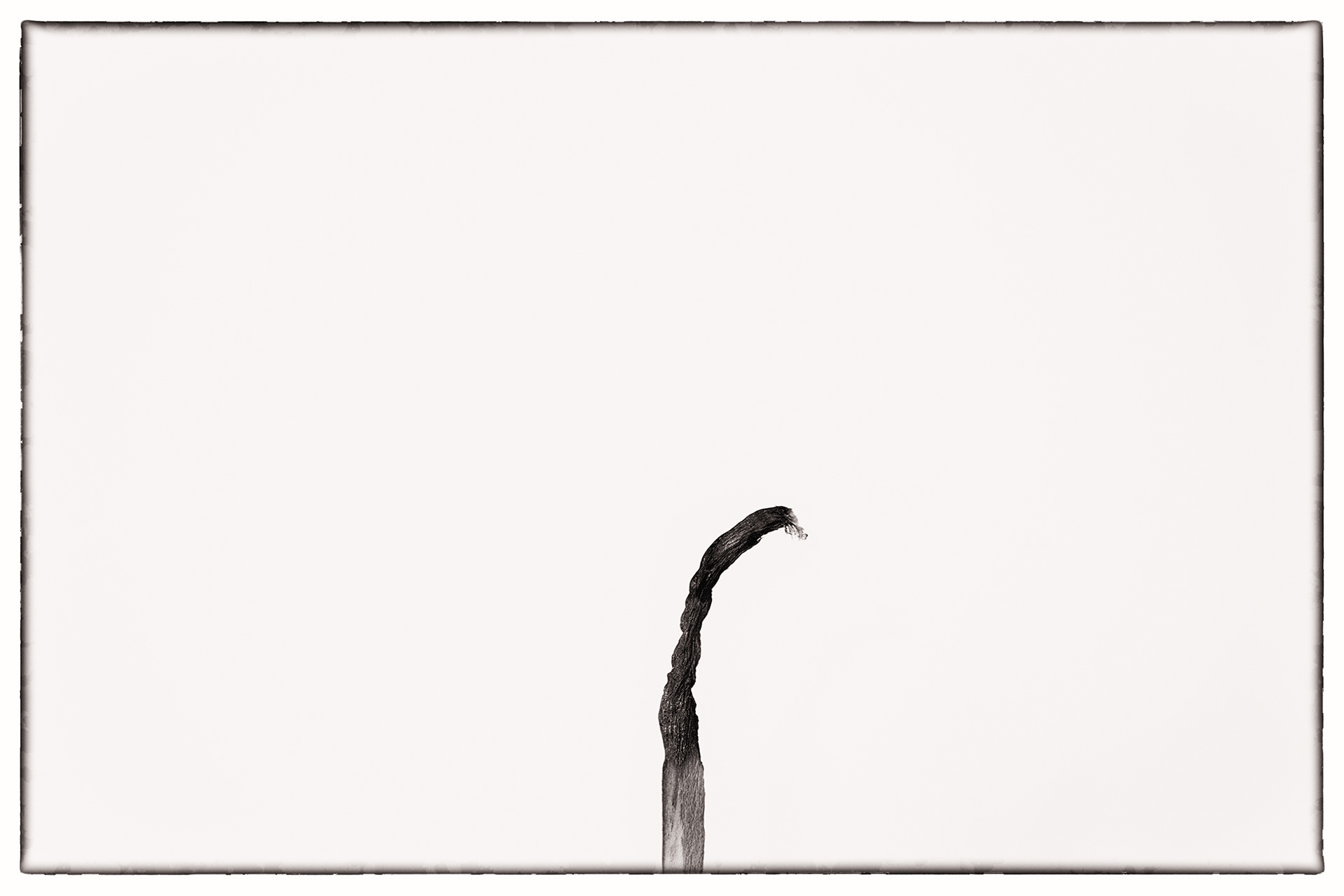
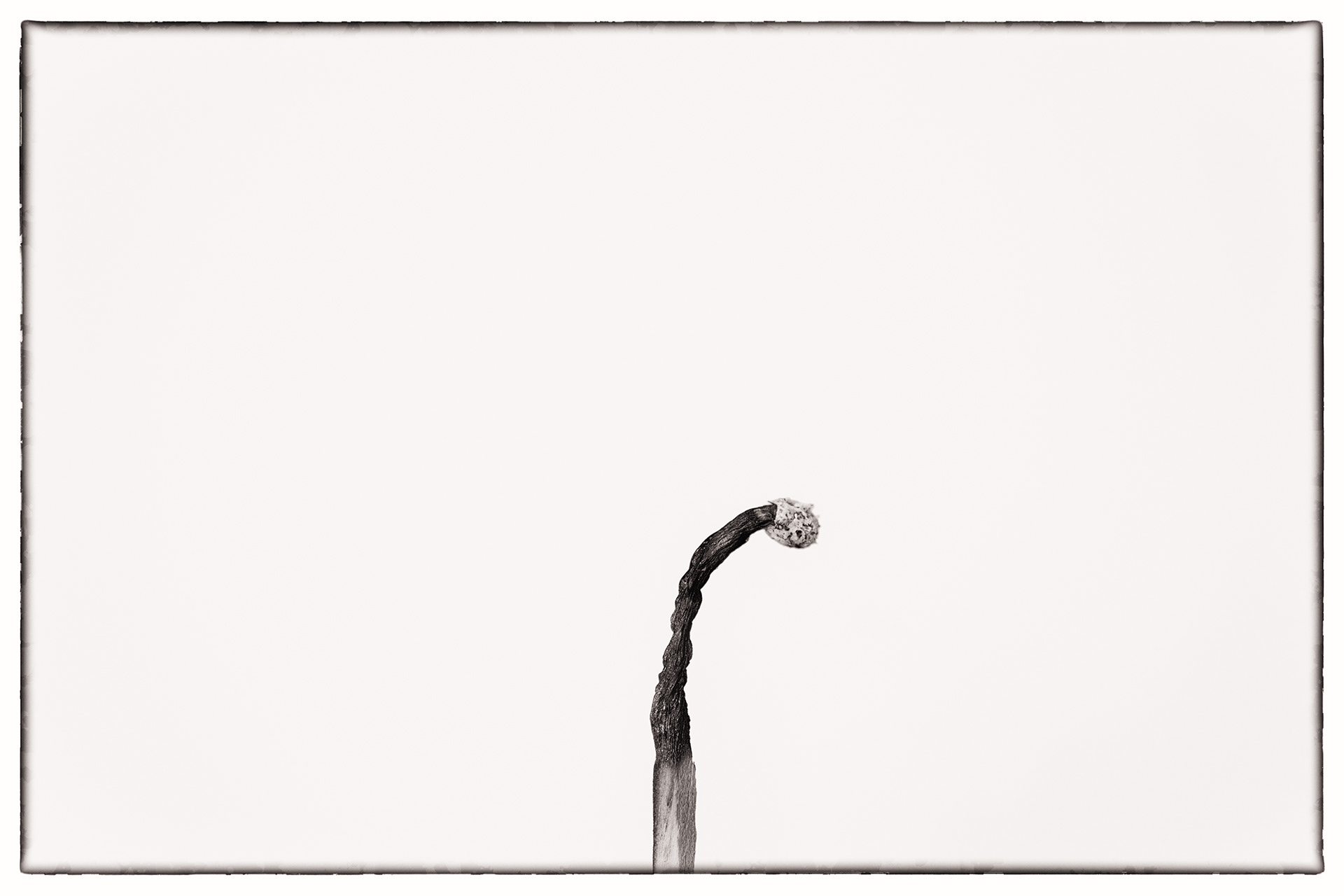
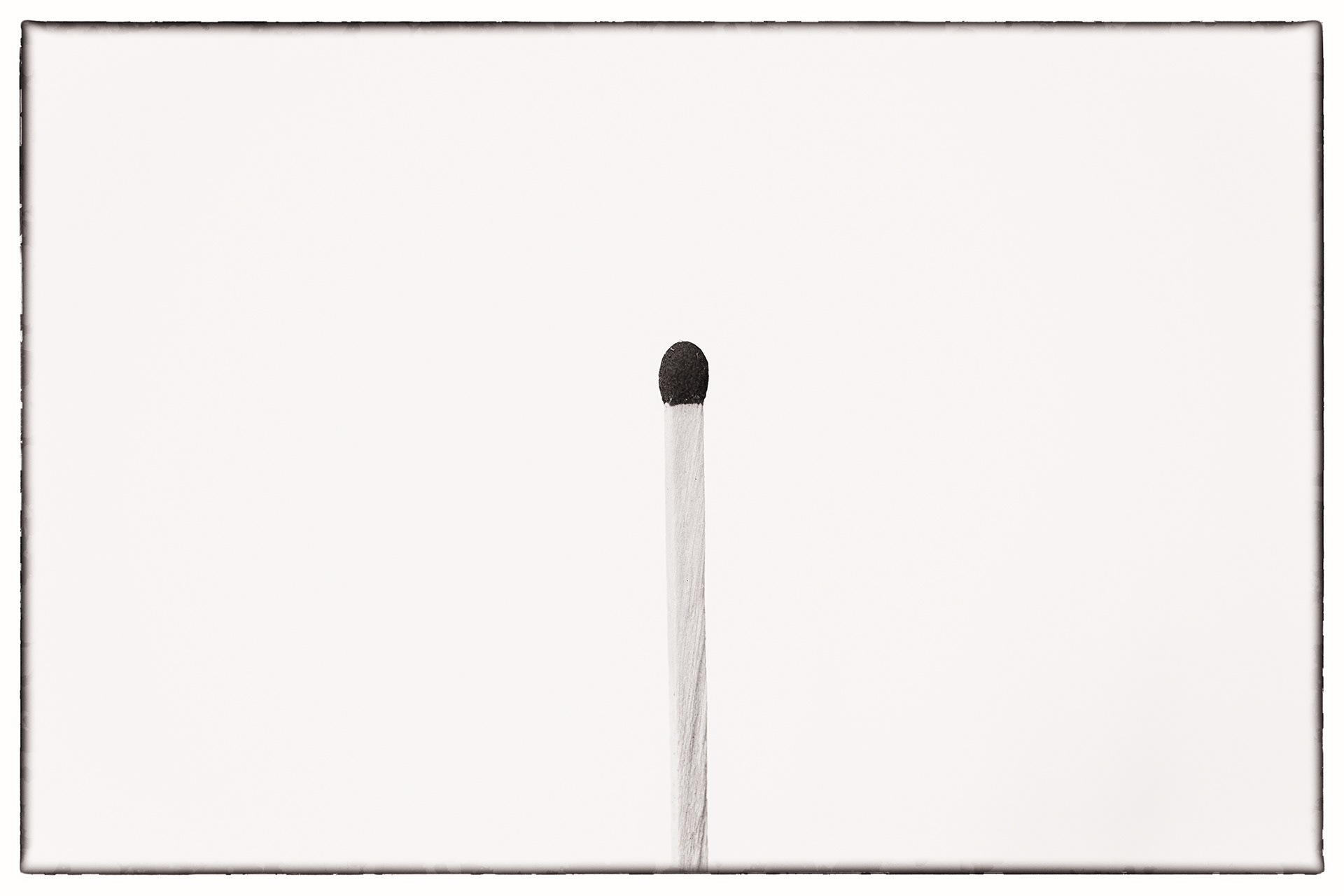
'Match Triptych'
More Burnt. Burnt. Unlit... The sequence runs backwards, from what remains after the flame, toward the thing that has not yet been struck. What the essay has traced arrives here: not as recovery, but as the persistent fact of potential. 

────

Conversations... Compass Dreaming for the Mind
The words above and the fable below were written in the company of others. The thinking is not solitary; the ideas are shaped by those who have come before. What you are reading are conversations between myself, my work, and wider fields of thought. In Roland Barthes’ words, the text is a “tissue of quotations,” even when those quotations remain unspoken.

Reading List: A tad long, but a lot of ground was covered. 
The Archive, the Canon, and Survivorship
     Roland Barthes (1957) Mythologies
     Roland Barthes (1980) Camera Lucida.
     Umberto Eco (1962) The Open Work.
     Umberto Eco (1990) The Limits of Interpretation.
     Susan Sontag (1966) Against Interpretation.
     Bart Ehrman (2003) Lost Christianities.
     Elaine Pagels (1979) The Gnostic Gospels.
     James VanderKam (2001) An Introduction to Early Judaism.
     Various (c. 3rd–1st century BCE) The Book of Enoch. 
Language, Perception, and the Words We Lost
     Daniel Everett (2012) Language: The Cultural Tool.
     Guy Deutscher (2012) Through the Language Glass.
     Lera Boroditsky (Feb. 2011) "How Language Shapes Thought",  
        Scientific American
     Nicholas Evans (2009) Dying Words
     David Crystal (2000) Language Death.
     Wade Davis (2009) The Wayfinders.
     Walter Ong (1982) Orality and Literacy.
Music, Tuning, and the Grammar of Harmonic Intention
     Stuart Isacoff (2001) Temperament.
     Ross Duffin (2007) How Equal Temperament Ruined Harmony.
     Anthony Storr (1992) Music and the Mind.
     Victor Zuckerkandl (1956) Sound and Symbol.
     Kay Kaufman Shelemay (2001) Soundscapes.
Notation, Mathematics, and the Imagination of Change
     Ivor Grattan-Guinness (1997) The Norton History of the Mathematical 
        Sciences.
     Amir Alexander (2014) Infinitesimal.
     Brian Rotman (1987) Signifying Nothing.
     Philip Davis & Reuben Hersh (1981) The Mathematical Experience.
     George Lakoff & Rafael Núñez (2000) Where Mathematics Comes From.
Light, Darkness, and the Sky We Made Ourselves
     Paul Bogard (2013) The End of Night.
     Robert Macfarlane (2007) The Wild Places.
     Duane Hamacher (2022) The First Astronomers.
     Richard Louv (2005) Last Child in the Woods.
     Byung-Chul Han (2012, Eng. trans. 2015) The Transparency Society.
Colour, Perception, and the Cut the Word Makes
     Guy Deutscher (2010) Through the Language Glass.
     Maggie Nelson (2009) Bluets.
     Philip Ball (2001) Bright Earth.
     David Batchelor (2000) Chromophobia
     John Gage (1993) Colour and Culture.
     Jules Davidoff (1991) Cognition Through Color.
     John Berger (1972) Ways of Seeing.
Nature, Desire, and the Persistence of the Body
     Bruce Bagemihl (1999) Biological Exuberance.
     Joan Roughgarden (2004) Evolution's Rainbow.
     Frans de Waal (1997) Bonobo: The Forgotten Ape.
     Michel Foucault (1976–1984) The History of Sexuality Vols. I–III.
     David Halperin (1990) One Hundred Years of Homosexuality.
     Thomas Laqueur (1990) Making Sex.
     Anne Fausto-Sterling (2000) Sexing the Body.
     Alfred Kinsey (1948) Sexual Behavior in the Human Male.
     Jonathan Gathorne-Hardy (1998) Sex the Measure of All Things.
Cultural Diversity and Third-Gender Traditions
     Will Roscoe(1998) Changing Ones.
     Serena Nanda (2000) Gender Diversity.
     Margaret Mead (1935) Sex and Temperament in Three Primitive Societies.
     Gilbert Herdt, ed. (1994) Third Sex, Third Gender.
Myth, History, and the Naturalisation of the Contingent
     E. Anthony Rotundo (1993) American Manhood.
     Margaret Wertheim (1995) Pythagoras' Trousers.
Colonial Frameworks and the Export of Norms
     María Lugones (2003) Pilgrimages = Peregrinajes : theorizing coalition against
        multiple oppressions.
     Oyèrónkẹ́ Oyěwùmí (1997) The Invention of Women.
     Frantz Fanon (1952) Black Skin, White Masks.
     Ngũgĩ wa Thiong'o (1986) Decolonising the Mind.
     Linda Tuhiwai Smith (1999) Decolonizing Methodologies.
Shame, the Body, and the Transmission of Loss
     Silvan Tomkins (Vol 1. 1962– Vol 4. 1992) Affect Imagery Consciousness.
     Eve Kosofsky Sedgwick (1990) Epistemology of the Closet.
     Eve Kosofsky Sedgwick (2003) Touching Feeling
     José Muñoz (1999) Disidentifications.
     Lauren Berlant (2011) Cruel Optimism.
     Tiffany Field (2001) Touch.
     Bessel van der Kolk (2014) The Body Keeps the Score.
     Vincent Felitti & Robert Anda (1998) "The Relationship of Adverse Childhood
        Experiences to Adult Health"  American Journal of Preventive Medicine.
     Matthew Lieberman (2013) Social.
Imaginative Capacity, Negative Capability & Better Questions
     John Keats (1848, posthumous) Letters.
     Wilfred Bion (1962) Learning from Experience.
     Martha Nussbaum (2001) Upheavals of Thought.
     Iris Murdoch (1970) The Sovereignty of Good.
     James Baldwin (1955) Notes of a Native Son.
     James Baldwin (1963) The Fire Next Time.
     Hannah Arendt (1951) The Origins of Totalitarianism.
     Rowan Williams (1989) "The Body's Grace" in Theology and Sexuality
     Georges Bataille (1957; Eng. trans. 1986) Erotism: Death and Sensuality.
Some works in the reading list speak directly to more than one section of the essay, and they are listed where they first become relevant.

Some Notes on How the Bible Was Decided

The Ethiopian Orthodox Tewahedo Bible (c. 3rd century BCE – 4th century CE) contains 81 books, including the Book of Enoch.
The Muratorian Fragment, the oldest known list of New Testament books (c. 160–200 CE), was discovered in the Ambrosian Library in Milan and published in 1740 by Ludovico Antonio Muratori. 
The Codex Sinaiticus (c. 400 CE), a manuscript of the Christian Bible, was discovered in 1844 at St. Catherine's Monastery in the Sinai Peninsula by Constantin von Tischendorf. 
The Catholic Canon developed across several centuries of councils. The Council of Hippo (386 CE) established a list of 46 Old Testament and 27 New Testament books. The Council of Carthage confirmed the same list in 397 CE and submitted it to Rome for approval. Pope Innocent I formalised it in 405 CE. The Second Council of Nicaea accepted it in 787 CE. The Council of Florence ratified it in 1441. It was made officially binding at the Council of Trent in 1550. 
In the mid-1450s, Johann Gutenberg and his partner Johann Fust published more than 150 large-format copies of the Bible in Latin in Mainz. The Gutenberg Bible, based on St. Jerome's Latin Vulgate prepared by biblical scholars in Paris in the 13th century. It was printed before the Council of Trent. The Church did not recognise the Gutenberg Bible. 
In 1517, Martin Luther proposed the Ninety-Five Theses. By then, printing presses were operating throughout Germany and much of Europe. As an aside... Print technology didn’t cause the Reformation, but the Reformation probably could not have happened without it. Before the 16th century and the Reformation, the Catholic Church dominated Europe, controlling the dissemination of ideas and information. 
The King James Version, commissioned in 1604 and published in 1611 for the Church of England and Scotland, contained 80 books: 39 of the Old Testament, 14 Apocrypha, and 27 of the New Testament. It included no commentary by order of King James, unlike its predecessor, the Geneva Bible. The Geneva Bible, sometimes known by the sobriquet Breeches Bible, is an early modern English Protestant Bible translation. It is one of the most historically significant translations of the Bible into English, preceding the Douay-Rheims Bible by 22 years and the King James Version by 51 years. 
The New King James Version was commissioned in 1975 by Thomas Nelson Publishers and drew on recent scholarship, including the Muratorian Fragment and the Codex Sinaiticus. To my knowledge, the Muratorian Fragment and the Codex Sinaiticus are viewed by the Catholic Church as historical documents only, and have not been used to inform their version of the Bible. 
In 1946, the National Council of Churches convened the Revised Standard Version committee to modernise the Bible for contemporary readers. Two Greek words — arsenokoitai and malakoi — were combined and translated as homosexual. David Fearon, a seminary student, wrote to the translation committee in 1959, raising concerns about the translation. The committee revised it in 1971. The National Council of Churches had already adopted the translation before the 1971 revision. The revision replaced "homosexual" with "sexual perverts", and while still not true to the original Greek, it was not as bad as "homosexual" as a translation. The mistranslation had also already been adopted by other printers globally. This has led to ongoing discussions within church communities, including bishops' councils, regarding the interpretation of biblical texts related to LGBTQ+ issues. The recent documentary 1946 examines this translation decision and its consequences.
────

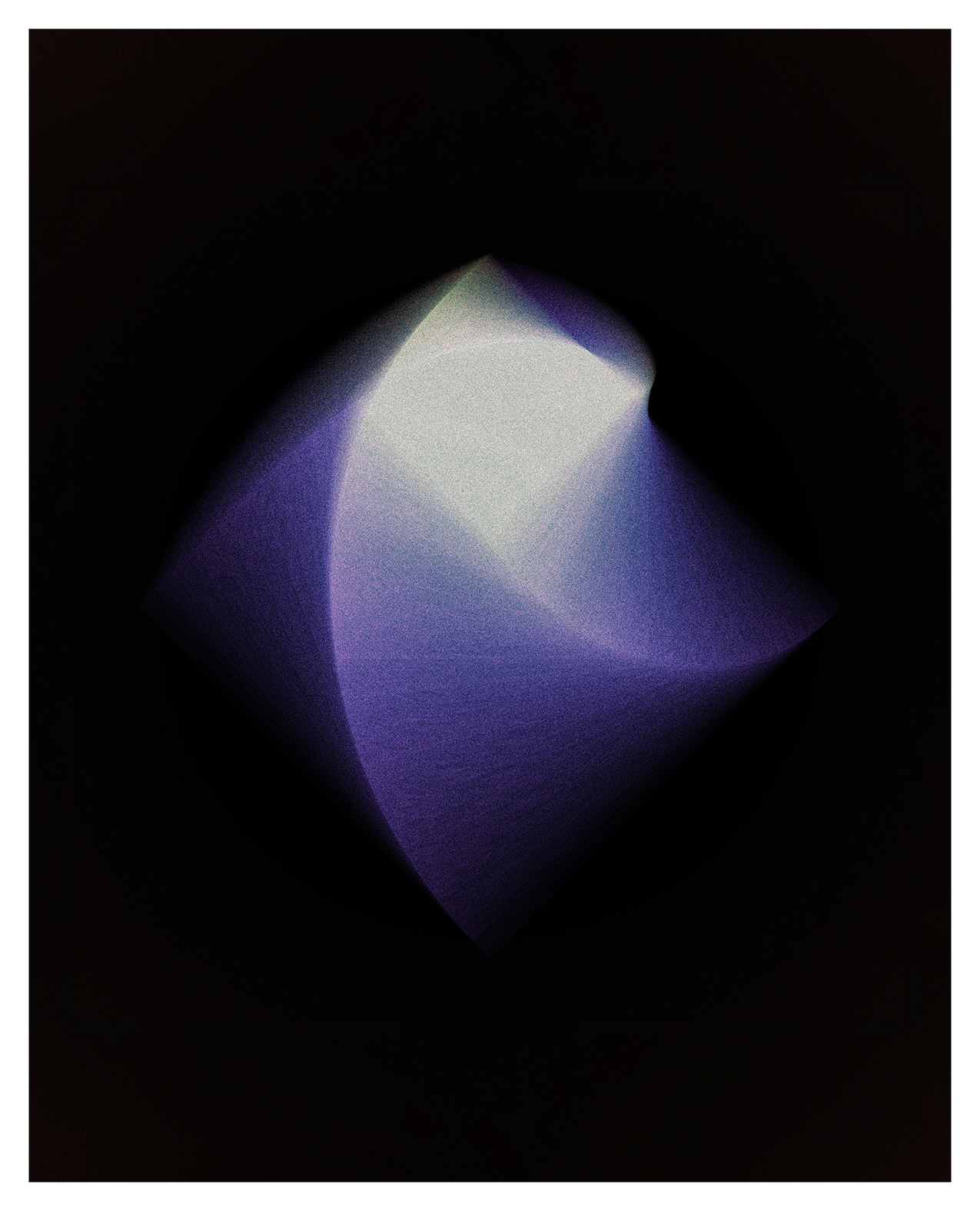
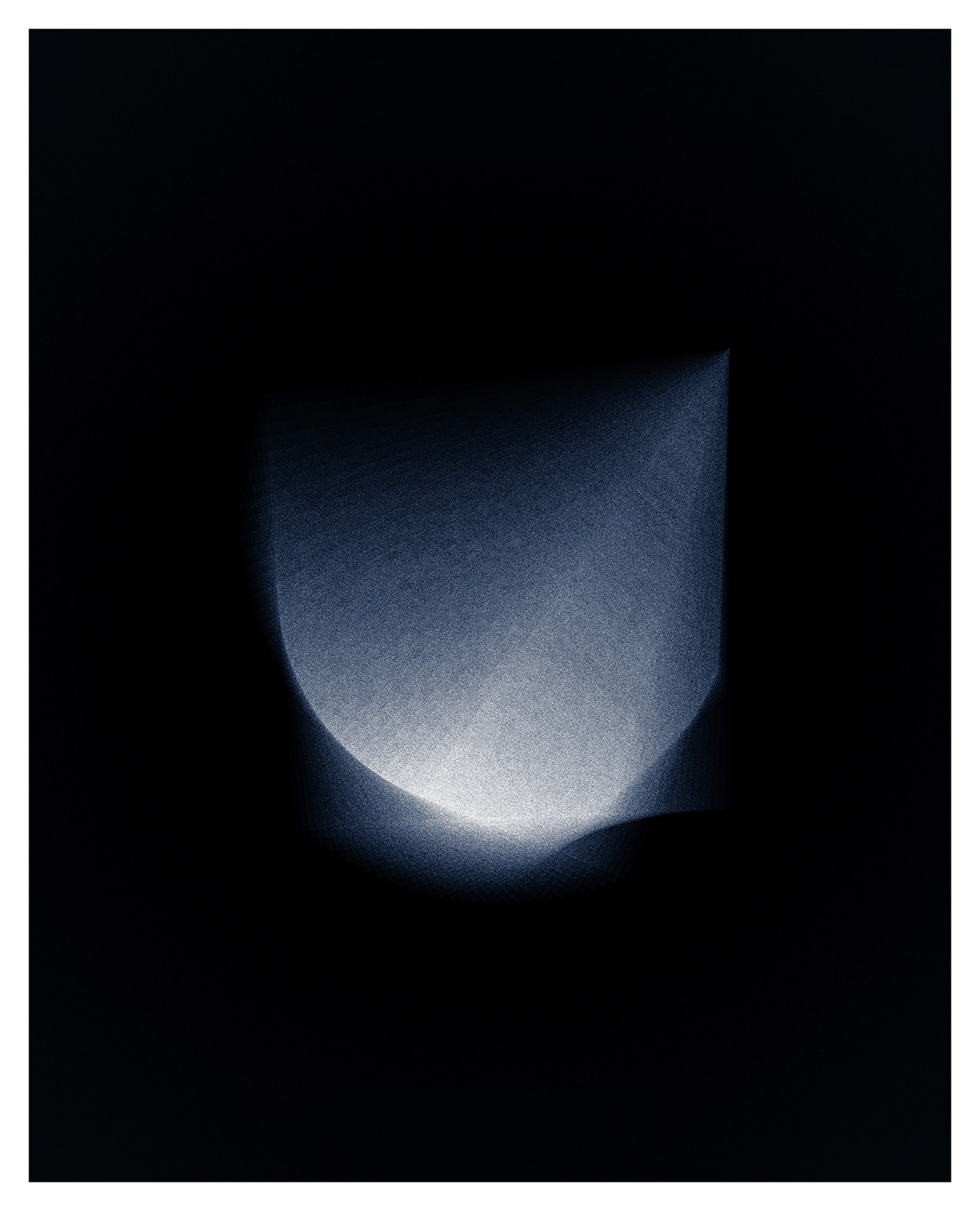
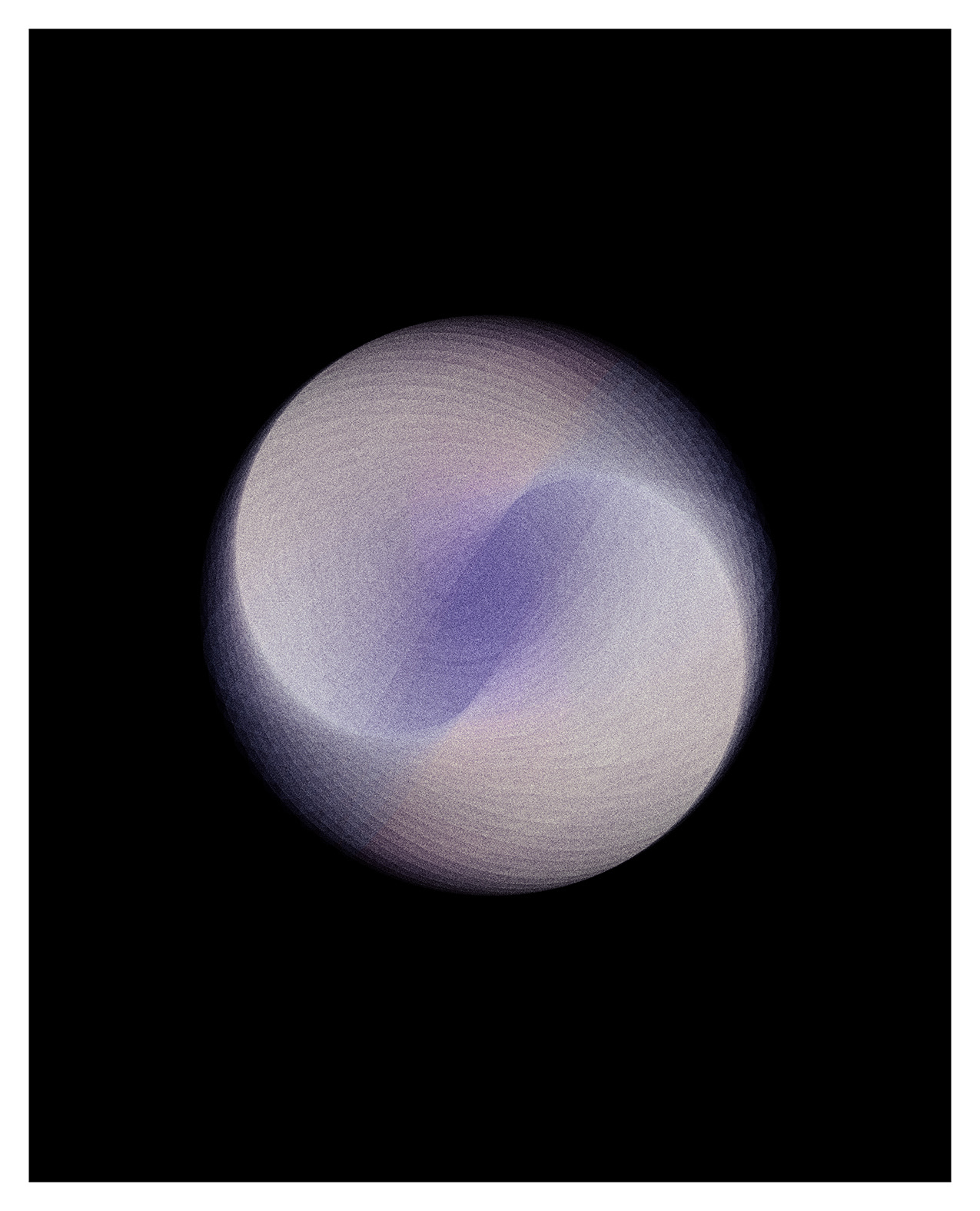
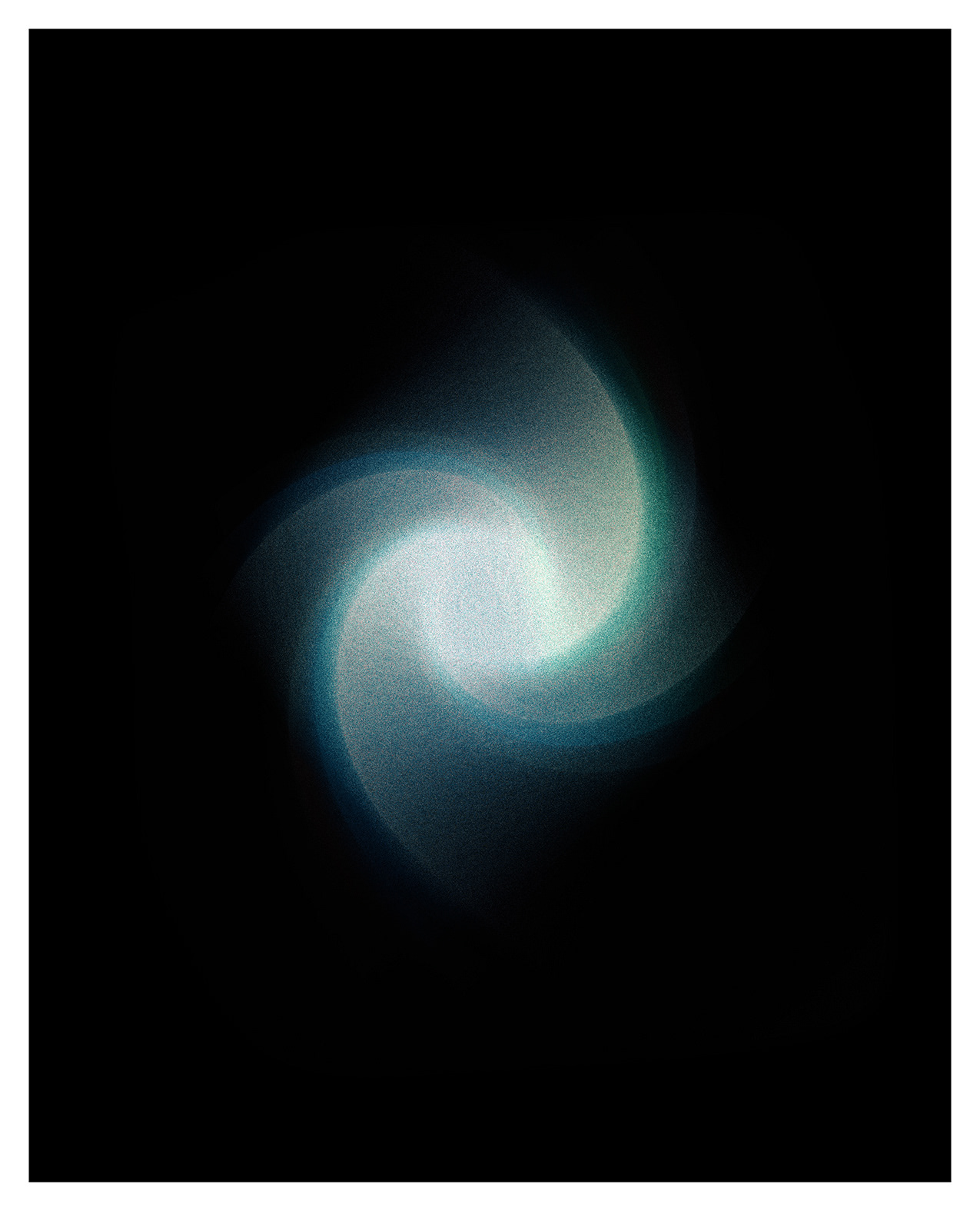
From the 'Thought Form' Series
From left to right: Magic Happens; Blue Giant; Convergence; Cosmic Wind, and Origins. Five forms at the edge of resolution. Not arriving. Not dissolving. Held in the moment before the question closes, which is, as the essay has argued, where the most important thinking happens.
────
Other People's Work 
It is difficult to write about and find works that speak to the boundary of an awareness we can not name. This is what I have come up with so far...
Hiroshi Sugimoto, Agnes Martin and Wolfgang Tillmans. The three were chosen not to illustrate the argument, but because their practices enact the quality of attention the essay asks for: the willingness to remain at a threshold without forcing resolution...


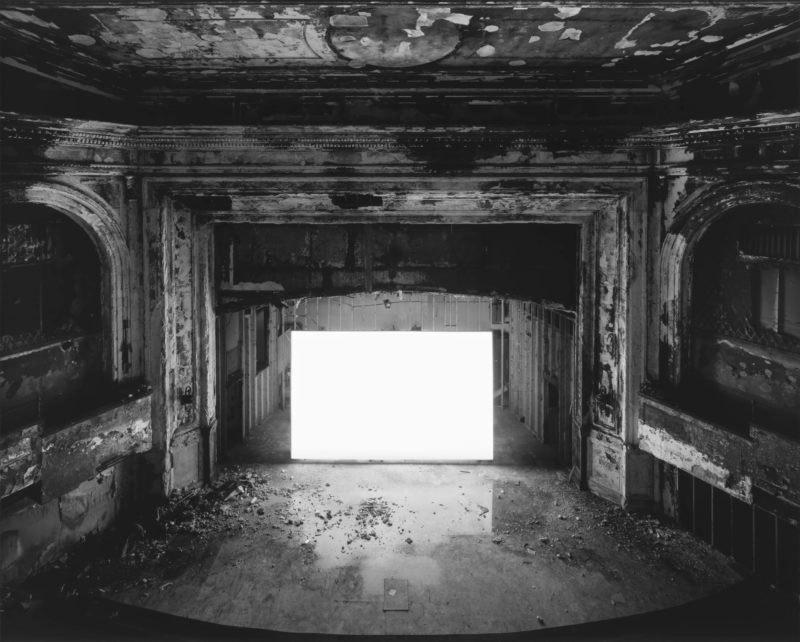
Abandoned Theatres... Franklin Park Theater, Rashomon, 1950, (2015) by Hiroshi Sugimoto

“People misunderstand that the end is not coming. It has already begun.”
– Hiroshi Sugimoto 

Hiroshi Sugimoto's long-exposure cinema photographs, where the entire duration of a film collapses into a single glowing rectangle of white light, are about exactly what the essay argues: when you average everything, you get a kind of erasure that presents itself as illumination. His seascape series does something related... the horizon line that every culture, every century, every cosmology has looked at and interpreted differently, rendered with such patience and precision that it stops being a view and becomes the condition of seeing itself. Sugimoto does not photograph what is visible. He photographs what makes visibility possible, and what that costs.


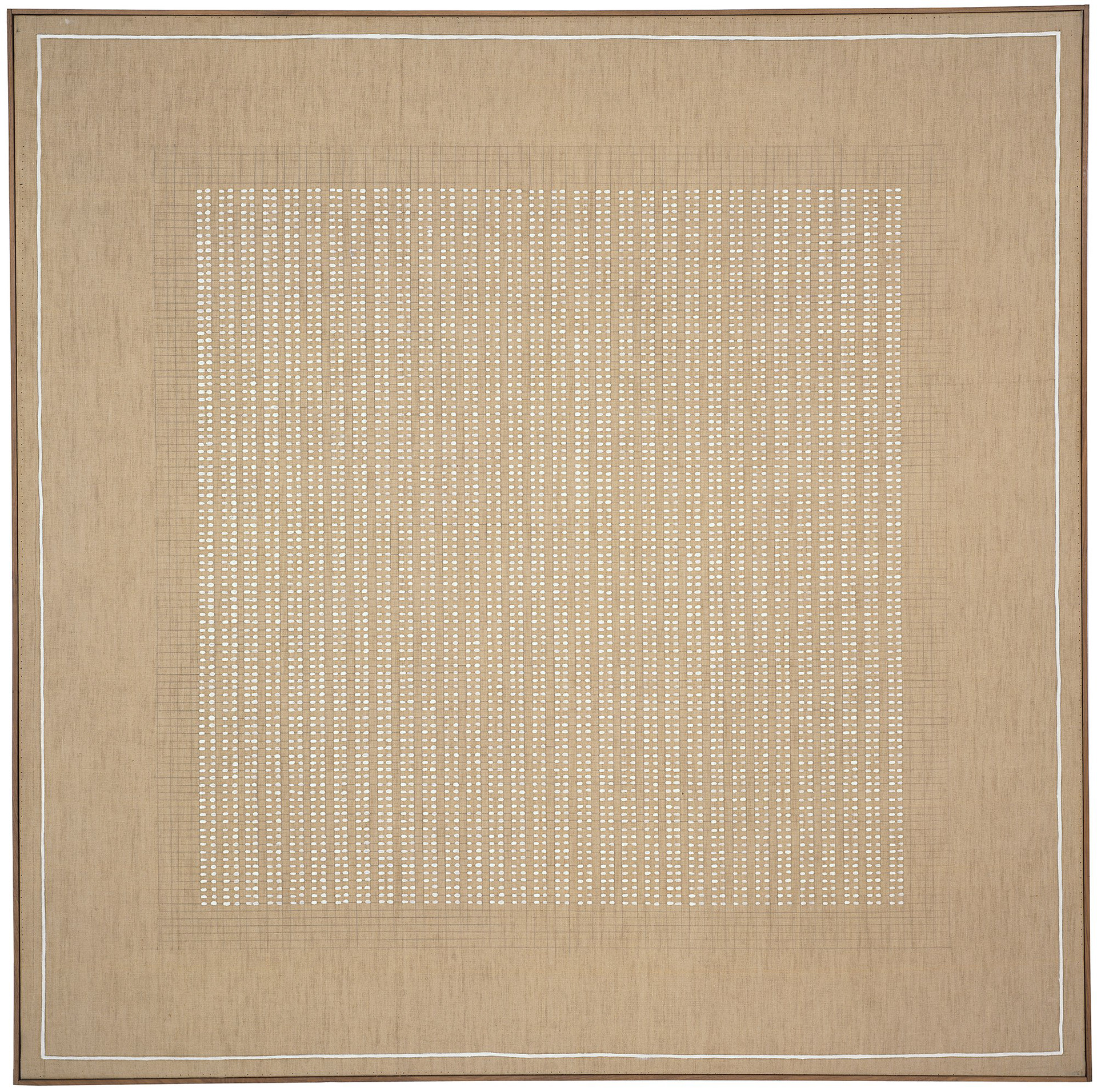
The Islands, oil and graphite on canvas, 72" x 72", (1961) by Agnes Martin
Art is the concrete representation of our most subtle feelings.
– Agnes Martin 

Agnes Martin (1912–2004) made grids. For decades, with absolute commitment and without irony, she ruled lines across canvas and paper.  Horizontal bands, faint pencil grids, washes of colour so pale they seem to arrive from somewhere behind the surface rather than on it. The work does not announce itself. It requires the viewer to slow down to its pace, which is slower than most viewers are accustomed to moving, and in that slowing, something happens that is difficult to describe without sounding mystical, which Martin herself would have resisted. The constraint is total. The freedom it produces is genuine. The grid is not a prison. It is a grammar. What Martin makes within it is untranslatable into any other form

Freischwimmer 144, (2009) by Wolfgang Tillmans
I believe that beauty can be found in the most unexpected places.
– Wolfgang Tillmans
Wolfgang Tillmans’ Freischwimmer (free swimmer) alludes to liberation and fluidity; the series is an abstract exploration of light and form, created without a camera. Tillmans makes them by manipulating photographic paper directly, crafting ethereal, flowing images that appear both organic and otherworldly. From a Hegelian perspective, these works challenge the very concept of photographic representation and embody the dialectical relationship between nature and spirit. 
His practice across all its registers is about what photography can hold that other frameworks cannot, including desire, the body, and forms of intimacy that the dominant culture has found difficult to receive. As though the question of what deserves to be looked at has been permanently suspended and replaced by the simpler, harder question of how. His is a continuous attention that refuses the available categories. Which is, in the most precise sense, what this essay argues for.
────
Together, these three practices hold the essay's argument at different scales and in different materials. Sugimoto works at the scale of duration and cultural transmission and what a medium carries and what it loses. Martin works at the scale of the individual practice and what a constraint makes possible when it is inhabited honestly and long enough. Tillmans works operate at the scale of the social and the intimate simultaneously, and what a refusal to rank makes visible when it is sustained across an entire body of work...

────

What We Built... My Latest Body of Work
What the built environment tells us about how we live, touch, remember, and endure... 

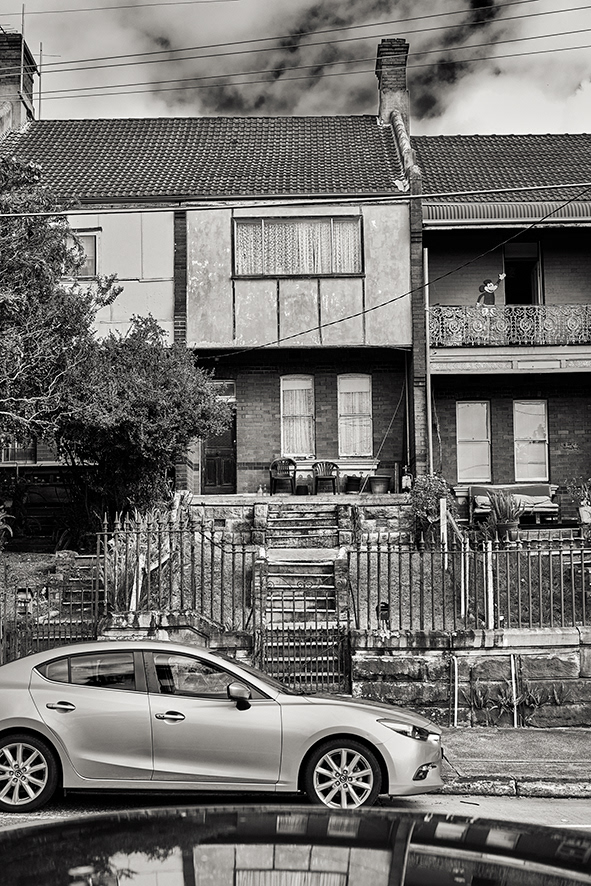
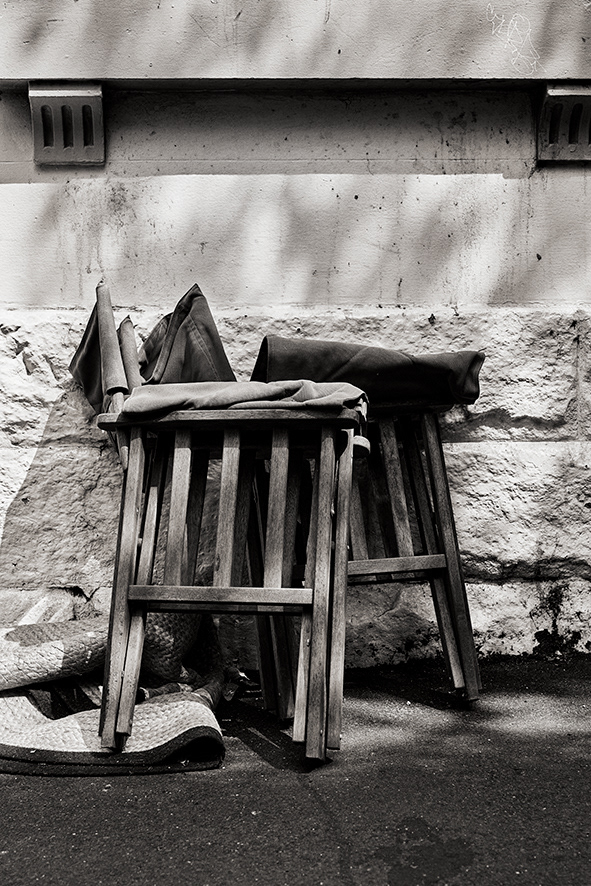
 Below are some images that didn't make the cut for the main series but are from the edge. They observe the same quiet systems of repetition, adaptation, and habitation, but with less restraint. 
It is also a series that arose out of images I had been collecting for years. It was only when writing this essay that they came together. I realised that Australians had a particularly utilitarian view of how architecture should be, which was a product of our history and quite different to that of the rest of the world. These buildings were not made to astonish. They were made to hold. The series is a post-war study of Australian vernacular architecture and the quiet ways private life persists within it...
Thresholds, Restraint and Ordinary Hope...
"The Australian house was not designed. It happened." - Robin Boyd (1960) from The Australian Ugliness 

Navigating My Artistic Site... 
My website has had an overhaul. Some conversations are written and need to be posted, some series are still unfinished, but all in all, it's better than it was, which is fantastic!
The site is a place to chill, reflect, and slow down, and it's a lot like a tree. It has many branches, and those branches branch out as well. So treat it like you are climbing a tree. You know you have reached as far as you can go when you get to the leaves, or in this case, a bunch of images...
But most of all, take your time, wander and enjoy, Stephen


────
 The Colour With No Name
A Fable

There was once a child who could see a colour that had no name.
This was not, in itself, unusual. The world contains more colours than any language names, and children see most of them before they learn which ones matter. But this particular colour, the one the child saw in the sky in the hour before the light fully arrived. When the darkness was still present but the day had begun to suggest itself. This one stayed with her longer than the others. It was not black. It was not blue. It was not the grey that adults pointed to when they looked at the same sky and reached for a word. It was something that existed in the threshold between those things, with a quality she could not describe except to say that it felt like a question the sky was asking, and had always been asking, and would ask again tomorrow.
She tried, at various times, to tell people about it.
Her mother looked at the sky and said, "That's the dark before the light comes."
Her teacher looked at the sky and said: "That's a kind of grey-blue, quite lovely, isn't it?"
Her grandmother, who was very old and had grown up elsewhere, paused longer than the others before speaking. Then she said: "Yes, which was not a colour name but felt closer to what the child meant than anything else she had been offered."
The child grew. She learned the names of colours with the thoroughness that school required. She learned the spectrum. Red, orange, yellow, green, blue, indigo and violet. And the words that extended the spectrum in practical directions: crimson, ochre, chartreuse, cobalt, mauve. She was good at this. She had, as it turned out, a fine sensitivity to colour; people noticed it, and she eventually made work that involved colour in ways others found precise and resonant.
But she stopped talking about the threshold colour. Not because she had forgotten it. Because she had learned, without anyone telling her directly, that a colour without a name was a colour you had perceived incorrectly... That the correct perception would resolve it into one of the available categories, and that the failure to resolve it was a failure of attention or vocabulary, to be corrected rather than preserved.
She accepted this, the way one accepts that a note slightly off the equal-tempered pitch is a note played out of tune rather than a note played in a different system.
Years later, she was given a book of colour terms from languages she did not speak. She read it with the focused attention she gave things that mattered. 
She found, in a language spoken by a small community on the other side of the world, a word for the colour of the sky in the hour before the light fully arrives. The entry was three lines long. It described the colour as a threshold state. Not dark, not light, but the moment of the sky's question. It noted that the word was used also for certain emotional states: the condition of not yet knowing something that is already on its way, the feeling of being between one thing and the next.
She sat with the book for a long time. 
What she felt was not quite recognition, though it resembled it. It was more like being handed evidence that something she had quietly doubted was, in fact, right. And that the reality of her own perception had, in fact, been real all along. That someone, somewhere, had looked at the same threshold and found it worth naming. That the colour existed, had always existed, in the sky and in the person looking at it, waiting only for the word that would confirm its right to be seen.
She had spent thirty years not quite trusting what she saw. 
The word had been there the whole time. 
This is not a story about a lost word being recovered. The word was never hers. She had not known the language, had no claim to the community that had made it. The word's existence did not restore what the absence of a word had cost her.
What it restored was something more precise and more fragile: the knowledge that the cost had been real. That which she had been taught to call a failure of perception had been, in fact, a failure of the framework available to her. That the sky had been asking its question every morning of her life, and she had been receiving it, and the silence where the answer should have been was not her silence. It was the language's silence.
She went outside the following morning before the light arrived. 
The threshold colour was there, as it had always been. 
She did not have a word for it in any language she spoke. 
But she looked at it for longer than she had in years. Not trying to name it, not reaching for the closest available category, not resolving it into the familiar. Simply receiving it, in its specificity, as the thing it actually was.
The sky asked its question. 
She stayed long enough to feel that she had, in some way she could not have articulated, answered...

────

From the 'Watercolour Sounds' Series...

Four works made from sound. The visual residue of something heard. The source is gone. What remains is what the material held of it: colour, pressure, the direction the energy was moving when it stopped.

────

That's a wrap from me for now. There will be a notification of one or two 'Echoes' and the next edition of the THE QUARTERLY CONVERSATION delivered to your inbox if you choose to join the conversation... 
Nothing major. Links to other artists, reflections on this conversation, and possible offerings to readers...


THE QUARTERLY
[  CONVERSATION  ]

Back to Top